6/07/2008

Isis Oceanic


Tracklist:
1. Beginning and the End
2. Other
3. False Light
4. Carry
5. Maritime
6. Weight
7. From Sinking
8. Hym

Download - All Tracks <<< Click Here

Few genres concentrate more on dynamics than post metal and this record is no exception. Both the heavy, intense parts and the softer, droning parts are usually excellently put together. All of the elements more often than not work so well together that one can easily forget that this is music and subconsciously accept that it’s some form of audible fog that slowly creeps into the room. This is atmospheric music in the truest sense of the word; once you start listening it’s best not to stop until you’ve listened to the record in its duration in order to get the full experience.

Oceanic is a proper description for how the album makes one feel: being submerged underwater. Whether it’s pounding with carefully paced heaviness or pouring on beautiful ambience, the album always pulls you into its incredible atmosphere. There are rarely vocals during the soft parts, perhaps to help the ambience take center stage. When the heaviness, complete with chug fests returns, the almost always yelled vocals come with it. While they aren’t pretty and can be hard to digest the first few listens, eventually it becomes obvious that really no other kind of vocals would fit better with this. I grew to love the vocals rather easily.

It’s easy to get the wrong impression here; even though there are many long ambient slow parts, it’s hardly ever boring. If it ever comes close to being boring, the intensity comes back in to save it. The heavy parts are usually just chugging guitars, the drums playing with more intensity and yelling vocals coming in. It can become a bit monotonous, but I’d like to think that’s somewhat intentional as the point of the album and a lot of music like this in general is to put you in a trance-like state. There is a distinct pace a good chunk of the heavy parts have, and they usually mirror that of the slow part they followed. In other words, sometimes a song has the same rhythm throughout each extreme end of the music.

Other times an entire song is calming, such as Maritime. The amount of time that’s taken to set you up for the next heavy part varies, and how hard the intensity hits you depends on how long you’ve been at the mercy of the coma-inducing calm parts. That sounds like it’s a bad thing, but honestly I’ve never heard a record that does a better job with dynamics other than perhaps the music of Godspeed You! Black Emperor. The difference here, of course, is that the loud parts when the band is going all out are blasts of metal.

Even though the dynamics are executed so well, that’s all you’re going to get with Oceanic. It’s a repetitive formula that could make one label Isis a one-trick pony. If you’re going to be a one-trick pony, you better be good at what you do. Can someone say Opeth? I don’t even need to get into how you can still be a good band even if the majority of your songs sound similar. This is a very stong release nonetheless.

And with that, Isis leave us with a (repetitive) masterpiece. If you’re looking for good background music, sleeping music, or even just something to get completely lost in, this album is for you. There’s no jaw-dropping musicianship, no solos, no amazing drum fills. Just purely atmospheric music that disguises itself as audible madness. There is also a very deep rediscovery quality about the album; there are many elements contributing to the soundscape of this monster that are sometimes so well hidden that you just may need to take several dives into this ocean to get the full experience.

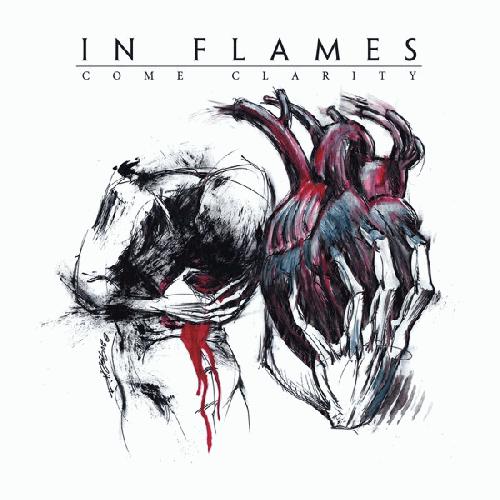
In Flames Come Clarity


Tracklist:
1. Take This Life
2. Leeches
3. Reflect the Storm
4. Dead End
5. Scream
6. Come Clarity
7. Vacuum
8. Pacing Death's Trail
9. Crawl Through Knives
10. Versus Terminus
11. Our Infinite Struggle
12. Vanishing Light
13. Your Bedtime Story is Scaring Everyone

Release Date: 2006

Download - All Tracks <<< Click Here

Have you ever had a really good friend that you admired a lot, one that you spent a lot of time with? Did you think this individual was not only a genuinely good person, but a smart, unique individual with the ability to do anything he or she chooses? Then suddenly, did your friend change, begin to think and act different, and start to alienate him or herself away from you and become something that they never wanted to be? If you answered yes, (which I'm guessing many people did) you're in the same boat as me. It's sad to see good people turn into douche bags, it's depressing to see a good young mind go to waste as it's brainwashed and warped. In Flames to me is that 29 year old guy that made $250,000 dollars when the Internet craze hit, went on a three year drug induced sex romp, only to end up living in his parents basement with $4.64, two condoms, a half-eaten Big Mac, Gonorrhea, and a lost dream.
I got my first taste for In Flames back in January 2007 at Harpos in Detroit, and actually looking back, it was a pretty big bite, and pretty easy going down. They came on stage, ran through about 15 pretty powerful songs, and they walked off, leaving me with a drenched shirt and a raspy voice. They were great, simply amazing. (Even more amazing was they had two stand-in guitarists that show) I told myself I was going to go out and buy their c.d., and about a week later, I did. And at first, I liked it. But the first alarm that went off for me was the song structure. If you take a look at the first three tracks, you'll notice that the verse is sung with a more raspy, aggressive voice, while the chorus utilizes the slower paced, catchy chorus structure with a clean vocal approach. Following a trend this strictly really made me lose respect for the band from a creative standpoint. Mixing harsh and clean vocals is great when done in a way that is clever and imaginative, but the route In Flames chooses to go on this album is very reminiscent of Killswitch Engage's “The End of Heartache”. Take This Life, Leeches, Reflect the Storm, Vacuum, Versus Terminus, as well as Crawl through Knives all have the raspy verse/cleaner sung chorus(although there are mixed raspy and clean singing in a few of these choruses).
Also lacking in the musical department is the drumming. While Daniel Svensson isn't necessarily a sloppy drummer, he really doesn't do anything that would take attention away from the guitar or vocals. He is predictable, and dull. There is not one moment on this c.d. that is fun to listen to from a drumming standpoint. Peter Iwers flies under the radar and delivers a textbook metal bass performance that takes me back to Jason Newsted on And Justice for All.
As uninspired and narcoleptic(yeah, I just said that) as the bass and drums are, there are however some good guitar melodies to be found. At 44 seconds in Leeches, the music halts, and Stromblad and Gelotte deliver a dual guitar melody that is very catchy and cool sounding, only to be destroyed when the rest of the band re-enters the song, thus kicking the song down a peg. Also Dead End gives good guitar melodies in the intro riff, and verse riff, both harmonized riffing, and although not outstanding by any measure, is pleasant to listen to. The opening riff in Vacuum screams “SLAYER!!” and probably is the most intense section of the album, save possible the beginning of Take This Life However, riffs like the opener in Crawling Through Knives scream “Bullet for My Valentine!” and is so generic and lame I'm pissed off that they even considered putting it on the album.
Vocally, I'm not sure how I stand. I don't like how Anders chooses to arrange his vocals in each song, but there is a lot of emotion in his voice, and I really like some of his passages, mostly the harsher attempts. He also has a unique voice, I can compare him to a lot of other vocalists, but when it comes down to it, the timbre of his voice is just unique, and I commend him for that.
All in all, a pretty mediocre release, from a band that used to be hailed as Death Metal Gods. However, there are a few good tracks. Take This Life, Dead End, and Vacuum are the most fun to listen and sing along to, and the rest of the songs are basically cheap re-creations of these three. Probably a good album if you're new to heavy metal and need an “easy listen”, but a sure pass for any disciplined and well-versed metal connoisseur.

Anthrax State Of Euphoria


Tracklist:
1. Be All, End All
2. Out Of Sight, Out Of mind
3. Make Me Laugh
4. Antisocial
5. Who Cares Wins
6. Now It's Dark
7. Schism
8. Misery Loves Company
9. 13
10. Finale

Download - All Tracks <<< Click Here

I love Anthrax, and whenever someone puts them down, I will do the best I can to defend the band. But as much as I hate to admit it, Anthrax went way downhill, and they went downhill fast. After making a slew of critically acclaimed albums, State of Euphoria was released in 1988. Experimentation is something that I have no problem with, but there is a such thing as too much experimentation.

1988 was an experimental year for metal. Iron Maiden released Seventh Son of a Seventh Son, the band's first and only concept album that was filled synths. Slayer, the fastest band in the world, slowed down the pace drastically on South of Heaven, and Metallica went for a slower, more progressive thrash approach on ...And Justice For All. With State of Euphoria, Anthrax went for a much more lighter sound, almost on the brink of straightforward hard rock. Although Iron Maiden, Slayer, and Metallica were successful with their changes, Anthrax were not so lucky.

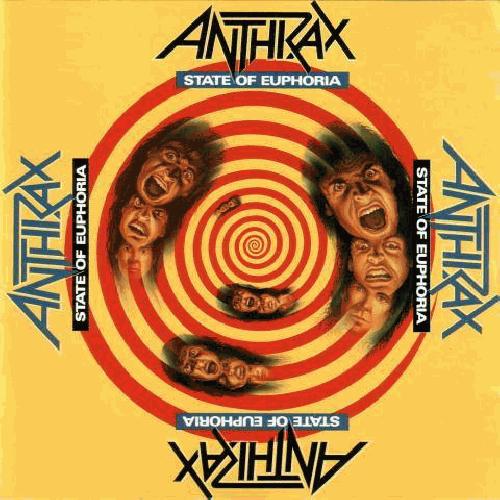
First thing's first: The album cover. It's got bright colors, a happy-sounding album title, and drawings of peoples' faces laughing. Not so metal, huh? Nope. I told myself to never judge a book by its cover, but in this case, I was right. Light cover, light music. This doesn't mean that the music isn't heavy. It's just not thrash. This doesn't mean it's not a decent album.

The guitars, as usual, are something to brag about. Scott Ian and Dan Spitz lay down some solid riffs and some great solos. Antisocial, which is a cover, features some very powerful riffs. The pair is quite good at heavy riffs and solos, but they can also play some lighter, more melodic parts and still sound just fine. The pair's performance is not quite on par with their guitar-playing on Spreading The Disease or Among The Living, but they do an alright job.

The best part about this album may be Joey Belladonna's vocals. When I first heard his falsetto voice, I found it a bit irratating, yet with more and more listens, his voice began to grow on me, and now I think he's an excellent singer. Although on previous albums he did a nifty job on the microphone, but on this album, he really shines. Of all the thrash vocalists, he had the most unique voice, and he could hit some high-*** notes. He's not Bruce Dickinson or Rob Halford, but he's pretty magnificent on some songs. Misery Loves Company and Antisocial feature Joey at his very best. His voice is high-pitched and powerful. It's a nice change from all the rough thrash vocalists like Tom Araya and Steve Souza.

The bad thing about this album is that it's very inconsistent. While there's nothing wrong with the musicianship or the vocals, the songs themselves just aren't that great. None of the songs are neccessarily bad, but they're below average for an Anthrax song. The album is a bit long, or at least it seems that way, because the songs tend to run together and get quite boring. Some songs are nearly identical.

State of Euphoria is not a bad album. It's quite good actually. It is, perhaps, an underrated album. However, it's certainly not overrated. It has a few flaws that bring it down a lot. The album may be worth listening to, but compared to Spreading The Disease and especially Among The Living, it's just a subpar heavy metal album.

The Best of The Best:
Antisocial
Misery Loves Company
Schism

6/06/2008

Torche Meanderthal


Tracklist:
1. Triumph of Venus
2. Grenades
3. Piranha
4. Sandstorm
5. Speed of the Nail
6. Healer
7. Across the Shields
8. Sundown
9. Little Champion
10. Without A Sound
11. Fat Waves
12. Amnesian
13. Meanderthal

Release Date: 04/08/2008

Download - All Tracks <<< Click Here

The way I see it, there are two main genres that can make the perfect soundtrack to a summer's day - pop-punk (especially the ska-tinged side of it) and desert rock. Spending the day in the park, kicking a ball around, drinking, and generally having a laugh with a few mates should naturally be accompanied by the bouncy, cheery sounds of cheery pop-punk, until everyone heads back to the garden of whoever lives nearest town to fire up the barbecue, crack open a few more cans, and lounge around listening to a bit of Kyuss as the sun starts to set. Damn, if only Torche had been around in the early 2000s, it's a fair bet that Meanderthal would never have left my boombox for the entirety of the summer, providing as it does both the mellifluous grooves and laid-back mood of Sky Valley era Kyuss and the catchy, upbeat melodies of 90s pop-punk.

Take first song proper "Grenades" - thick, downtuned riffs bubble up and flow like crude oil, with guitar leads shimmering above them like heat haze off an asphalt road, not to mention a solid rhythmic backbone and the soaring vocal melodies and harmonies topping it all off. Similarly, "Sandstorm" and "Without a Sound" bring the low-end rumbles and relatively slow pace you'd associate with the finest of stoner-rock, again tempering it with some huge melodies. The "Melvins-go-pop" tag that some have given Torche in the past sums up the feel of these songs pretty well.

That said, Meanderthal has enough twists and turns to keep you on your feet throughout, upping the tempo considerably, with tracks like "Speed of the Nail" and personal favourite "Healer" coming on like prime mid-90s EpiFat skatepunk. Conversely, the band slow to a snail's pace, and largely dispense with the pop sensibilities for the (admittedly slightly over-long) "Amnesian." Intro track "Triumph of Venus" features some guitarwork eerily reminiscent of The Fall of Troy, and hell, "Sundown" even comes across at times like a stoned nephew of Jawbreaker's classic "Accident Prone," in terms of instrumentation - an unusual comparison to make between such vastly different bands, but not an uncomplimentary one!

It's this broad range of influences, and the band's willingness to explore every area of their fairly unique sound, which makes Meanderthal such a versatile and enjoyable record. With a slightly less sludgy production job than their previous work (courtesy of Kurt Ballou, who also contributes a few guitar parts) and a heightened songwriting ability, Torche have crafted a record which (aside from the largely pointless title track) is instantly brilliant, and yet still yields rewards with multiple listens. Time to fire up the grill and the stereo, crack open a beer, sit back, and relax to the soundtrack to Summer 2008.

Autumn Leaves As Night Conquers Day


Tracklist:
- The Reign Supreme
- Revolution 21
- Another Day, Another Demon
- Empty Black Stare
- Resigning From Life
- As Night Conquers Day
- Autumn Fever
- The Present Past
- Shadowland
- The Discovery

Download - All Tracks <<< Click Here

Ask most metal fans what their favourite melodic death metal albums are and you’ll get the usual assortment, The Jester Race by In Flames, The Gallery by Dark Tranquillity and Slaughter of the Soul by At The Gates among others. My feelings on these albums vary, indeed, some are worthy of their place among the greats (Dark Tranquillity) while others are vastly overrated (At The Gates, I’m looking at you) but I can guarantee you a less represented album in the melodic death metal scene is As Night Conquers Day, Autumn Leaves’ second, and final release, one that really stacks up well against these already mentioned albums, and in many cases, trumps them. In fact, I would go so far as to say that compared to this, most of the melo-death classics end up looking pretty uninspired and dull.

Well, maybe I’ve been a bit harsh there, but Autumn Leaves are simply that good. Everything from the technical and blazing guitars to the blistering drumming and demonic vocals is executed flawlessly, Autumn Leaves managed to make a pretty convincing scene of utter hell on earth with both the lyrics (Red glowing clouds covers the Eden sky / As the fire dries our tears) and the brutal nature of their sound. While on their initial release, Embraced By Absolute, strayed close to brutal death metal with a melodic touch, this album turns the table somewhat, now placing more emphasis on melody while retaining a brutal and unrelenting core to their music. It is helped too by the stellar production, which gives each instrument just the right amount of clarity while always keeping the forceful and crushing atmosphere.

Taking the band at the technical level, they are phenomenal. In particular, the guitarists are truly worthy of mention. Good guitarists are always pretty much essential in this genre, but Autumn Leaves’ are two of my favourites. Capable of blasting out utterly overwhelming death metal riffs and also epic and emotional melodic leads they are more than impressive, and truly one of the highlights of the album. I haven’t even mentioned the solos yet (small hint: they are utterly breathtaking). What this band does well, is to manage to make their sound technical and accessible at the same time. Despite featuring some unbelievable riffs they still allow you as a listener to breathe, not overwhelming you at any time unlike a lot of modern acts. It also helps that the songs on this album are as tight and well-written as any in the genre.

Before I begin to imply that As Night Conquers Day is a technical jizzfest and egotistical, I will nod to who and what albums I am primarily comparing this to. While bands like Between The Buried and Me will obviously incorporate much more technicality into their music, Autumn Leaves successfully bridges the gap between this kind of band and your typical death metal on this particular aspect. Moments of ‘Shadowland’ and ‘The Discovery’ are wonderfully complicated and intense, but it never seems like the guitars are technical for the sake of technical, instead it intensifies the sound the band have, and gives them yet another edge (as if they needed another) over their peers.

I feel like the vocalists execution in both his lyrics and their delivery is worthy of mention on this album, they are perfectly fitting for the atmosphere the rest of the band creates. The lyrics seem to show a fascination with falling from grace and losing your status so to speak, which is ironic, as to how easily the band’s music topples alot of their most recognised peers. Lines such as ‘And God started killing in despair / His fall from grace with an empty black stare’ and the more poetic and heartfelt 'I’ve lost my wonder to the ruler of the sky / Bloodred tears spilled for an eternity of time’ are very fitting for the music that they play. To equal the grandiose of the rest of the band, the vocalist has to both put emotion and aggression into his delivery; he succeeds on both counts. His vocals are a slightly raspy low pitch scream which can easily transform into a growl at a whim. They suit the aggression which simply pours from the rest of the instruments very well, and his voice is also one of the more unique ones amongst the crowd. While his vocal performance is one-dimensional, like a lot of other great vocalists there is simply no need for anything else other than his growl.

The two tracks that are best show off the bands potential are the two final songs, ‘Shadowland’ and ‘The Discovery’, both incredibly intense tracks for different reasons. The former is a technical and dominating manifestation of everything the band stands for, the vocalist lets some of his most crushing growls out, the riffs are astounding, the drumming is blistering and the overall song is just a roller-coaster ride from start to finish. The Discovery is a less aggressive affair, coming in at nearly eight minutes it is the longest song on the album, it also comes off as a lot more personal, with the lyrics declaring ‘I was created / To walk the soil of the earth / And I will wander / Until the night has swallowed the sun / Then I will enter / A dimension beyond humanity’. With melodies that are out of this world and a truly awe-inspiring atmosphere, it closes the album off in a way that no other song would have, and comes off as a truly inspired bit of song placement.

What makes the As Night Conquers Day such an inspiring listen is the reason why albums like The Jester Race was so popular, everything is done to perfection and it is an absolutely perfect showcase of the genre. Technical, intense, wonderfully written and tastefully melodic, As Night Conquers Day is an essential album in this genre. Melodic death metal has a lot of overlooked gems; this is one of the very best.

Exodus Fabulous Disaster


Tracklist:
1. The Last Art Of Defiance
2. Fabulous Disaster
3. The Toxic Waltz
4. Low Rider
5. Cajun Hell
6. Like Father, Like Son
7. Corruption
8. Verbal Razors
9. Open Season
10. Overdose

Download - All Tracks <<< Click Here

As much as I like serious thrash like Metallica, Slayer, and Testament, I always have time for the more fun and light-hearted thrash groups like Municipal Waste, D.R.I., and my favorite, Exodus. The band is most famous for it's association with Metallica, but there is much more to Exodus than their connection with the former thrash titans.

As I said earlier, Exodus are one of the not-so-serious thrash bands. They don't sing about bad preachers, Satan, or the greenhouse effect. They sing about moshing, killing, and disaster. An evidence of their not-so-poetic lyrics can be found in one of the band's more popular songs, The Toxic Waltz, which is a song about moshing and brutally beating your dance partner. This song features the best aspects of Exodus. The lyrics are hilarious, the guitars are fast, thrashy, and brutal, and Steve's vocals are screechy and evil-sounding. Another one of the more ridiculous tracks is the cover of War's Low Rider, which is a vast improvement over the original. Gary Holt's amazing guitar playing and Steve's nails-on-a-chalkboard vocals make this song incredibly fun to listen to. Verbal Razors is definitely the fastest and thrashiest song on the album, featuring pounding drums, chugga-chugga guitars, and some more brilliant lyrics.

Exodus isn't all about stupidity though. The opening track, The Last Act of Defiance, is a lot more serious than many of the other songs. It's about the injustice of the prison system. Cajun Hell is about, well, a cajun hell. It's about a bunch of evil rednecks. Sounds stupid, but it's pretty cool.

The best things about this album are the guitars and the vocals. Gary Holt is an amazing guitarist, and he's one of the most underrated metal axemen of all-time. His solos are stunning, and his and Rick Hunolt's riffs have a crunchy sound, similar to AC/DC or Pantera but a hell of a lot thrashier. Steve Souza's vocals take time to grow on you, but once they do, you begin to realise how good he is. His voice is sort of like a thrashified version of Bon Scott, except Steve sounds far more wicked. The rhythm section is where Exodus fails. While the pounding drums are perfect for a thrash metal band, the bass is nearly inaudible. I wouldn't say that the band was suffering from ...And Justice For All syndrome, but Rob needed to step it up. This is forgivable however, because Exodus is a thrash metal band, and they aren't known for their amazing bass-playing abilities. Everything else is absolutely stellar.

Overall, Fabulous Disaster is an overlooked masterpiece that every thrasher will simply adore. While most people will tell you that Bonded By Blood is the band's finest outing, I respectfully disagree. Fabulous Disaster is the band's best album. It's got a perfect balance of serious thrash and downright stupid. Also, it features two superb covers, both of which are as good as the original, if not better. Fabulous Disaster is an album that is unsurpassed by many thrash metal groups, as well as the band themselves. If you want fifty minutes of fun, kick-*** thrash metal, then Fabulous Disaster is for you.

The Best of the Best:
The Toxic Waltz
Fabulous Disaster
Verbal Razors
The Last Act of Defiance

5/5

Nahemah The Second Philosophy


Tracklist:
1) Siamese
2) Killing My Architect
3) Nothing
4) Like A Butterfly in a Storm
5) Change
6) Labyrinthine Straight Ways
7) Subterranean Airports
8) Phoenix
9) Today Sunshine Ain't the Same
10) The Speech

Release Date: 01/01/2007

Download - All Tracks <<< Click Here

As a person lucky enough to travel often, I can tell you that I have been to many countries and also that one of the most memorable for me was far and away Spain. There is such a sense of warmth and welcoming to the nation that is rare is so many parts of the world. The art and scenery overflow with color and vibrancy and the people that I spoke to were all very friendly. Come to think of it, I can't even remember seeing one grumpy looking bloke walking down the streets of Barcelona; everyone just seemed happy. Spanish post-death metal band (I know that sounds pretentious, but just go with me here), Nahemah would have you think otherwise. Nahemah consists of six seriously depressed Swedes who were oddly reincarnated as Spanish metal-heads. These guys then decided to forsake any of their mediterranean heritage and instead create an immensely dark and beautiful soundtrack to winter. There are no flamenco guitars, congas, or atrocious Spanish raps to be found on the disk, instead chilly layers of Cult of Luna-esque guitars, haunting synths and electronics, and cold, detached vocals blanket the listener; these guys sound downright Scandinavian!

Despite such a description Nahemah are a fairly difficult band to nail down to any particular genre (hence the ridiculous genre I assigned them), but if I had to compare them to anything I would have to say they remind me an awful lot of the "gray-metal" stylings of that Pacific Northwestern band everyone loves- Agalloch. If you find it somewhat puzzling that I think so highly of a band that sounds like another group which I have very little interest in, allow me to explain. Agalloch, as I stated in a lovely little review I wrote a while back for their last album, Ashes Against the Grain, I find to be an unusual band with some pretty cool and original ideas, that is held back for the reason that they are consistently unable to put any of them together in away that is even remotely interesting. Nahemah, on the other hand, utilizes many of these similar elements, dark brooding atmospheres, nature themes, multiple loud/quiet changes, and powerful wall of sound dynamics, but executes them all infinitely better than their geographically distant peers.

For as much as Nahemah has in common with post-metal and prog sounds they do a great job not getting lost in their own self-indulgeance. While there are some lengthier songs in the six to eight minute range most clock in at around five minutes and waste none of the listener's precious time with virtually no pretentious spoken parts or ten minute passages of delay noodling. The opener, “Siamese”, is a great example of this, in just four minutes it gradually draws the listener in with dreary guitar strumming, warped string parts, and shimmering electronics, before launching in at full force. The music itself is quite beautiful and is very meticulously layered; riffs, strings, synths-you name it. The many different instruments and sounds the group employs at their disposal fall seamlessly into place creating the hopeless feeling of being trapped in the throws of a violent blizzard. Pablo Egido instantly proves himself to be a fantastic vocalist, switching effortlessly between a heart-wrenching Stanne-like rasp and Katatonia-esque cleans. All together the piece is a very impressive and controlled display of the group's many talents.

The following tracks build nicely upon this platform and their numerous influences. One of such, "Nothing," is especially moving with it's dramatic synth swells reminiscent of Dark Tranquillity's slower tracks ala “My Negation” or “Inside the Particle Storm.” "Change" is the first kind of “epic” of the album that succeeds in every way imaginable boasting a gorgeous Sigur Ros-ean intro, creative prog metal riffs, and a beautifully sung chorus. This is also followed up by perhaps the most memorable track of the album, “Labyrinthian Straight Ways,” which opens barely sounding metallic at all with blaring hammond organs and funky drumming, which both prove to be the veritable “calm before the storm” as rest of the piece hits harder and tugs more vigorously on the heart strings than any other tune on the record, before finally dissipating into a lush electronica influenced outro.

These oddities in the beginning of the track point out two very unique aspects of the group, the first of which being their very creative instrumentation. In addition to the aforementioned organs the band also makes use of chimes, saxophone, various woodwind instruments, and even eastern flavored percussion on many of the tracks. While The Second Philosophy may not sound the least bit Mediterranean, it certainly does sound exotic. The other unusual aspect of Nahemah's sound lies in their drummer's playing. He very rarely uses the typical "snare-kick-snare-kick" beats that are fairly common place in most death metal bands, double kick is also rather sparse, and there are absolutely no blast beats. Rather, he relies much more of intricate grooves, tasty snare and cymbal accents, and tight quick fills to drive the band. He really has much more in common with say, a fusion or rock drummer than an extreme metal one. These two facets, really allow the band's sound to breathe; for however much is going on nothing ever sounds bloated or over the top, it all just flows.

Melody plays a really key role in Nahemah's sound throughout the album. In addition to the bevy of instruments and prominent keyboard parts mentioned, clean vocals make noticeable appearances in every track, in fact some songs like “Subterranean Airports,” “Today's Sunshine Ain't the Same,” and the entrancing closing ballad “The Speech” are almost entirely sung. This is hardly an issue though, considering again the brilliant vocals from Egido, but also given how their songs with all their dynamic twists and turns, just wouldn't sound complete without them. While The Second Philosophy is not without its fair share of rock-out parts, this is definitely not a pump-up or head-bang crazy album. For every crushing guitar squall there is an equally moving clean section that unfolds much like the sun surfacing from the gray clouds of a storm.

The Second Philosophy is one hell of an impressive record from a band that by all means shouldn't be even making such music. Leave it to a group of sunny Spaniards to beat all the Scandinavians and Pacific Northwesterners (AGALLOCH! AGALLOCH! AGALLOCH!) at their own dreary game. Fans of everything from Melo-Death to Post-Metal and even Prog-metal will all find something great to enjoy within Nahemah's sound. So with this in mind, what's next world-class German reggae?

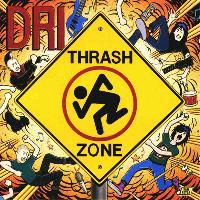
D.R.I. Thrash Zone


Tracklist:
1. Thrashard
2. Beneath The Wheel
3. Enemy Within
4. Strategy
5. Labeled Uncurable
6. You Say I\'m Scum
7. Gun Control
8. Kill The Words
9. Drown You Out
10. The Trade
11. Standing In Line
12. Give A Hoot
13. Worker Bee
14. Abduction

Download - All Tracks <<< Click Here

D.R.I, also known as Dirty Rotten Imbeciles, started off their career as a hardcore punk group, similar to the Circle Jerks and Black Flag. After the group began to listening to groups like Metallica and Slayer, the band changed its style on the 1987 album Crossover, and with this album they coined the name of a new genre called "crossover thrash", which was a cross between hardcore punk and thrash metal. Once D.R.I. did this, many other bands like Suicidal Tendencies and Corrosion of Conformity did this as well. After the release of Crossover, D.R.I. changed their style to an all-thrash sound. The result is 1989's Thrash Zone.

Thrash Zone is an often overlooked album in D.R.I.'s discography. Many only acknowledge the band's first three albums and dismiss everything else as garbage, yet that is far from the truth. Thrash Zone is a very impressive album. One thing you will find out from the very start of the album is that this album is fast. Really fast. The opener, Thrashard, begins with a crushing riff, and then it all starts. Ferocious drumming, speedy guitars, and gruffy vocals are all phrases that can describe Thrashard. The song is about the band going to a gig and the crowd moshing it up. After the first verse, things slow down, and a new riff starts. This is one of the things I like about Dirty Rotten Imbeciles. Many of their songs have a ton of riffs. The song will start off at a million beats per minute, and then out of nowhere, it will slow down drastically, and nearly as soon as it slowed down, it will pick up speed. Thrashard also has some great lyrics, about the effects of moshing. It's fun while you're doing it, and it hurts like hell, but you don't notice the pain until the next day. I always laugh when Kurt Brecht shouts out in his incredibly rough voice that members of the crowd are acting like an "indian from outer space drunk and high on weed.".

One of the things I like about D.R.I. has to Kurt Brecht's voice. On earlier albums, he sounded like a punk version of Tom Araya, but on Thrash Zone, he sounds like Tom Araya. I don't know why I like the man's vocals so much. However, he is different from Tom Araya enough to have a unique voice. Also, Spike Cassidy is a very underrated guitarist, like many other thrash guitarists like Gary Holt from Exodus and the guitarists from Testament. His riffs are so good that he could crush someone's bones with them. Also, his solos are pretty nifty too.

D.R.I. have some of the stupidest lyrics known to man, but I love them. The lyrics are best on songs like the aforementioned Thrashard, You Say I'm Scum, Labelled Uncurable, The Trade, and Abduction. You Say I'm Scum is a song about metalheads and skaters, Labelled Uncurable is about AIDS ("I shouldn't have scored that chick!"), The Trade is about rockstars, and Abduction is about the abduction of children. Many of the songs on Thrash Zone have awful lyrics, but they're so funny that you gotta love 'em.

I'd say the only negative aspects of Thrash Zone is that some of the tracks tend to run together a bit. Fourteen songs is a bit much for a thrash metal album, and some songs like Strategy and Give A Hoot just get too boring to be enjoyable, and because of this and flatout bad lyrics, the songs just aren't worth listening to. Also, while the riffs are pretty sweet, they tend to sound alike sometimes. But the whole genre of thrash sounds alike, so that's forgivable.

D.R.I.'s fifth album Thrash Zone is an impressive album. Although there are way better thrash albums out there, this one's worth picking up if you're a fan of the genre. Listening to dead-serious thrash can get old after awhile, so that's why I resort to bands like Exodus and especially D.R.I. It's obvious that they probably don't take themselves too seriously, and that's one of the best things about the band. Because of stupid (yet brilliant) lyrics, superb guitarwork, and other things, D.R.I.'s Thrash Zone is definitely worth a listen.

Best of the Best:
Thrashard
Abduction
You Say I'm Scum
The Trade
Labelled Uncurable

Disturbed Indestructible


Tracklist:
1. Indestructible
2. Inside the Fire
3. Deceiver
4. The Night
5. Perfect Insanity
6. Haunted
7. Enough
8. The Curse
9. Torn
10. Criminal
11. Divide
12. Facade

Download - All Tracks <<< Click Here

Hmmm... So I should probably start by saying that Disturbed may be one of my favorite mainstream hard rock bands. I first listened to The Sickness about 7 or 8 years ago, not too long after it came out. I was 14 at the time and it was my first introduction to a darker and harder style of music. I fell in love at the 2:20 mark in Voices and have since listened to the album an unknown number iof times, probabl in teh tens of thousands. Just to be clear, in my opinion, this is the perfect example of what mainstream hard rock/metal should be.
The came Believe, watering down the equation on The Sickness, but once again a spectacular album. Shaving away most of the bands previous aggressiveness they showed they could write a melodic rock album and ditch the nu-metal tag stapled to their collective foreheads. Ten Thousand Fists was labeled as a slight return to form, combining the elements of The Sickness and Believe, and the description was mostly right. It somewhat awkwardly mashed the styles of the previous two albums together in what seems near every song. In the end it fell on the Sickness side of the line due to overall feel of the album.

So 3 years later and Indestructible is hyped up. Darker, harder, and faster are the key words promising a true return to form for a band whose fans merely want a Sickness Vol. 2. Leading with Inside the Fire and Perfect Insanity they even managed to make my hard on for this style return and layed the foundations of great hope. Indestructible was the promise of a new Disturbed, finally going where they should have gone after The Sickness. So after months of waiting, does it measure up to The Sickness?

Quite simply put: No.

This is not the second coming of Sickness, it is what Believe should have been when it came out. It is dark, impressively so compared to Believe and TTF, and a return to a harder sound, but the melodies are ripped straight from Believe. The syncopated and staccato harsher vocals make a complete triumphant return in most songs giving them a more aggressive feel, but the mellow sung choruses of TTF have been spiced up and give an agressive feel of their own.
Draiman is definitely playing in a whole nother game from his previous work. Of the four members, he's improved the most, bollocks to the people who claim the soloing is the best improvement. Draiman's voice manages to convey emotion for the first time since their debut, and it's a welcome change. The Night, Facade, and Deceiver all showcase his abilities the best.
The rest of the band sticks with the same formula as on the last albums, rhythmic more than melodic. The solos are a nice touch, but don't really add much to the overall feel of the album save on Inside the Fire and The Night. The drums and bass are stock rock drum and bass lines, and it would be nice to hear a little more variation and talent.

So while closer to The Sickness in terms of execution, I just can't shake the feeling that this is Believe Vol. 2 instead of what it was hyped up as. Overall, it's better than TTF but worse than the first two.

Indestructible - 7/10 - Sickness oriented
Inside the Fire - 9/10 - Ten Thousand Fists
Deceiver - 8/10 - Believe
The Night - 10/10 - Believe
Perfect Insanity - 6/10 - Sickness
Haunted - 6/10 - Believe
Enough - 8/10 - The only real progression in terms of style
The Curse - 7/10 - Sickness
Torn - 4/10 - Believe
Criminal - 7/10 - Ten Thousand Fists
Divide - 9/10 - Sickness
Facade - 9/10 - Believe

Pros:
-Harder and Darker than the last two
-Unmistakably Disturbed

Cons:
-Sounds like a collection of B-Sides with one new song
-Should have been made 6 years ago
-Only Draiman and Donegan have improved
-Lyrics aren't the best

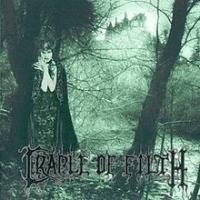
Cradle of Filth Dusk and Her Embrace


Tracklist:
1. Humana Inspired to Nightmare
2. Heaven Torn Asunder
3. Funeral in Carpathia
4. A Gothic Romance (Red Roses for the Devil's Whore)
5. Malice Through the Looking Glass
6. Dusk and Her Embrace
7. The Graveyard by Moonlight
8. Beauty Slept in Sodom
9. Haunted Shores

Download - All Tracks <<< Click Here

If you know anything about black metal or metal in general chances are you've heard of Cradle of Filth. Arguably the most controversial metal band of the last 15 years. If you're a new metal fan, you've probably only heard of Thornography, Nymphetamine, and possibly Damnation and a Day. Well what you probably don't know is that before all of their mainstream success, they released 4 albums that weren't really that well known. Out of those 4 albums, Dusk and Her Embrace is the third and probably the best. While albums like In the Nightside Eclipse or Storm of the Light's Bane may be some peoples definition of symphonic black metal, this album is mine.

The album starts off with an instrumental in true Cradle fashion. It's called Humana Inspired to Nightmare. All it is is Damien playing the keyboards. Nothing special, but it's kind of creepy and will get you ready for what's coming at you next. The first real song is Heaven Torn Asunder. It starts off with what sounds like something burning. Robin's bass comes in and a couple seconds later you hear one of Dani's very high pitched screams. Then he whipers something about the devil in a low voice. Up until about 1:20 the song is really slow, but it picks up at that point with some melodic riffs from Gian and Stuart with some medium speed drumming from Nick. At about 2:20 it comes to an abrupt stop for about two seconds and then the blast beats come in. The song stays pretty fast until about 4:20 in when it comes to a stop again and Sarah talks. It stays that way until there's about a minute left and picks up speed again. It ends on a fast note. The next song, Funeral in Carpathia, starts off with some blast beats by Nick and another Dani banshee shriek. He sings in a low gothic voice after the single scream with the melodic tremelo picking in the background. This song really never lets up and is very fast the whole time. Its full of blast beats, tremelo picking, and banshee screams.

Next up is A Gothic Romance (Red Roses for the Devil's Whore). This is one of my favorite Cradle songs of all time. Its starts off with a symphonic violin playing. This song is very slow almost the whole time. Where the previous two songs were very black metal like, this song shows off the gothic metal side of the band and it is actually almost doom like.. Dani's vocals are a mix of very low pitched gothic vocals and his usual shrieks. Its mostly the gothic vocals though. Very melodic riffs (as usual) play in the background and the bass is very present on this song. Nicks drumming is pretty much a slow steady beat. About 4 minutes in the song picks up and blast beats start coming and Dani's vocals turn more into the screams. It stays extremely fast until 5:40 and Dani screams "red roses for the devil's whore" and it gets slow again. The violin that the song started with also ends the song. Malice Through the Looking Glass is next. It starts almost the same as A Gothic Romance and then picks up with a Dani scream (what else is new). This song isn't too fast or too slow. Its in the middle almost the whole time. Its a pretty good song, but nothing too special.

Next is the title track, Dusk and Her Embrace. It begins with some weird female vocals and a nice drum beat. I think you know what to expect from Dani. A nice melodic riff comes and along with the drums. Dani talks in a gothic voice and Sarah really shows what she can do on this song. At about 1:20 the song picks up and becomes pretty fast with Dani's black metal vocals pretty much dominating this song. This song is probably the fastest on the album. Four minutes in Sarah talks a little bit, but that only lasts a couple seconds and the song goes right back to being really fast. It stays that way until it ends. The next song, A Graveyard by Moonlight, is just another instrumental. Again its Damien doing a little keyboard solo.

Beauty Slept in Sodom comes next. It starts off with some cool keyboard playing by Damien and then a melodic riff. Dani whispers some stuff and it stays like this until about two minutes in. Sarah says a couple things and then the song kind of picks up. Again not too fast, but not too slow. Either the song is fast, slow, or in the middle the whole time. About five minutes in we get a rare guitar solo by Stuart. Very short, but very well played and a nice change. The song slows up at about 5:40, but then picks up with some tremelo picking and blast beats that last until the end of the song. The last song is Haunted Shores. It has a very symphonic beginning just like A Gothic Romance and Malice Through the Looking Glass. Tremelo picking starts and a scream by Dani picks up the pace of this song. This song is pretty fast the whole time, dominated by Nick's blast beats. It never slows up until the end where we get a speech by Cronos from Venom. He takes the album out.

Overall, there's not one bad part on this album. Nothing you will want to skip unless you don't like instrumentals. If you like the symphonic side to black metal, you should definitely check this out. This is definitely the best symphonic black metal album out there, at least in my opinion. If you like gothic metal, you will also enjoy this album. Very highly recommended.

6/05/2008

Scars of Life What We Reflect


Tracklist:
1. Lemon
2. Alone Inside
3. Pools of Fears
4. Mute
5. Lost Years
6. Placebo
7. Away From Me
8. Watch Me Drown
9. Descending
10. Bullet With Your Name
11. Water In My Hands
12. Silent Words

Download - All Tracks <<< Click Here

Scars of Life was an alternative metal band that was active from 1998 to 2007. This is their first full length album, as they had released two EPs and a Demo prior to this album. This was also their last work as they broke up shortly after.

What We Reflect was a very good effort from a band that could have went far, and it makes me wonder what they may have been capable of. The album kicks off with what is probably my least favorite track on the whole CD, Lemon. The song itself isn't bad, I just found that this track was very forgettable compared to the rest of the CD.

Just as Lemon fades out, the quiet opening guitar of Alone Inside comes in and then explodes in a heavy riff with some wicked double bass. Alone inside is one of the heavier and probably best tracks on What We Reflect. The double bass intro and the singing and screaming in the chorus are a standout on this song and the whole album as a whole.

A couple tracks later is Mute. Kyle's angst oriented lyrics give the song a very in-your-face vibe. The main riff is heavy and distorted which just adds to the overall feel of this song. On the other end of the spectrum, Away From Me is one of the softer tracks on the album. This verses are almost whispered and build up to a powerful chorus.

From this point on the CD really shines. Aside from Alone Inside and Mute, all the better tracks are here. As stated before, it's not that the other tracks are bad, they just can't seem to keep up with some of the other songs.

Watch Me Drown opens up with a slick little riff that has some kind of effect on it then kicks hard into the main riff and some softer vocals come in. This song features some really intense screaming. The next track opens up quietly as Kyle whispers "Descending..." and then "...into you!" and the song picks up. Descending is probably one of the more radio rock songs on the album, but still a very nice song.

As Descending ends the same way it kicked off, only with a scream instead of whispers, that's when the most well known song on this album and by Scars of Life overall comes in, Bullet With Your Name. The song has nice, slow build up then explodes into the chorus with song of the darker lyrics on the album "All the times you stuck me here/and put me on my own/I feel the same that's why/I've got a bullet with your name."

As the end of the CD approaches, Water In My Hands still doesn't slow it down. The song is ones of the heavier ones and features some double bass. The song itself seems as though it's about being pushed around. The song ends with Kyle screaming "Slip! Slip! Slip!" and some more double bass.

Finally the last song, Silent Words kicks in. This song is easily the most mellow on the album as it is all acoustic. The lyrics are the focus in this song and are something everyone can relate to.

"These silent words you'll never hear
These frozen thoughts will not appear
And I'm breaking down inside of me
Still no one sees...."

And with that the CD comes to a close. This album is definitely a great debut album and it's a shame it will be their last. Although it won't be for everyone, it should appeal to fans of alternative, metal, nu metal, metalcore and the like. People looking for really deep, complicated musicianship may not find this album appealing, some may call it "generic", and may say some of the songs suffer from sounding similar. However, if you get into this CD and let it grow it could very well become one of your favorite albums.

Standout Tracks
Alone Inside
Bullet With Your Name
Silent Words

Evile Enter The Grave


Tracklist:
01. Enter the Grave
02. Thrasher
03. First Blood
04. Man against Machine
05. Burned Alive
06. Killer from the Deep
07. We who are about to die
08. Schizophrenia
09. Bathe in Blood
10. Armoured Assault


Release Date: 07/08/2007

Download - All Tracks <<< Click Here

I can still remember when I was listening to the radio at 11 o’clock; the time was ticking slowly towards midnight when my ears were mangle by this avalanche of shredding and riffing. I was listening through the whole thing and then the radio guy finally said: ''And that was Evile performing their song called Thrasher''. This was an album that I wanted so badly but with time I forgot to check it out, but now I finally have it. Evile is a thrash metal band from England that has joined the thrash legions of 21st century. Thrash metal is one of those genres that will never rise up from the ashes to conquer the world a second time, but, if done right, thrash metal can still pack a punch. And that’s what Evile does. Evile's type of thrash is very similar to Slayer's type of thrash metal, very intense and highly aggressive, but they also manage to incorporate the catchiness and technical traits from Bay-Area veterans like Testament and Exodus. The result is an incredibly energetic, highly aggressive and forceful thrash assault named Evile.

Enter The Grave was released in 2007 and it is the band's first album. People who are outside the thrash genre will most likely find this album repetitive and outdated, but to thrash metal fanatics this album is pure headbanging enjoyment. I can agree with the fact that thrash metal is more or less outdated but Evile has managed to breathe new life in the genre with this album. All songs here are intense and there is at least some variety after all. There is no point to mention any particular standout tracks because every song has moments that sounds similar to other parts in the songs. Tracks like ''Thrasher'', ''Armoured Assault'' and ''First Blood'' still manages to thrash a bit harder than the rest. The only song or songs that could possibly be considered as lesser tracks would be ''Man Against Machine'' or ''We Who Are About To Die''.

Thrash metal has delivered us many talented musicians but when it comes to lyrics... Of all thrash bands that I have encountered over the years I can't find any band that has made any reasonable lyrics. Like other extreme metal genres thrash bands often focus their lyrics on loads of violence, death and chaos. Some bands like to use harmless lyrics about politics and social issues but that usually removes the cutting edge from thrash. Evile follows the classic trend with violent lyrics but they have also taken influences from various films as well. ''First Blood'' is definitely inspired from the Rambo movies and ''We Who Are About To Die'' just has to come from the Gladiator movie. The rest of the lyrics are just about various ways of dying, like ’’Burned Alive’’ is pretty self-explaining. ’’Killer From The Deep’’ is what you think it is, a shark attack.

Evile doesn't possess any mind-blowing instrumental techniques or abilities, they have a very limited formula of guitar playing and drumming but they know how to use it. The guitars are blazing like machine guns and the drumming could be compared to artillery. All riff lines are dead-accurate, precise, and fast! Sometimes I wonder if Slayer played this fast...and so often on top of that. Like most thrash band, the vocals are not power metal so to say. The ''vocals'' are more or less like hollering, somewhat similar to Tom Araya’s vocal style, but the singer Matt Drake still has a powerful voice that gives the music a bit more strength and attitude. Like the guitars, the drums are pretty damn intense as well. Everything is fast mid-paced pounding or so-called Slayer drumming, nothing mind-blowing or innovative, just good old-fashion thrash drumming. And at last the bass, nothing spectacular here either. The bass remains in the rhythm section to provide the crunchy guitars a good backup sound.

I guess that was all I had to say about this album. I think that Evile is a great retro-thrash band that has the potential of becoming one of the finest thrash bands of the 21st century. Enter The Grave might get a bit stiff with time but you will have to listen to it many times before you get bored by it. The album has aggressiveness, energy, a bad attitude, a flawless sound production and loads of riffs. This album is basically a must-have for all thrash nuts out there, but people who are not into thrash will probably stay away from it. Thank you for taking your time to read this, I hope it was an informative and enjoying reading and if you find any bigger flaws or bugs in this review please let me know so I can fix it.

Positives
+ An album of shredding mayhem
+ Very catchy and aggressive thrash
+ The music feels fresh compared to other retro-thrash albums
+ Flawless sound production
+ Perfect thrash vocals

Negatives
- Can (or will) become a bit stiff and repetitive with time

Recommended Tracks
-- First Blood
-- Armoured Assault
-- Burned Alive

Final rating will be a 4/5

Metallica Metallica


Tracklist:
1. Enter Sandman (5:29)
2. Sad but True (5:24)
3. Holier Than Thou (3:47)
4. The Unforgiven (6:26)
5. Wherever I May Roam (6:42)
6. Don't Tread on Me (3:59)
7. Through the Never (4:01)
8. Nothing Else Matters (6:29)
9. Of Wolf and Man (4:16)
10. The God that Failed (5:05)
11. My Friend of Misery (6:47)
12. The Struggle Within (3:51)

Download - All Tracks <<< Click Here

Metallica- Metallica

Background Info:

Metallica, probably the most famous thrash metal band known to man; so many times has hype surrounded this band, and most of those times (not including their recent releases) they lived up to this hype. The band debuted with their not to famous album Metal Up You’re A**. This album has been long forgotten due to this band’s multiple “masterpieces.” Most of the tracks off this album are actually from their sophomore album, Kill ‘Em All. Their sophomore effort was then followed by Ride the Lightning, which is the album that propelled Metallica into the musical atmosphere. Then they released their most successful and well-known album to date, Master of Puppets, which has multiple tracks, including “Welcome Home(Sanitarium)”, that entered them into the top of the charts in radio rankings.

This is then where Metallica really started to mix things up a little bit; increasing the quality of their studio recordings and making radio-friendly tracks, specifically the song “One.” This album of change was called …And Justice for All, which was nowhere near as successful as their previous release. Then, finally, Metallica hit their all-time high in radio friendliness by releasing Metallica, or The Black Album, which had about five singles on it that hit the radio stations. This was arguably their second most accomplished album ever to hit store shelves, as it appealed to the general public much more than their previous releases. This is probably where most of Metallica’s fans realized that Metallica was changing for the worse (can anyone say St. Anger?), but that’s not to say The Black Album isn’t a worthwhile listen, as it does actually have some pretty interesting elements about its composition.

The Review:

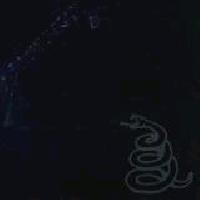
Ah…… The Black Album, who hasn’t heard of this album? It has a pure black cover with a tiny snake in the bottom right corner. Unless you are sheltered, you probably have at least heard one of the five singles off of this album, because they play these songs at least once a day on almost every rock or metal radio station in the United States. To start off: this album has some of the best production quality I have ever heard out of a metal album. Everything is just so crisp and clean; every little noise that is made can easily be heard through any speaker (especially the bass and snare drums). The hums and rhythms of the bass guitar are even easy to pick up, which is rare in most metal album these days.

This album is a mix of softer, more depressing songs (like “My Friend of Misery”), and heavier tracks with addicting choruses (like “Sad But True”). This makes for a nice variation throughout the album that helps to keep you listening the whole way through. It also shows that the band members were keeping in mind how and what order to present the songs in, and the overall composition of the album is just well done.

Now one thing that really had me impressed after listening to the whole album was the fact that no song has the same “setup” (for lack of better term). Every single song on the album has a varied composition; the bridge is never in the same place, the chorus is placed at different points in the songs, and each song has varied lengths. All this adds up to help make the album very varied and experimental.

One thing that has very noticeably improved in the past few years for Metallica is the vocals. James Hetfield learned to hit those all to important high notes in Master of Puppets, which he then took further in The Black Album, creating songs where he majestically sings the whole way through. Since he has never really done this before, it’s almost revolutionary for the band’s direction for the future (which isn’t so bright, sadly). Two notable songs of vocal excellence are “The Unforgiven” and of course, ‘Nothing Else Matters.” Both of these tracks display very talented clean vocals from Hetfield the whole way through, making for something different from Metallica.

Now one major disappointment to me, being a long time Metallica fan, is the drums. No longer will you hear the awesome blast beats like the one from then end of “Welcome Home (Sanitarium).” Now all you hear the whole album through is a constant supply of slowly alternating patterns between heavy bass and loud snare drums. While this is nice in the softer affairs, it disappoints in the heavier songs, which should be filled with a constant supply of double bass and complex snare drums (considering Metallica has done much better). This is one thing on the album that detracts from its overall experience.

The guitars, however, are actually just as good as the old days. While the slower ballads have slow and mind-sticking melodies, it’s still impressive due to the fact that subtle changes are applied to the overall rhythm of the songs. The heavier songs on the other hand use addictive riffs that will have you humming in your sleep. The guitar solos are as impressive as ever! Although no guitar solo could ever compare to that of the instrumental piece “Orion,” they still have great technical guitar solos that are worth listening to. Hammett has definitely improved his handle on the electric guitar, performing complex, but not necessarily fast, guitar solos.

Another thing that could be noted is the fact that Newsted now creates atmosphere with his groovy and rhythmic bass lines. As stated before you can actually hear the bass guitar this time around, and I’m sure glad you can, because the rhythms of the bass can sometimes cause you to rock back and forth (if in the correct location) in attempt to “groove” with the rhythms.

Overall this album is a very good album, and it just has so many good songs that it is a must for any Metallica fan. Although I’m sure everyone who reads this review probably owns this album, but there are sheltered folks out there who do not.

The Pros and Cons:

Pros- Good guitars, improved vocals, varied and great compositional songs throughout.

Cons- Drums aren’t as good as their old stuff, sometimes to radio friendly.

Top Five Songs:

1. “My Friend of Misery”
2. “The Unforgiven”
3. “Nothing Else Matters”
4. “Sad But True”
5. “Of Wolf and Man”

Kroda Fimbulvinter


Tracklist:
01 The Beginning of Winter Night of Oskorei
02 Glacial Riders of Fimbulvinter
03 Where Brave Warriors Shalt Meet Again
04 Funeral of the Sun
05 A Stormride

Release Date: 01/29/2007

Download - All Tracks <<< Click Here

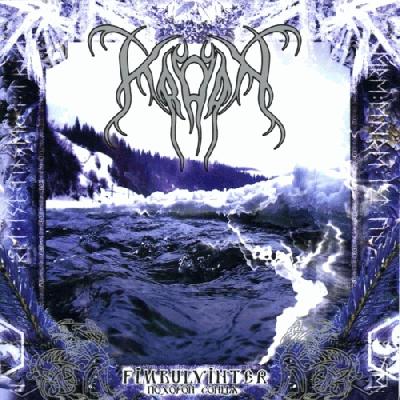
It is interesting to me to witness such a diverse black metal revival occurring in many different countries. Specifically the Slovak region has seen a huge emergence of quality black metal bands climb out of the ashes in the past 10 years plus. There have been plenty of amazing bands to come out and release something spectacular to the metal world. Russia has Storming Darkness, Tomnozor, and Druzhina. Poland has Graveland, Behemoth, and Besatt. And Romania has Negura Bunget but to me the most exciting country has been Ukraine. They’re known for producing such respected, as well as some of my favorite, black metal groups in Nokturnal Mortum and Drudkh. Ukraine has found another young group with the intent to rival their predecessors. Kroda is a pagan black metal unit hailing from Ukraine. Just forming in 2003, Kroda have already released two split CD’s and four full length albums. Like the others, Kroda are no strangers to National Socialism although Drudkh claim to take part in another German movement called “The Conservative Revolutionaries“. Nonetheless, I’m glad I can get past the political spectrum of the band and appreciate the music for what it is.

Drudkh, Nokturnal Mortum, and Kroda all share a few things in common. All three like to incorporate Ukranian mythology and traditional folk melodies into an organic black metal base with a premise of hatred directed towards Christian light. This is where the comparisons will end because all three groups possess a unique and distinct sound from each other although sharing the same blood and tradition. “Fimbulvinter” is the duo’s forth and latest full length offering. The band shares similar traits with their Norwegian brethren yet leaning towards more to melodic black metal than the low fi Darkthrone approach. Plenty of tremolo picking, tortured vocals, and fast tempos to be found on the disk. Coming in at 5 tracks at a 55 minute span, each song boasts an average length of 11 minutes. Plenty of time for the band to add dynamic shifts and diverse arrangements between each segments. One thing I love about the album are the instrumental sections that Kroda implement in each track. They sound fresh and exciting, especially when the flute makes an appearance. Not often or over abused, the flute adds a nice feel to the music when present. The guitar melodies are sublime as well, keeping the album varied and interesting enough to keep this from becoming a back of the shelf item.

The band itself is split between two people. Eisenslav is responsible for the vocals, bass, and percussion. Viterzgir plays the guitar and keyboards as well as providing backing vocals. He also brings in a native woodwind instrument called the Sopilka that plays a decent role in the more folkish sections of the album. Eisenslav’s harsh vocals revolve around deep raspy growls and crazed shouting for the most part. His voice reeks of desperation and frenzy as his tone gets progressively louder and more violent. I can’t comment on the lyrical content as it’s all written and performed in the Ukranian language. However, I’ve read that it’s based on a Norwegian concept of a three year long winter. I think the album art does a great job in explaining the plot of the album. The bass is surprisingly present for more than a few sections. I hear quite a few catchy bass lines fall upon my ears from time to time. Also responsible for the drumming, Eisenslav doesn’t really do anything outstanding other than a few cool tribal beats but plays his part pretty well. Crashing cymbals and thundering double bass help keep the speed of the album going. Now, Viterzgir shows why he is the man on his album. His guitar work is typically fast and heavy but he’s not afraid to slow down and throw a little groove or melody for when it counts. There is plenty to be excited about and add in tasteful soloing and you have a solid guitar performance. As for the keyboards, they are sparingly used and help add ambiance to the atmosphere of the music.

When it comes to black metal production isn’t really a factor for me. Whether it’s Wolves In The Throne Room and their clean organic tone or Darkthrone with their grim, low fi approach, production tends to differ among black metal bands. Here the production is pretty low and fitting for the band‘s music. Fimbulvinter is an excellent black metal release filled with great song writing skills and musicianship to appeal to those who like their metal black or folk. 5 solid tracks and a lack of filler sounds like a win to me. This is an album that I strongly urge metal fans to check out. 92/100

Tvangeste FireStorm


Tracklist:
1. Introduction
2. Raven (Under The Raven's Black Wings)
3. Birth Of The Hero
4. Fire In Our Hearts
5. Perkuno's Flame
6. Godless Freedom
7. Storm
8. Tears (Tears willwash Off The Blood From My Sword)

Download - All Tracks <<< Click Here

I defy you to classify Tvangeste. These manic metallers from Mother Russia manage to combine the most nuanced of sub genres into one of the most diverse and dynamic releases of 2002. On the surface, the band seems to be yet another symphonic black metal outfit, what with the hefty amount of orchestration and the dark tone of the music. However, this band will keep any listener guessing with the interludes of intricate and beautiful melody and the aggressive rhythms one could hear from a Viking metal release. All preconceived notions can be promptly catapulted out of the nearest window when one comes across the piano-flute duet in “Fire In Our Hearts.” Yes, this variety of styles is what makes [/]Firestorm[/] such an interesting listen. It’s true that by the end of the second track, “Raven (Under the Black Raven’s Wings),” the band will have brought about every aspect of their game to the table. This isn’t really a problem though, because the band moves so swiftly from sound to sound that the following tracks allow the band to expound on the musical ideas introduced in the album’s opening tracks, making each song seem fresh.

Two long years after posting an article in his local newspaper, Miron, Tvangeste’s founder, finally had the lineup about which he had dreamed. The fledgling band quickly cranked out a demo that was received warmly (or as warmly as can be) in Russia and surrounding countries. The hastily compiled demo eventually made its way into the hands of a fat cat member of Apostrophe Records (the official Russian representative of Century Media). Liking what he heard, the director signed Tvangeste and the demo was redistributed around the world. Astute fans of symphonic metal latched onto this release speedily, and the demo left the underground positively buzzing. Due to the encouraging reception of the demo, the band reunited to write and record their next work, [/]Domination of Reglomontum[/]. The finished product appeared on the scene in 2000 and earned the band accolades from every which way, including North and South America, Europe, and Asia. With the success of their first full length under their belt, Miron decided to take the band’s next release to another level, adding his wife, Naturelle, to the lineup to play keyboards. The composition process of [/]Firestorm[/] was a grueling one, lasting several months, but the outcome is definitely one worth listening to. Well, at this point, I’m guessing you’d probably like it if I would shut up and actually talk about the music. Word.

This release is truly a unique one. The chugging performances of the rhythm section lay a solid foundation for the melodies, both beautiful and sinister, to come and go seamlessly. The guitars spend most of the time lurking in the shadows, supporting the great orchestration, vocal, and keyboard performances. But don’t get me wrong; the guitars aren’t uninteresting in the slightest. Their driving rhythms outfit the music with a compelling dynamic and evil atmosphere. They occasionally do take the spotlight, however, producing beautiful melodies and riffs that add an interesting shade of color to the band’s black metal sound. The bass, when audible, makes a similarly important contribution, subtly interacting with the elaborate orchestration, the result being a pretty engaging musical dialogue. The drums (also performed by Miron) seal the deal, and, in spite of some rhythmic discrepancies, add the finishing touch to the aggression and atmosphere created by the rhythm section.

The main event of this release is not these instruments; it is instead the elaborate orchestration and vocal performances. For this album, Tvangeste enlisted both the Prussian Chamber Choir and the Battle Symphony Orchestra (that name alone is enough to make any metal head giddy) to help make this album. In the end, these two additions prove to be the band’s most valuable assets. Let’s talk a bit about the orchestration which was composed primarily by Naturelle and Kaya (first violin of the orchestra). Put simply, it’s ravishing. Both women demonstrate their undeniable musical competency. The orchestra successfully accomplishes several things. It accentuates the music’s rhythms (at the beginning of “Birth of the Hero” for instance), making them all the more powerful when they would otherwise seem lacking. This stringed sensation also imbues the music with a sense of suspense and tension at times, producing shrill chords and melodies that compliment the music’s ominous qualities perfectly. The orchestration is perhaps best utilized in “Pekuno’s Flame,” whose soaring melodies bring the song to life and present possibly the most affecting moment of the album: a lone violinist bowing beautifully dissonant notes coupled with the haunting echoes of thunder in the distance. Pretty awesome. Lastly, the orchestration always seems necessary and fitting, unlike in other bands such as Dimmu Borgir where the orchestra sometimes comes off as more of an extraneous novelty item. Naturelle’s keyboard performance is also quite good, sometimes similar to Cradle of Filth’s gothic ghost tones. She also comes up with classically influenced leads that have a certain levity that contrasts the music’s gloomy mood. The operatic voices of the Prussian Chamber Choir throw an element of majesty and melodrama into the mix, making this album all the more intriguing. The vocal deliveries are astounding and intensify the melody with and without the guitars’ backup. They truly complete the Tvangeste package.

So what’s wrong with the album? The mixing is kind of awkward, particularly concerning the guitars. When the orchestra isn’t going to town, and the band is left to carry its own weight, it sounds more like just vocals and flurries of double bass rather than a group playing together. The vocals themselves are also a possible downside. These raspy vocals sound as though Miron might be missing a fair portion of his larynx, and they could definitely put off some listeners. Vocals and mixing aside, the album is free from any other major faults.

Whew! Hope I didn’t put you guys to sleep with that lengthy review. That was really just my wordy way of saying check these guys out, you won’t regret it.

6/04/2008

Mirrorthrone Gangrene


Tracklist:
1. Dismay
2. No One by my Side
3. The Fecal Rebellion
4. Ganglion
5. Une Existence dont plus Personne ne Jouit
6. So Frail

Download - All Tracks <<< Click Here

Vladimir Cochet has come a long way since 2003. That was the year in which he released Of Wind and Weeping, his first under the pseudonym of Mirrorthrone. Now to be perfectly honest, the album was awful; the song writing was sloppy and left the album sounding stale and nearly unlistenable. On the other hand, Cochet's follow up, Carriers of Dust, was a dramatic improvement, particularly the nine minute "A Scream to Express the Hate of a Race", but lacked any real lasting power. As such, I wasn't really expecting anything from Gangrene. But with his third full length album, Cochet has managed to translate the potential demonstrated on Carriers of Dust into something worth listening to.

In the past, one of Mirrorthrone's most glaring flaws lied in the symphonic sections which Vladimir indulged in far too frequently. Often, I got feeling that Cochet was trying too hard to create a grandiose type of sound; perhaps epic, depressed, or evil sounding. As result, Of Wind and Weeping, as well as parts of Carriers of Dust sounded extremely contrived and corny. The irritating piano melody in the opening ten seconds of "Dismay" seemed to validate my worries that Gangrene would be more of the same, but my fears were quickly dispelled as the song transitioned into heavier material. Mirrorthrone makes the change between neo-classical pieces to extreme metal seamlessly; a trait which produces some of the album's most engaging moments, particularly early on in the album. The only real drawback to this kind of style is that it becomes the album's crux, and Cochet tends to rely on it a little more than he should. Consequently, though the majority of Gangrene is composed extremely well, parts of "Une Existence Dont Plus Personne Ne Jouit" and "So Frail" sound somewhat forced.

Perhaps even more significant is the improvement in Mirrorthrone's song writing. Whereas in the past, songs such as the twenty-two minute (!) "Ils Brandiront Leurs Idoles", "De l'Échec Et De Son Essentialité (Point 1. Marginalité Démystifiée)", "Racines Dénudées" were overkill, very rarely does Gangrene feel too ambitious, boring, or excessive. Every song contributes to the album's overall presentation; be it the thrashy, Iced Earth influenced bridge five minutes into "Dismay", or the epic, uplifting piece that powers through the opening minutes of the unfortunately titled "The Fecal Rebellion", and is frequently featured throughout the song. Even Cochet's sombre sounding piano performance in the intro of "No One By My Side" is noteworthy, as it is one of the most beautiful moments Gangrene has to offer. That the album is a lot tighter and more cohesive is essential, as three of the album's six tracks make up the longest Mirrorthrone has ever recorded – at fifteen minutes, "The Fecal Rebellion" is second only to the aforementioned "Ils Brandiront Leurs Idoles" – yet the vast majority of these justify their lengthy runtimes with enjoyable material.

Considering the albums which precede it, Gangrene just might be one of the year's most surprising albums. It isn't perfect, of course, but for the first time it seems as though Vladimir Cochet has finally realized his potential in this sort of metal and will have something of substance to offer up with Mirrorthrone. And really, what more could one ask for?

The Ghost Inside Fury And The Fallen Ones


Tracklist:
1. Provoke
2. Destined
3. Faith Or Forgiveness
4. Disintegrator
5. The Brave
6. Siren Song
7. Shiner
8. Revolutionary (Bang The Drum)
9. Inherent Youth
10. Smoke And Signal Fires
11. The Lion War
12. Blue And Gold

Release Date: 10/09/2007

Download - All Tracks <<< Click Here

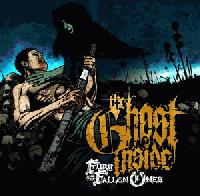
The Ghost Inside's New Album, "Fury and the Fallen Ones" Is definitely one of the best cds from a "new" band that I have bought in a long time. The Disc Punches you in the face right from song one, and continues to impress throughout, with very few lapses in-between. This Review is written by a hardcore/metal Fan who also plays in a band and
is bombarded with "check this band out" several times a week. With that said, to people who are not terribly involved in the scene, this disc might get unfairly labeled as generic, or standard metalcore, but, for those of us who listen to hardcore, metal everyday, The differences between this cd and 90% of the other stuff will be pleasantly obvious, and in my opinion, you don’t have to re-invent the wheel to have your own style.
The band successfully takes different styles of metal, and hardcore and blends them together to raise the bar for the throngs of other bands that are trying to compete for space in the (almost) too crowded genre. This bands sound takes melodic hardcore elements, (Comeback Kid, Shai Hulud) blends them with metal precision, and driving, yet not so predictable, riffs (Bury your Dead, The Agony Scene) and manages to keep a very tough hardcore integrity with vocals that are in your face from start to finish (Terror, Hatebreed)
The musicianship on the record is very good. Nothing on here is super technical, but everything is "diamonds packed into coal" tight, and the riffs are well written and for the most part, nothing is overly predictable, with some parts and transitions taking you completely by surprise (which i might add, is becoming pleasant rarity for me these days) Soyer Aaron and Tyler have done a great job developing their own guitar/bass sound with the riffs and tone on this album. They've managed to pull off melodic, and driving, and heavy, which in my experience a lot of bands can do 2 out of those 3 things but rarely all 3. KC's drumming compliments, and backs up the Guitars and Bass very well. He plays perfectly for the parts, and is just flashy enough in the right spots to make him very fun to listen to, but not so flashy that the song loses its punishing stride. And did I mention rhythm section machine tight? The Vocalist Vigil in my opinion has the ideal sound for a hardcore vocalist. He has the very mid range, even toned, intense, Jamey Jasta, (Hatebreed) or Scott Vogel (Terror) style vocals. I found the lyrics to be very tough and real throughout, which makes him more credible than other bands that want to be so tough that their lyrics are just over the top, or cheesy, or downright BS
I think this album is absolutely worth the ten bucks paid, and proves you can be outside the box, catchy, and STILL make a listener want to windmill kick somebody.

6/02/2008

Trivium Ascendancy


Tracklist:
- The End of Everything
- Rain
- Pull Harder on the Strings of Your Martyr
- Drowned and Torn Asunder
- Ascendancy
- A Gunshot to the Head of Trepidation
- Like Light to the Flies
- Dying in Your Arms
- The Decieved
- Suffocating Sight
- Departure
- Declaration

Release Date: 2005

Download - All Tracks <<< Click Here

Trivium- Ascendancy

In the past year my music tastes have changed quite dramatically: At the end of last year I was listening to bands like Linkin Park and Breaking Benjamin, but now I listen to Death Metal and any type of “screamo” (yes I know stereotypical word). One of the bands I was bound to stumble upon, being a new metal fanatic, was Trivium. At first I was a little skeptical, because I once heard their all too famous song Pull Harder on the Strings of Your Martyr, and lets just say I wasn’t too fond of it. But this was back when I despised most metal, and only listened to the vocals. I listened long and hard to Trivium’s guitars and drums (which are both amazing), and I eventually came around to them.

See the thing that bugged me the most about them was their style of screaming: rough, edgy, scratchy, and painful-sounding screams. I just couldn’t stand it, but then (after trying to scream like that myself, ha-ha) I realized how hard it actually is to scream like that. I mean Matt Heafy (the lead singer) lost his ability to scream within one year of touring, obviously this style of screaming would have an effect on your voice after awhile (oh and to Trivium fans, Matt is working on vocal lessons to scream again, so expect that on their next new album) Anyways, this opened my eyes to how ridiculously hard it is to scream, and after a few listens I picked up their guitar melodies and riffs, which are actually incredibly complicated for the band only being around seventeen when writing this album.

Trivium is:

Matt Heafy- Lead Vocals, Guitar
Corey Beaulieu- Backing Vocals, Guitar
Paolo Gregoletto- Backing Vocals, Bass Guitar
Travis Smith- Drums

This album isn’t a listen; it’s an experience (yes cliché, but true). Every song keeps you interested with their complex riffs and technical guitar solos. When the album starts with The End of Everything, you get this almost dreary, dark and depressing feeling that flows like a black river through your mind. This short intro uses bass-filled guitar strings that just force this melody to get nailed into your head. But this isn’t what you should expect from the whole album, as this seems almost like a different band wrote an instrumental track to include into the mix.

The album’s overall feel is……. Almost satanic (if you don’t listen to the lyrics that is, which are not at all satanic); as if your listening to a ballad sent to your from hell. All the songs are incredibly heavy (with the exception of Dying in Your Arms) and fast; trust me when I say that you will headbang while listening to this album. In some respects I guess you could say that Trivium’s style is a combination of thrash metal (obviously, their main influence was Metallica) and metalcore. Smith is almost constantly doing double bass blast beats the whole album, the guitarists are constantly performing speedy riffs and guitar solos, and Matt’s vocals are a hybrid of scratchy vocals, screams, and clean beautiful singing sessions.

One song that specifically presents all of these elements very obviously is the piece named The Deceived (Which, in my opinion, is the best song on the album). Right when this song begins the fast riffing and burst-double bass drums beats fill your speakers with bass and noise. Then the harsh screaming of Heafy cuts in and sends chills down your spine. His blood-curdling screams are then halted, and he starts to sing in a scratchy voice, “We are the deceived! Lost in the foreseen!” This is a very addictive and clever chorus; actually every single lyric that comes out of this album’s line up is pretty much well-thought out.

Another element to point out about this element, that’s possibly a negative one, is the fact that the bass guitar is rarely able to be heard. To actually hear the bass guitar perfectly through a whole song, you need very bass-heavy headphones, or a bass-heavy MP3 player. Although truthfully the bass is actually very good, as Gregoletto actually gives you a constant supply of complex bass grooves and rhythms.

Now one instrument that deserves much praise is the drums, Travis Smith is a phenomenal drummer that actually could possibly be compared to skill that of Joey Jordinson (If your very sheltered, that is the drummer of the band Slipknot, if you don’t’t know who they are, then that’s just sad). He supplies your speakers with a constant attack from the double bass drums and sometimes even does some incredibly technical snare drum combinations that all add to the overall experience.

Overall, I would have to say this album comes pretty damn close to a classic, its just that it sometimes gets repetitive in its riff sound and song composition. Although when I look at the album in this way I try to put it into a different perspective: Trivium was going for consistency when writing these songs, not variation, therefore they greatly succeeded in that element of their plans. This is slowly becoming my favorite album of all time, so I will give it a 4.5/5.

Top Five Songs Off the Album:

1. The Deceived
2. Departure
3. A Gunshot to the Head of Trepidation
4. Pull Harder on the Strings of Your Martyr
5. Like Light to Flies

Moonsorrow Kivenkantaja


Tracklist:
1. Rauniolla
2. Unohduksen Lapsi
3. Jumalten Kaupunki / Tuhatvuotinen Perinto
3. Kivenkantaja
5. Tuulen Tytar / Soturin Tie
6. Matkan Lopussa

Release Date: 2003

Download - All Tracks <<< Click Here

Moonsorrow had already made a name for themselves in the folk and Viking metal community. Their 2001 releases Suden Uni and Voimasta ja Kunnasta showcased the Finnish quintet’s knack for beautiful and groovy melody, quaint folk influences, and all things epic, yet in spire of these two albums, they hadn’t quite been able to muster the means to present their dedicated listeners with the sound they were waiting for. But fear not, ye olde metallers, these musical warriors staged their triumphant return in 2003 with a more refined sound and crisper recording quality that proved to be an aural experience of epic proportions. Sure it might be goofy, but goddamn, goofy never sounded so good.

Moonsorrow slate their name and purpose right from the get go; the thunderous beginning rhythms of “Rauniolla” seem to speak for themselves. Scattered throughout the album are such bursts of powerful progressions and pounding sonic assaults. Yeah, they may be simple, but they do a bang up job of engaging the listener and keeping the songs moving by providing dynamic contrast and support for the melody. Speaking of melody, it takes center stage and proves to be the most interesting and engaging aspect of the music. It’s both driving and serene, simultaneously imbuing the listener with a terrifying bloodlust while lulling him into a state of tranquil admiration. That’s not all, folks, amidst the slew of power chords, group chanting, and melodies, Moonsorrow incorporate a unique folk element, both quirky and eerily enticing.

The guitar work is spot-on on this album, providing the compelling progressions and rhythms that outfit the music with the high energy one would expect. The ambition and sheer enormity of Moonsorrow’s package are also best demonstrated by the band’s presentation of the guitars. Moonsorrow combines electric, acoustic, and 12-string guitars, which makes for a pretty formidable wall of sound. No worries though, these instruments are used tastefully, and the result never overwhelms the listener, but instead makes it all the easier to lose himself in the music. When the guitars aren’t chugging along with rhythmic precision and variety, they occasionally take the spotlight and loose some pretty righteous riffs, such as in the album’s third track, “Jumalten Kaupunki / Tuhatvuotinen Perinto.” These licks appear without warning, capturing the same compelling quality of the band’s great chord progressions, and then they vanish as quickly and artfully as they came, leaving the listener wanting more. Their existence is ephemeral, but your neck is guaranteed to be pretty worn out by the time they’re gone.

On this particular release, the vocals and keyboards are responsible for the majority of the melody, and when the two are combined, the outcome is simply stunning. The keyboards can be heard not only in the traditional synth sound, but they also appear as the resounding call of trumpets and the soft timbre of flutes. The vocals are just as impressive and awe-inspiring. Performed by three members, the clean vocals and chants are simply beautiful, and give the songs huge amount of energy. The harsh vocals, cries belted from Sopvali’s pipes, are also quite good, and seem genuine and free from added effects. Both parts of the music are superb, and play an integral role in making the sound what it is, a sound to be revered.

Drummer Marko Tarvonen also delivers a solid performance on the album, and is an outstanding example of the truly supportive player. His chief role is to help shape the songs dynamically, and he does so to a “t,” attacking the crash cymbal with the fury of a Viking crew lacking mead when the music calls for it, and backing off when the melody needs to be heard. He’s no pushover however, his feet be nimble and quick and he can tear up the tom toms with considerable aptitude.

As for downsides, the album doesn’t have too many. For listeners with attention spans on the shorter end of the spectrum, you may want to steer clear of this band entirely; the average song clocks in at about ten minutes. Length aside, Kivenkantaja’s only real fault is its somewhat anticlimactic close. The album could have used an epic finale, urging the listener to immediately press the play button once more. However, Moonsorrow opt for the soothing sounds of “Matkan Lopussa” instead. The track order could have been better, but it isn’t of such large concern that it really detracts from the album overall.

So there you have it. Pop this baby in your CD player and prepare for quite the journey. Set sail on your vessel of rape and pilfering and make your way for Newfoundland. For the rest of us without such authentic and historically accurate vessels, shopping carts from the local grocery or department store will do just fine.

Darkest Era The Journey Through Damnation


Tracklist:
The Morrigan
Visions Of The Dawn
Another World Awaits
On The Crest Of Doom

Release Date: 01/01/2007

Download - All Tracks <<< Click Here

Darkest Era is a Celtic folk metal band hailing from Northern Ireland. Since their inception in 2005, they have released a demo and just recently a four track mini album called “The Journey Through Damnation”. Darkest Era isn’t folk in the traditional sense of folk metal. I say that because more often than not, most folk metal bands you come across will feature a plethora of instruments akin to the ever increasing absurdity of the genre. Darkest Era instead go down a more straightforward route and blend elements of doom and folk into a classic heavy metal fold. The Journey Through Damnation” is complete with galloping rhythms, powerful clean vocals, and epic chord progressions.

“The Journey Through Damnation’ opens up with a bang as “The Morrigan” begins to pick up speed. The intro quickly reminds me of Primordial’s “Heathen Tribes” before erupting into a raging anthem. Primordial’s influence can be heard early on with Dwayne’s impassioned vocals rivaling even that of
Alan Averill. Primordial comparison aside, Dwayne is a great metal vocalist recalling the spirit of the 80’s with the power and raw emotion he displays in his voice. What I’m most impressed with from this group is the strong guitar work from Ade and Sarah. The talent that they exhibit on this mini disk before they’ve even released their debut album has my thumb of approval. This guy and gal craft some seriously catchy riffs that will stick in your head with their epic qualities. Always heavy and bringing the folk influence into play, the duo bang out raging mid tempo patterns to a great avail. Don’t forget about the solos. There’s plenty here and always welcome in my book. Another interesting feature is that the drumming is played by another female. Lisa’s drum work is pretty cool albeit nothing unfamiliar. Plenty of fast tempo shifts and thundering double bass to keep the metallers happy. Before viewing I was curious to hear the bassist’s input in this project and I’m not disappointed. The bass is cleanly heard and sounds great when David follows the guitar around with quick fills.

Production wise this isn’t too bad for a young band. The gritty tone fit’s Darkest Era’s aggressive nature quite well. My only complaints would be that it ends too soon, coming in around 4 tracks at 25 minutes and the prominent Primordial influence. There are times where I feel like I am directly listening to a Primordial track and not a Darkest Era Track. I just hope in time of their newest release that they continue to focus on creating a sound true to themselves and not ripping off one of their idols Few complaints aside, this is an awesome addition to the folk metal community and am eagerly anticipating new output from these guys because they show great potential here. Fans of Primordial and those who like their metal epic need to hear this band.

Dwayne Maguire – Vocals
Ade Mulgrew – Guitar
Sarah Wieghell – Guitar
David Lindsay – Bass
Lisa Howe - Drums

Thought Industry Outer Space Is Just A Martini Away


Tracklist:
01. Love Is America Spelled Backwards
02. Jeb And The Haymaker
03. Fairy
04. The Squid
05. Dante Dangling From A Noose
06. Jack Frost Junior
07. Pinto Award In Literature
08. Soot On The Radio
09. Watercolour Grey
10. Sharron Sours
11. D.i.y. Tranquilizers
12. Fruitcake And Cider
13. Atomic Stroller Helps None
14. Bottomfeeder

Release Date: 1996

Download - All Tracks <<< Click Here

I like a lot of alternative music, but find that it quickly becomes boring due to a structure and sound that is largely similar from band to band, and that is why the latter Thought Industry albums were always such a breath of fresh air. For those that don’t know of the band, I could begin this review with a rehash of Thought Industry’s history and then go on and on about how great the first two releases from this band are. I could then gush for hours about the uniqueness and awesome musicianship found on those two progressive metal albums, but it would all be a waste of your time because stylistically those albums have very little bearing on this, their third release. Where the first two were unabashedly metal in nature, the final three albums (this being the first of the three) saw them explore alternative rock but with a complete disregard to any rules or conventions.

There could be many reasons for this sudden stylistic shift, but personnel changes may have had something to do with it. The first original member to jump ship was phenomenal drummer Dustin Donaldson who left the band to concentrate on other musical interests (I am Spoonbender). His replacement, Jared Bryant, is a good drummer but he just doesn’t have the same flair and exciting style that Dustin did. This is also the album where vocalist/bass player Brent Oberlin stopped playing bass and focused on just being the front man. To put this line up adjustment into perspective it would be the equivalent of Les Claypool (Primus) deciding to focus on vocals and bringing in Tom DeLonge (Blink 182) as his replacement on bass. Basically, it’s just a huge step down in the bass department and a decision I always wished they had reconsidered.

Even though I spent the last paragraph outlining the drop in musicianship that the new members brought with them, that is more a reflection of the high standard the original members set more then it is a reflection of any lack of quality on the new guys’ part. The music contained on this album is still great, and the opening track “Love is America Spelled Backwards” proves that by delivering a weird hybrid of Nothingface-era Voivod and The Pixies. The song might initially seem pretty basic with its simple punk-like structure and riffs that seem relatively straight-forward, but additional listens reveal subtle nuances that prove they hadn’t lost their progressive edge, but that it had merely gone underground. Lyrically Brett is still in top form as well, singing about getting drunk with his girlfriend while attending a funeral, culminating in an altercation with the reverend before finally passing out on the body.

Later songs follow the same strategy of using simple song structures and filling them with subtle nuances and various musical influences and moods. A song like “The Squid” displays a very bouncy indie/Pixies leaning but combines it with random noises and lo-fi synth over which Brett spouts off more of his inane alcohol-fueled lyrics. On the other hand there are songs such as “Sharron Sours” which brings out more of a Radiohead influence complete with a chill slow-moving tempo and spacey synth on the verses and combines it with an old-school hardcore vibe during the chorus. The rest of the songs all fall somewhere within the realm of description given for the tracks already mentioned, from the lo-fi synth and alternative leanings to the occasional old-school hardcore shout and other varied vocal deliveries, but each song combines those elements in a unique way that gives them their own identity.
http://punk-new-reviews.blogspot.com/
Despite my attempt to explain this album using a few songs as examples, the album is varied enough that only a track by track would really be able to specifically explain all the subtle nuances and various elements contained within. Needless to say, this is still Thought Industry complete with the angry alcohol-fueled outbursts and strange musical ideas. The big difference is that this time the band has stripped down to a more basic alternative rock structure where the songs don’t abruptly change direction ten times in a minute but they have also crammed more elements into this new structure. If this even remotely sounds interesting I’d suggest tracking it down and then moving on to their entire back catalog because you won’t be disappointed.