7/05/2008

Hammers Of Misfortune The Bastard


Tracklist:
- Act 1 -
1. ...The Dragon is Summoned
2. The Bastard Sapling
3. On Wings of Vengeance
4. Hunting Tyrant
5. You Should have Slain Me
- Act 2 -
6. An Oath Sworn in Hell
7. The Blood Axe Speaks
8. Tyrant Dies
9. The Witch's Dance
10. The Prophecy with Two Meanings
- Act 3 -
11. The New King's Lament
12. For The Axe
13. Troll's March
14.Sacrifice - The End

Release Date: 2001

Download - All Tracks <<< Click Here

Rock operas often have the significant shortcoming of being lame, and getting so involved in telling the story as to let the music itself fail to actually be enjoyable. Such is not the case for the Hammers of Misfortune. Their 2001 debut album isn't so much an album, and not even a concept album. It's an epic and tragic tale told in three acts similar in thematic scheme to MacBeth or Beowulf, and with a great deal of philosophy and deep subjects to tackle with such as the role of Humanity in the world, if fate is predetermined, and what morality even is if both of the two previous concepts are put into doubt. And the greatest part is, this album FREAKIN' ROCKS!!! Telling the story never has precedence over the music which is uncanninly heavy and easy to head bang to. The band seemlessly combines elements of power metal, black metal, doom metal, and celtic, arabic and bluesy scales to make a sound that can't really be described by any one of those names. Upon considering that the band recorded it themselves using low quality equpiment, you begin to wonder just how they got the sound quality to be so crisp and clean, and the mixing is near to perfection.

The album starts off with a fade in on "... The Dragon is Summoned" which sets the theme. The Female Vocalist of The Chaos Dragon is introduced. A number of riffs and vocal harmonies from this song are revisited later in the album. A good opener to the album but by far not the best song.

One of my favorites, "The Bastard Sapling" opens with an acoustic and vocal intro which after a verse and a break in the music, suddenly becomes one of the heaviest songs that I've ever heard. The main Character of The Bastard is introduced in this song Very doomy and slow, with occasional breaks and melodies to increase the suspense.

"On Wings of Vengeance" revisits the theme from the first song, and expands upon it using it to tell keep telling the story. One of the most dramatic and powerful chorus's to any song on the album is in this one.

"Hunting Tyrant" Is where the character of the Tyrant comes in. A mid tempo song with lots of instrumental texturing before the harsh vocals of the tyrant come in. Very moody song, which makes you feel as though you are actually on an isolated hunting expedition through the dark woods.

"You Should Have Slain Me" is another favorite of mine. There is a strange effect throughout as the Female vocalist harmonizes at times dissonantly with the main character, hinting at how the Chaos Dragon is now directing the actions of the main character. It starts out subdued, but then quickly picks up the pace and has a really good solo in here.

And heres where Act 2 begins

"An Oath Sworn In Hell" Is definitely a high light of the album, showcasing several aspects of the bands style. The last half of the song is an all-instrumental outro, that just keeps building and building and building til an abrupt and violent end

"The Blood Axe Speaks" is something of an experiment in just how dissonant you can make your dissonant harmonies. While some parts of it sound cool, the Riff that it is based around occurs again later in the album and is used to much better affect then than here. This song is more just a plot device to move the story forward and present the musical theme, nothing special about it as a stand alone work.

"Tyrant Dies" is a song with a terrifyingly pounding rythym. The riffing in this song, while not particularly outlandish or unique, is used so well with the drums and bass that it creates a very driven feeling, among the most headbangin' songs on the album

"Witches Dance" is a song that not much good can be said about. It develops on the story a bit, but it just seems an unecessary addition to the album. it doesn't help that the chords and chanted chorus vocals sound reminiscent of a christmas Carol. this is the only song I the album I really don't like.

And here begins the third and final Act

"A Prophecy with two Meanings" is a fun song. It's not the best song by far, but this one is probably one of the easiest to enjoy. It's fast and full of intricate basslines and drum fills and once the song reaches it's climax and all the instruments play the songs theme in unison, the epic-ness and intensity has reached an intensity that hasn't yet been heard on the album, but thankfully keeps getting higher with every song after it.

"The New King's Lament" is a very slow and moody song based mostly on the vocals. at first it's only acoustic with drums, but as the tension builds the gritty distorted guitar comes in to provide texture to it. Nice song, one of the few that is subdued the whole way through.

"For The Axe" starts off with a ridiculously fast Drum solo, which cuts out to 2 fast tremolo picking harmonizing guitars, and then everything comes in. This song is ridiculously fast paced, with the blast beats on the verses only adding to the intensity. several themes and riffs come together in this song and we can see that for the Main character, his world is starting to crumble around him.

"Troll's March" is another song that showcases just how driving rythym and simplicity can be. The songs riff is very repetitive, making it very easy to head bang to and putting emphasis towards the marching aspect of it. This song is the second-to-last song

The Last song starts out with a reprise of the main theme of the first song. "Sacrifice - The End" starts out hard and fast and then all of a sudden stops for about half a minute; the calm before the storm. It launches right back into the heavy riffing, the heaviest and most intense of any song on the album and builds up and up and up and up and up, etc etc. and every time it relieves tension or stress for even a second, it gets picked right back up again and pulled even further. All the themes from the album are revisited as the Main Character realizes that he has been used a pawn and sees everything that he has ever known and worked for crashing down around him do to his own actions. In a dramatic verse the main character gives up all hope for continueing his life and The Chaos Dragon appears for the last time to explain her part in it and how the main Character was instrumental in every single step. After this chilling revelation, The song launches back into the final theme and repeats itself until the inevitable fade out and finale of the Album

7/03/2008

Sanctus Infernum Sanctus Infernum


Tracklist:
1.Flesh Without Sin
2.God Unto Myself
3.The Journey Back
4.Facing The Black
5.Suffer
6.Waking The Dead
7.What Calm Is Without Storm
8.Let It Be So

Release Date: 03/17/2008

Download - All Tracks <<< Click Here

Mixing (sub)genres will result in one of two things; either a diverse and captivating sound taking the best from each genre it combines, or one that takes the worse from each genre, leaving it a mediocre and stale offering. Sanctus Infernum’s self-titled debut unfortunately falls in the latter category. Fusing together black metal, death metal, and hints of doom metal, one could expect something pretty fantastic, perhaps along the lines of Arkhon Infaustus, and in one respect Sanctus Infernum does succeed; they sound very much like Arkhon Infaustus. However, unlike Infaustus’ latest offering Orthodoxyn, which pulses with brutality and varies itself enough to warrant repeated listens, Sanctus Infernum’s self-titled merely drudges along, recycling riffs, solos, and vocal arrangements.

The most obvious thing I can point about Sanctus Infernum is how frustratingly repetitive it is. It’s very difficult to even distinguish the different songs; they’re all built upon the same doom/death inspired riffs, and the vocal delivery is almost identical in all of the songs. The solos as well, which predictably begin the same way in every song, do not sound unalike. It seems that the band has made absolutely no effort to vary their sound; they found one particular structure which suited them, and then they repeated it 8 times. Unfortunately for them, what they chose was not even that good in itself. The only good I can say about the structure of both the songs and the album, is that the very infrequent (I heard perhaps two, or maybe three) and short acoustic passages, give a little relief.. Honestly though, it really doesn’t make a difference.

Continuing on with the theme of repetition, the vocals make no mistakes. A low-ish rasp, obviously the result of severe bronchitis, is the only thing you’ll hear on this album. The vocalist doesn’t even bother with differing his voice; he uses the same slow delivery constantly, with, I’d assume, his hand held at head height, curled as if holding an invisible ball. Even though the album is very repetitive, the musical/technical aspect of it is at least bearable. The vocals however, are not. Any point in the album where I stopped and thought that a particular riff or drum fill sounded decent, would be completely ruined by the vocals.

I’ll make a concession and say the band shows a little potential in the final track ‘Let It Be So’, which begins in a particularly good way. The vocals still ruin the song, as does the minute long ‘solo’, but the stoppy-starty breakdown-esque nature of the song appealed to me. However, it is far too little, and far too late. I’m not sure whether or not the fact that these guys sound so much like Arkhon Infaustus, who are an infinitely better band, should affect my opinion, but it does. Where Arkhon Infaustus succeeds in combining the three aforementioned genres and making something new, Sanctus Infernum merely replicates, before replicating itself. In conclusion, Sanctus Infernum is a predictable and utterly uninspired album, which should, and will, be swept under the rug and not bothered with.

Cor Scorpii Monument


Tracklist:
1. Ei fane svart
2. Endesong
3. I, the Damned
4. Our Fate, Our Curse
5. Helvetesfossen
6. Oske og innsikt
7. Kjettar
8. Bragder i stein

Release Date: 01/01/2008

Download - All Tracks <<< Click Here

Cor Scorpii is a classically influenced extreme metal band hailing from Norway. The band was formed in 2004 by Windir’s keyboardist, Gaute Refsnes after the untimely demise of the band’s potent leader. Two other members from Windir jumped aboard in 2005 but promptly left ship before the band could put out their debut. Although things had started pretty rough for the group, Gaute quickly rebounded by picking up some talented musicians to further pursue their growing interests within the band. Cor Scorpii had latched onto the notable Descent Productions to release their debut album Monument. I’m quite happy with the result because this label boasts several other premier metal acts like Ikuinen Kaamos and Be’Lakor. After hearing their excellent demo Attergangar, I was hungry to hear a full length and Monument didn’t let me down at any point.

Cor Scorppi can be described as a hybrid melodic black/ death metal outfit in the vein of Naglfar but instead of relying on bruising force to maintain their sound, they incorporate a healthy dose of progressive and classical influences to keep things varied and interesting. First and foremost, fans familiar to Windir’s back catalog will be able to spot the notable influence it had on the music. However, this is much faster and intense than anything Windir has ever done. Featuring a pummeling rhythm section, excellent vocals, and a keen eye for atmosphere and melody, Cor Scorpii are poised to break out in the underground metal scene with this elegant release.

“Monument” is an unrelenting tour de force, with every track blasting away with pure, unbridled aggression. The lone exception to this would be the given instrumental “Helvetesfossen”. Even though the song is purely instrumental it’s one of my favorite tracks on the album. Opening up with an epic, classical inspired piece, the song picks up right away with soaring lead guitar and intricate bass lines following it’s every move. The rhythm guitar and drums play at a steady pace for a great semi head banging track. The classical element being integrated in the black/death styling’s of Cor Scorpii helps give the music an extraordinary feeling. Especially on the opening track “Ei Fane Svart” with it’s slow introduction of intricate piano notes before exploding into an all out riff fest. The choir vocals at the closing minuet only increases the power of the song with incredible emotion. It’s amazing that only 6 minutes in I’m already blown away.

The most impressive aspect from the album is the maturity and dexterity shown by Stian Bakketeig and Rune Sjothun. As a duo, these guys play perfectly together. Boasting plenty of talent and respect for each others movements, they attack their instruments with a flurry of tremolo picking and spectacular harmonies. Thomas S. Øvstedal was a great pick up for the band, seamlessly transcending both genres with a variety of higher pitched shrieking and deep, guttural growls. His voice boasts plenty of aggression and power perfect for the nature of the music. There is clean singing on here although it’s not from Thomas. They were performed by Funeral’s Mats Lerberg. They possess an epic quality you would find in most Viking metal bands, such as Windir or Tyr. They sound great nonetheless and they’re always a pleasure to hear. Gaute Refsnes takes a minimalist approach to the keyboards with a flair for the dramatics yet they don’t sound tacky or gimmicky. They’re not overbearing or cheesy in the power metal sense but they’re more in line with Vladimir Cochet’s work in Mirrorthrone. Dark, romantic themes play out through the synth ridden atmosphere as the punishing guitars bring a more organic feel to the music. Kjettar features an instrumental that wouldn’t sound out of place on a Mirrorthrone record. Gaute dabbles with the piano on several occasions lending a great feel to the aggressive nature of the beast. The synth work adds a lot of texture to the blackened death metal base into an almost perfect union.

Completing the package of the group is the bass and drums. Ole Nordsve’s performance on Monument is primarily speed driven. There’s plenty of quick double bass and blast beat patterns that keep up with the overall speed of the album. Inge Jonny Lomheim is present much of the time but most importantly interesting. There are plenty of notable bass lines that follow the guitars lead. Top notch vocals, strong guitar work, excellent drumming and bass work, this is the metal album to beat although we’re still waiting for Ikuinen Kaamos’s new record to blow us away. As a whole group, they function quite well in managing to create intense but very accessible songs with reasonable lengths. Not sure what’s in the air today but plenty of these debut albums I come upon boast above average production. Cor Scorpii fails to disappoint with a nice, glossy finish. All in all, one of the finest metal records I’ve heard all year and I urge fans of Mirrorthrone, Naglfar, Windir, and Ikuinen Kaamos to give this a peak. 4.2/5.

Panzerchrist Battalion Beast


Tracklist:
1. The Lean Black Cruisers 05:05
2. The Gods They Do Not Give Us Long 02:48
3. He Is Dead Who Will Not Fight 03:16
4. Infants' Graves 04:56
5. Weep No More 04:59
6. Flame of the Panzerchrist 04:55
7. Lumps of Rotting Clay 01:48
8. War in the North 03:11
9. The Spirit of Soldiers 09:06

Total playing time 40:03


Release Date: 2006

Download - All Tracks <<< Click Here

Panzerchrist is one of those bands that you completely forgot about the first time you hear them. This happened to me when I first gave them a listen. I was bored one day so I started to search for some new music and I wanted something from Scandinavia. As many of you know, Sweden’s metal scene is dominated by death metal, Norway has black metal, Finland has everything and Iceland… do they even have any famous metal bands? Denmark was the only place that I had left. I scrolled through the band names until I came across Panzerchrist. The band name appeared cool in my opinion so I downloaded Soul Collector and to my surprise, it had some decent tracks on it but it wasn’t enough to ignite my interest in the band. Years past and I heard Panzerchrist was coming out with a new album. Their latest album Battalion Beast absolutely stunned me. The album was immense compared to their previous albums. Sound production, techniques, speed, variety; everything was increased and sharpened tenfold. This is one of the most perfect death/black metal fusions I have ever encountered. Here you have the weight from death metal and the evil atmosphere and melodic elements from black metal. Intense, extreme, technical, ferocious and haunting would be my top 5 words to describe Panzerchrist.

Panzerchrist is a band that has begun to rise once more, thanks to the their record company that have been promoting them by giving out ''compilation'' albums such as Bello and the brand new Himmelfartskommando. They are not compilation albums though; Bello includes two of their masterpieces (Roomservice and Soul Collector) and Himmelfartskommando includes 6 Second Kill and Fort Outpost Europa. Battalion Beast is definitely their biggest moment, even if their other albums possess qualities that this album lacks. It still delivers a brutal punch. The vocals are black metal rasps and these vocals are really raspy I must say. The vocal delivery also showcases some grunting. I don't want to say growls because these grunts are pretty weak in comparison to the vocals in []Soul Collector[/i] which are pretty damn guttural. All the guitar riffs are more balanced and varied this time around from their previous album. Nothing gets out of hand, however, sometimes the guitar lines feel a bit stiff in some of the songs but the levels of technique and speed are great. There are lots of haunting tremolo picking sections, heavy chugging low-key guitars, and melodies that the band has incorporated more of this time around. The bass is non-existent as usual. One thing that has been a trademark for this band is their drummer, Reno Kiilerich. I would like to note that he is not a world record holder in drumming with overall performance. He is a record holder in bass pedal drumming and the record he holds is 800 pedal strokes under one minute. Anyway, the drumming is also top-notch here. There are loads of pedal work and blast beats, plus some other slower drum styles as well. Panzerchrist's choice of lyrics are nothing special. Most of the lyrics are based around war and death.

Battalion Beast contains both good and bad stuff. The variety and track dynamics have been increased hands down. The Gods They Do Not Give Us Long and Flame Of The Panzerchrist displays some of their haunting and catchy moments. War In The North is a stand out track for many reasons but it doesn't even sound like Panzer material. This song is strictly a melodic black metal track, very atmospheric, cold and melodic. The rest of the tracks are more or less melodic and follow the Panzer formula. Although, most of the tracks here have there own unique qualities that make them memorable. Panzerchrist has used keyboards from time to time and they use the right amount of keyboards throughout this album especially. War In The North, Flame Of The Panzerchrist and Spirits Of Soldiers demonstrate the use of keys through simple scale progressions and atmosphere. One thing also worth noting is that the melodic sections to each song keep the songs from feeling repetitive throughout. Even if Panzerchrist are talented musicians, there are still things that will bore the listener. All of the tremolo picked lines and over-use of double bass drumming make the album stiff and hard to endure. In the end most of the tracks become more or less completely uninteresting. All of this depends of course on the listeners taste in music. Overall, most of the bands' material gets kind of stiff after a while. One other negative to the album is the growling. The vocalist sounds like an Orch from the Warcraft series. If he only used the same deep guttural growls like in Soul Collector, the album would've been even heavier and more brutal. Unfortunately that’s not the case here.

Panzerchrist is a band that might not be suited for everybody tastes in music. Fortunately, fans of extreme music will be pleased and should get their hands on this album. Battalion Beast is full of speed, aggression and memorable melodies. Disappointingly though, the one major downside to Battalion Beast is that the band tends to make stiff and uninspired songs, despite all of the positives mentioned. Black metal fans as well as death metal fans will most likely enjoy this album. The great thing about this band is that their albums don’t follow the same pattern. Soul Collector was more like brutal death metal and Roomservice was a bit more straight forward death metal making Battalion Beast basically flawless death/black metal, even with its few drawbacks.

Positives
+ One of their most melodic albums to date
+ Great variety in songs
+ Great guitar performances
+ The black metal vocals give the album a different sound and atmosphere

Negatives
- The album will get stiff and boring with time
- The growls should’ve been a bit deeper and more guttural

Recommended Tracks
-- The Gods They Do Not Give Us Long - A very catchy and varied track with haunting melodies, catchy riff lines and an assortment of tempo changes.
-- War In The North - Melodic atmospheric black metal is all I can say about this track.
-- Flame Of The Panzerchrist - Begins with a haunting intro with slow chords, slow drumming and creepy church bells. The track later explodes with tight guitars, grunting and rapid firing pedal work.

The final rating balances between a 3.5/5 and a 4/5 for now.

7/02/2008

Trouble Psalm 9


Tracklist:
1. The Tempter
2. Assassin
3. Victim of the Insane
4. Revelation (Life or Death)
5. Bastards Will Pay
6. The Fall of Lucifer
7. Endtime
8. Psalm 9
9. Tales of Brave Ulysses

Release Date: 1984

Download - All Tracks <<< Click Here

Sometime in the year of 1979, five men in the Chicago, Illinois area decided to form a band, drawing influences from Black Sabbath, classic rock and, later on, psychedelic music. These men were Eric Wagner (vocals), Bruce Franklin and Rick Wartell (guitars), Sean McAllister (bass), and Jeff Olson (drums). With these creative people at work, they reinvented the sound created by their heroes of Black Sabbath for a new decade, and thus these legendary forerunners of Doom, Trouble, released this (at first eponymous, later changed to Psalm 9) debut in 1984, with a large cult following thereafter. And it’s not hard to see why. With tempo changes executed flawlessly within songs, a dark, sludgy tone, magnificent songwriting, and other superior aspects, Psalm 9 remains a pinnacle release and continues to influence today.

And a lot of that comes from the guitar front. Riff driven, the album is, and many great ones are heard here. From harmonization of huge, chunky riffs, to trampling semi thrash palm-muted riffage, Psalm 9 covers ground on an ample level. What makes the riffs that much more murky, heavy, and strong is the tone; very low ended and thick yet with an abrasive touch for aggressive listening, along with downed-tuning, some bear the reminisce of Candlemass. Still, snarling low register chords sound well produced and distinctive among all the instruments, while retaining the immensely evil sound that is the ‘theme’ for the album.

Solos are also prominent, and should be; they’re actually structured and melodic, apart from the blistering fast shred of Thrash Metal acts of the time. Tapping is well liked by the guitars, as featured in a lot of songs. However it is not tiring, nor does it sound overdone or old. Sweeps are sometimes found too, along with aspects of soloing that fit the album accordingly, such as long vibratos, legato notes, slow tempos, etc. And aside from the crunch and the solo, we have the low end of the strings, the bass, which is a very important aspect for the atmosphere prospect of the album. While not quite doing anything technically impressive (it follows the guitar almost exclusively), it is a very important part of the album to give it even more sludgy sound. Plus, it wouldn’t sound right if a funky bass line was smack dab in the middle of any song in this record, so technicality is not an issue at all here. Sean gets the job done, and that’s all we need.

Jeff Olson has some impressive efforts here. His drumming is flawlessly tight with the other instruments of the album, working together very well. My favorite from him off this is the fifth track, Bastards Will Pay, with a standalone double kick part and perfect accents where they need to be, complimenting the guitars. Mr. Olson has some quirky fills and patterns, but its really structured and thought out, like the solos. Nothing is wrong with his sound either. His cymbals, hi hat, etc. sound crisp, a somewhat appreciated break from all the opaque sound of the rest of the album. The rest of his kit, however, sounds exactly as they should; in line with the rest of the album. Dense.

And now for, probably the most distinctive part of the album, the vocals. Mr. Wagner is a unique, yet on the fence, vocalist. I personally neither love him nor hate him, I think he is just good, and that flies with me. Eric is somewhat the sonic counterpart of the album. He has a high voice, at least singing voice, that he uses kind of sloppily. Sometimes he can be heard on the verge of operatic (though nowhere near the likes of Doomsword or Candlemass), but mostly he likes his shout. Not a scream, not a yelp, or a growl; a shout. I really can’t explain it better than that, except that his voice has a lot of reverb, which is a plus to the album because it adds to the gloomy aspect of Trouble’s first album.

So here we have it, Psalm 9. A grand showcase pointing out all that this band is known for; groovy, heavy riffing, deep sound, slow tempos, pulsing drums… Trouble’s debut will hopefully be remembered not only for being a great album, but for impacting Doom as we know it. For reinventing the blueprints made by Black Sabbath. And for bringing together Cathedral .

Reccomended Tracks
The Tempter
Bastards Will Pay
Psalm 9

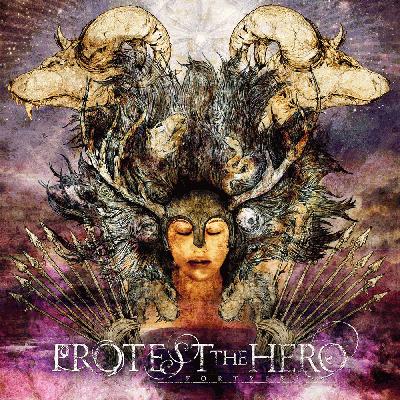
Protest the Hero Fortress


Tracklist:
On Conquest And Capture

* 1. Bloodmeat
* 2. The Dissentience
* 3. Bone Marrow
--
* 4. Sequoia Throne
* 5. Palms Read
* 6. Limb From Limb
* 7. Spoils

Isoceles

* 8. Wretch
* 9. Goddess Bound
* 10. Goddess Gagged

Download - All Tracks <<< Click Here

"This album is nothing to be intellectualized.”

-Lead phlegmy yelper Rody Walker


"It has to do with goddess worship, and how there has been this degendering of the Lord and Savior, and the suppressed feminine. A lot of it is based in Genghis Khan and old Irish Mythology, about the rise and fall of the Goddess of the forest. [The theme] can be more appreciated by more people. If I had to reduce it to its simplest form, the concept is about the re-emerging of goddess worship and the erosion of faith in scientific process."

-Lyricist and bassist Arif Mirabdolbaghi

Protest the Hero released its’ sophomore album Fortress in early 2008 to wide acclaim amongst fans of the metal genre. Praised for its’ technical proficiency and “deep” concept, the album has been so popular that it has reached, at the time I’m writing this, the number 2 highest average rating from this website’s users, behind only some irrelevant artifact that only a few people have even rated. Unfortunately, this band has been more than over-hyped; not only is this album nothing close to
“classic” material. It simply isn’t good at all.

There's nothing ambitious about the lyrics, which are actually quite generic, immature stereoptypical metal tripe hidden behind dimestore existentialist language. The vocals are nothing if not annoying. The melody is almost non-existent. And hardly anything is in the slightest bit catchy or memorable.

The narrative of the songs is unclear at best. For a band that decided to emphasize concept in the form of three so-called “song suites” over individual songs, they seem too lazy to construct a truly discernible story, although they do an efficient job of demonstrating their classic metal misogyny and macho heroics.

"Heads will roll

To the River Red, across the ochre steppe

A thousand fathers killed, a thousand virgin daughters spread with swords

still wet, with swords still wet with the blood of their dead"

I sure hope nobody actually thinks lines like that are in any way profound, good, cool or even funny.


Goddess this, goddess that, swords, mountains, beheadings, Genghis Khan, you know, the typical stuff you can expect to find in the inner caves of prog metal hell. Like most terrible metal lyrics that attempt and fail to be intellectually stimulating, these songs are really only the same tired metal masculine posturing only written in a more polished language. "Goddess Bound" could easily be a David Lee Roth quote only dressed in more epic spandex. For all the pseudo-philosophy the message can be summarized as thus: have a lot of sex and such and "drink to" any regrets about your macho hedonistic lifestyle that's bound to eventually earn you a nice case of gonorrhea and 20 paternity suits. 2008. And if you think that's the neatest sermon since MLK’s “I Have A Dream,” wait until you get to "Goddess Gagged."

The problem is that this band has no sense of humor about these ludicrous and hilariously ancient metal topics. Maybe they thought they didn't need to include any humor beyond ham-fisted musical allusions to polka and circus music or other genres, but unfortunately those aren't funny. They seem exactly as they are: lazy attempts at appearing humorous. Then again, who the hell listens to stuff like this for humor, right? Sure the lyrics are bad and the concept is nowhere near- discernible, but listen to that riffage!

Actually, after a few listens one will notice that all of these high-pitched riffs are pretty similar in sound. The listener is left with nothing concrete to hold onto mentally, other than vague noodly fret-tapping. And all of them played atop the ubiquitous palm-muting found in nearly every single metal band recording today. There are few exceptions to this relentless sea of disposable guitar-thrashing. "The Dissentence [sic]" stands as the only "great" track on the album, with an infectious chord progression and breakdown. "Bone Marrow" also has a few tight and catchy riffs, though you won't remember them five minutes after the song is over. The lack of riffs that actually manage to stay in your head is extremely disappointing in an album that focuses so much on guitar work.

The decadent production doesn’t help. "Wretch" is the perfect example of how vocal overdubs can completely ruin a chorus (or whatever you call it given the song structure), while "Bloodmeat" makes the same mistake with guitar tracks overload. It’s hard to hear any passion in a performance when it’s being glossed to a sheen.

Not that we’d really want to hear lead singer Walker’s “passion.” Walker may have the most annoying high-pitched dying-cat yelp in all of music with the sole exception of that weird little man from Chiodos. And the overdubs on “Wretch” are most egregious example of a singer that simply cannot sing without sounding as if he is moaning in pain. And this may be metal, but that doesn't mean melody should be completely thrown out in exchange for Walker's wordy screeching/ boyish wailing. You won’t remember a single melody on this album the second it’s over. They are so thoroughly unvaried and agonizing that most people will probably give up even trying to keep up with the vocals by the second “suite.” “Palms Read” features obnoxious shouting that may work on, say, a Taking Back Sunday album. But since it isn’t fun to sing along to and sounds more like bored whining rather than impassioned indignation, it doesn’t work here.

The only real strength to this album is the amazing timing and technical excellence demonstrated by the band’s drummer. So if you’re into albums that have little redeeming qualities other than the drumming, have at it.

The simple fact is that this band seems stuck in another time and place. This would have been huge in the 1980’s. But (not) sadly, we now live in the 00’s, and it’s time for this type of metal formula to go, to be incinerated by the dungeon furnace of Hades where the suffering does not cease and there is no women to plundereth. Or whatever.

Protest the Hero stands as the epitome of what is wrong with metal today: as all other "scenes" are growing and becoming more liberalized, this genre seems determined to move in the opposite direction, marinating in archaic metal cliche's like misogyny, mythical bullshit, riff after riff after riff that amounts to the most obnoxious of instrumental masturbation, etc. Not to say that there isn't still good music within that narrow paradigm. Just listen to Opeth, a band as "metal" as metal gets that still has a sense of melody, precision, drama, tension, and even does something lyrically, and plenty of technical skills yet. The problem is that Protest the Hero can't do any of that here. In truth, Fortress boils down to the riffs, man. Good luck trying to remember them.

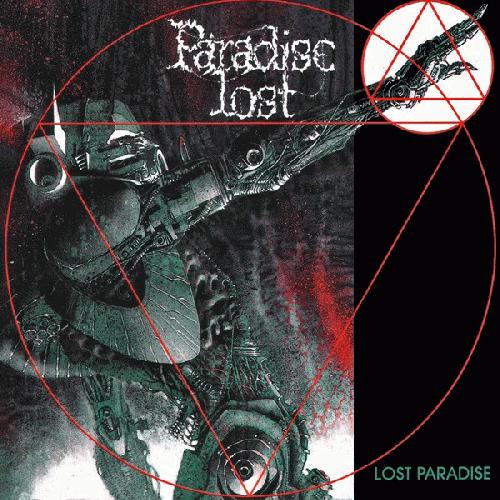
Paradise Lost Lost Paradise


Tracklist:
1. Intro
2. Deadly Inner Sense
3. Paradise Lost
4. Our Saviour
5. Rotting Misery
6. Frozen Illusion
7. Breeding Fear
8. Lost Paradise
9. Internal Torment II

Release Date: 1990

Download - All Tracks <<< Click Here

Paradise Lost are considered one of the originators of the modern doom sound and also one of the forerunners of the doom genre in general, and deservedly so. When they released their debut album in 1990 there was nothing that really sounded similar. In fact, it would be another two years before either My Dying Bride or Anathema released their first albums and really set the standard for what good doom could be. With that in mind it’s easier to understand why people may have thought this album was phenomenal at the time, but hindsight has proven otherwise. While you have to give credit to them for helping to define a genre, this album really sounds more like a death metal band without the chops and too lazy to play fast.

If you remove nostalgia and “reverence for the classics” then the only thing you’re left with is a raw slab of slow to mid-paced, underdeveloped metal that just so happens to incorporate the slightest bit of gothic atmosphere and melody. The album begins with one of the worst trends in metal; the throw-away intro track which through its use of droning noise sets the low standard that the rest of the songs will achieve with reckless enthusiasm. From the opening unremarkable ‘evil’ guitar melody on “Deadly Inner Sense” to the closing moments of the last forgettable, plodding riffs of “Internal Torment II” there is really very little in the way of redeeming factors in this album. Instead we’re treated to a series of sluggish, monotonous riffs with moments of silence every few minutes to signify that the band wants to make you believe they’ve moved on to a different song even though one is barely identifiable from the next.

As I mentioned earlier the riffs are all the same basic power chord progressions reused with subtle differences throughout the entire album. If the riffs were any good then that might not be such a bad thing but not only are they generic and forgettable, but they also lack any power or identity. Any fan of doom knows that often times the riffs are basic and slightly generic (especially in funeral doom), but the rest of the musical ideas are supposed to mask the lack of quality riffs and suck the listener into the music anyway, but again, Paradise Lost fail at this too. The wonderfully morose melodies found all over their gem, Icon, are almost no where to be found here and when they are they’re underdeveloped, do very little to compliment the song and feel almost like an afterthought. What’s worse is that other then the deficient riffs there is nothing other then the occasional sound effect to help these songs out of their slump.

The only element that does help to prop up these songs in any way at all is the vocals of Nick Holmes. His guttural death metal style is perfect for the raw sound presented on this album. In fact, it is often his multi-faceted death vocals that keep the songs from becoming redundant to the point that they’re entirely unlistenable. It is Nick’s voice that presents a lot of the power and heaviness attributed to this album, and it is his vocals that set any kind of atmosphere at all (barring the rare instance when they get it right musically). It is also his dark lyrics that set the standard for all future doom releases as he at least got that right the first time around.

I like Paradise Lost and I really do think they helped set the standard for the doom genre on their next few albums, but this one was definitely more of a stumble instead of the quick start that bands like Anathema and My Dying Bride pulled off a few years later. Unfortunately, except for the sake of nostalgia, there is very little to redeem this release. It is true that songs like “Breeding Fear” with its female vocals helped establish a stereotypical element that runs rampant these days, and the dark lyrics combined with the very rawest of gothic undertones helped create the basis for the genre, but is that enough to force yourself to listen to this? If you’re curious about the origins of the genre then, by all means, give this a try but for anyone just looking for a good, older doom album you need to set your sights a little later into the nineties.

7/01/2008

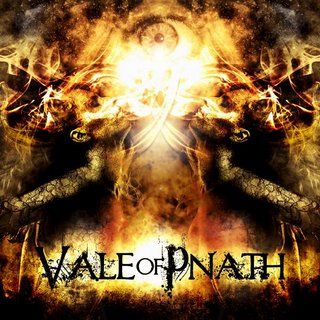
Vale of Pnath Vale of Pnath


Tracklist:
1. A Witness
2. Carcosa
3.A Disoriented Blur
4. Dens of Inquity

Release Date: 04/01/2008

Download - All Tracks <<< Click Here

Months ago, I heard about this band, and decided to check out their myspace to see if there was anything I‘d enjoy. Before clicking play, I looked around on their page to get a better sense of what these guys are trying to do musically. I immediately noticed the array of melodic and/or technical bands under their influences section, along with a scattering of well-known black metal artists. I was quite impressed, so I put on my headphones and clicked the sideways triangle icon (still not expecting much, as I have seen many a band that don’t come close to who they are trying to emulate).

My expectations were exceeded about 30 seconds in, as the beginning of “A Witness To” started swirling in my head with moderately high-pitched screams, a simple but fitting drum pattern accompanied by distorted guitar, and some lower-pitched growls giving way to a brief breakdown. The first thought that came to mind vocals wise was “This sounds like Malone, but not as shriek-y sounding.” After hearing the other songs, not only did the vocals sound similar, but musically too.

What this brief 4-song EP does, it does well. The melodic/technical nature is very reminiscent to Arsis, but there are factors which set them apart from rip-off status. First of all, the bass in this EP can be heard at various points, and is, to be blunt, awesome. From the excellent fill in the aforementioned “A Witness To” to some sweep-picked goodness heard in the crushing intro of “Dens of Inequity”, the bass is outstanding when heard. Guitar-wise, there are riffs aplenty, and set the tone for the album with their technical/melodic nature. Getting back once more to the Arsis comparison, the intro to “Carcosa” is very similar to the one found in the metal-classic “A Diamond for Disease”. You’ll hear it immediately, the “dununananana, dununananana” pseudo-cresendo in the beginning of the song. While definitely not ADFD (what is?), “Carcosa” is the possibly the best out of the 4 songs. It has some “dweedle-doo” sweeping, and a lead/solo around 1:40 which is very impressive and stands alone as the best moment of the album.

Other notes are that the vocals are mostly monotone, higher-pitched black-metal-esque screams, there are a few non-core breakdowns to break-up the pace, and a couple songs have a bit of filler. This is still a very young band, and are currently looking for a drummer.

Overall, Vale of Pnath’s self-titled EP as a whole should yield interest from major record labels (ahem, Willowtip, ahem) with its impressive technical drumming, bass, and guitar-work. This band from Denver has potential to be a household name in the technical death metal genre, if they continue putting out material of this quality.


Pros:

- All 4 songs are a great blend of melodic/technical goodness
- Catchy, groovy riffs
- The Bass

Cons:

- Little variety and vocal range demonstrated
- On the short side
- A bit of filler

Darkspace Dark Space III


Tracklist:
1. Dark 3.11
2. Dark 3.12
3. Dark 3.13
4. Dark 3.14
5. Dark 3.15
6. Dark 3.16
7. Dark 3.17

Release Date: 05/30/2008

Download - All Tracks <<< Click Here

Darkspace return after 3 years with their expected album Dark Space III, with all song names and the title following the trend of their the first three releases. Titles are simple numbers that give you the album number and the track number in the title. Covers are minimal with a small ambiguous picture of outer space giving a bit of a creative guide to the listener. Booklets are empty, cds feature a pentagram etched on them, and the back simply has a very small tracklisting written on the back. Clearly Darkspace are still a band that put most of their creative focus into their music, and while III is not anything unexpected it is an excellent album nonetheless.

The music of Darkspace here is a blend of the first two albums. The heavy rhythmic palm muting riffs of the first album that almost gave a death metal touch are back after being put aside for II. The huge airy and open keyboard sounds of two are also back, and the III almost feels as if it is the best of the first two albums blended together. The songs are all very long, but this time the music is as varied as ever for Darkspace standards.

One of the key things that Darkspace do are create a wall of sound rather than distinct riffs and melodies. This is effective because you don't notice repeats or reoccurring structures which makes the music flow very organically. The mix is also very organic, including a good amount of distortion on the guitars bass and vocals. The drumming is still being handled by a computer and I think the synth is also programmed as it is rarely actually playing anything melodic. The synth creates moods and bursts of sound which work extremely effectively. Either they give a very empty hallow and airy sound to back samples like in 3.16, or they work to make a huge burst of sound to create a climax to a build up section, as in 3.17.

The guitars and bass are one of the most interesting things about Darkspace. As in Paysage d'Hiver I cannot tell what is being played at all. Some may be turned off by the overly harsh sound that the over-distorted guitars create, but personally love this distorted and full sound paired with the emty synths, unintelligible structures, and huge song lengths. The whole result ends nicely in a very bleak and empty vision of the far ends of space if the listener wishes to immerse himself in the music. The palm muted chords in the guitars detract from this feeling a bit, and instead substitute a bit of uneasiness and chaos into the mix.

The album is really the best of the first two albums. It takes the long airy passages of II and mixes then with the rhythmic Death Metal riffing of I. To all fans of empty, repetitive, ambient, and noisy music, I would recommend this to you. Darkspace is really more about understanding the feeling the members want you to get (which is the bands title, the concept of Dark Space) than listening to the musical aspects of the album, and it is the most effective album Darkspace have made to date in achieving this goal.

8.8/10

To-Mera Delusions


Tracklist:
1. The Lie
2. Mirage
3. The Glory of a New Day
4. Inside the Hourglass
5. A Sorrow to Kill
6. Asylum
7. Fallen From Grace
8. Temptation

Release Date: 02/18/2008

Download - All Tracks <<< Click Here

The UK doesn't have such a steady influx of good metal bands anymore. Yeah, granted the whole metal shtick started there, with the likes of your Led Zeppelins and Judas Priests and Black Sabbaths, and of course there is the famous New Wave of British Heavy Metal and then later all the doom bands such as My Dying Bride and Anathema, but when was the last good UK metal band formed? (No, DragonForce doesn't count.) Probably in the early 1990s. Well, To-Mera are from the UK (though they have a Hungarian vocalist, Ms Julie Kiss), and they are setting out to completely shatter that notion.

And the first thing you think when you hear To-Mera is: "what the hell are THESE guys and lass doing?" On the first spin, you'll find this disc to be an utter, utter mess. What abounds here is prog metal super de luxe, with just about every cliche you can find. Let's see, in the first three songs we find: overwrought neoclassical keyboards, Meshuggah-esque downtuned riffs, (mezzo?)-soprano female vocals with an ethereal quality, jazz interludes, even a part that sounds like what would happen if Portishead did a jig with Cynic. Time changes are abrupt and on-a-dime, with hairpin time signatures and tricky riffs flying off in random directions everywhere. It's one big spiraling helix of music, and one that will cause utter confusion for the inexperienced listener.

However, if you listen closely, you'll see that some of these songs have more musical structure than you expect at first glance. Opening track "The Lie" is the best example, where the first minute features no less than three time changes, but the riffs seem to stick together like they've been plastered by glue, and by the time Kiss's vocals come in, you're well underway to your first musical journey of the album. No matter that the chorus features blastbeats over an angelic vocal melody, or that two-and-a-half-minutes in, it feels like someone switched from the new To-Mera record to Portishead's Dummy, complete with Kiss doing her best Beth Gibbons impersonation. Somehow it seems glued within the framework of a real song, and all the different musical aspects seem to work.

However, we ain't just got Kiss switching from the high soprano wailings (Tarja Turunen, you've got company!) to sweet jazzy vocals, the band is just as esoteric as their vocalist. Glory of a New Day features a riff that is pure Meshuggah plagiarism, complete with the demented guitar tone that the Swedish buggers use, only unlike Meshuggah, the riff develops into 3000 different variations with all sorts of tangents before finally coming back to its original form at the end of the song, completing the cycle. In the meanwhile the drummer has had so many time changes to perform, you'd think he'd dropped dead. Keyboardist Hugo Sheppard and his compatriot on the guitars, Tom MacLean, trade insane riffs and solos all throughout the song like there's no tomorrow, and basically, the whole album is just one huge display of technical proficiency.

The downside: To-Mera, when they haven't found a sweet riff or a melody that sticks in your head, can be yawn-inducing to the max. The Lie is a brilliant song, but it runs for nigh-on 8 minutes, and by that time, a potential listener is already exhausted with everything To-Mera has to give. The issue is that this album from that point on turns into a big chaotic mess where 65 minutes of the madness is just too much. Sure, there's enough musical and stylistic variation to keep the listener occupied, but the swirling atmospheric keyboards, stop-on-a-dime time changes, and downtuned guitar chuggathons complete with 80s-style-shred solos get inevitably boring halfway. They've just tried to cram too much on the album, and the record would have been infinitely better off if they trimmed song lengths, or just cut one or two songs out, as 40 mins or so would have done much more justice to the band's talent.

The album, though, is definitely progressive and innovative, despite adhering very much to a lot of "prog" aesthetics, mainly those pioneered by genre leaders Dream Theater and Symphony X. There is an appeal for fans of those bands and their ilk, and it is a recommended buy for anyone looking for some challenge in their music. But it's not an easy listen, and everyone who gets confused after just one minute, is definitely excused. I guess prog bands always need to learn a thing or two about songwriting...

Burning Skies Greed.Filth.Abuse.Corruption


Tracklist:
1. Warhate
2. You Don't Have To Be Dead To Be In Hell
3. Y.G.F.F.
4. Rounding Up The Cattle
5. Abuse To Confuse
6. To Be The Man Who Has To Beat The Man
7. Spat Out And Stamped On
8. It's Hard To Breathe With A Bag On Your Head
9. Slashed, Thrashed And Fucked Up Beyond
10. Emocalypse
11. Sticky Richard

Release Date: 05/13/2008

Download - All Tracks <<< Click Here

Lifeforce record, best known for releasing early records from the bands Between the Buried and Me and Trivium, has grown into a major independent metal label. Burning Skies’ has released their third album, Greed.Filth.Abuse.Corruption, on May the in the US and Canada. Hailing from Bristol, this UK band has been making their own noise since 2002. They’ve taken old school grindcore and death metal and infused modern American metal to create their sound today. Are they close to making it big or are they just another Hot Topic scene band that will fade away or drastically change their sound when a new metal fad comes out?

The vocal duties are taken care of by Merv Hembrough with backing vocals coming from Liam Phelan (Guitars). Merv has some range that really helps to improve the lasting value of the record. The vocalist has an arsenal of vocal styles to choose from: a nice gruff vocal style, death growls, pig squeals, and screeching screams. The inconsistent style of those four is the screeching screams. The go from complimenting the other vocals during that part of the song to not fitting at all, ex. “Spat Out And Stamped On”. The gruff vocals are, for the most part, great; they are even better when they are sped up, ex. "You Don't Have To Be Dead To Be In Hell".

The main features of any Deathcore band, vocals wise, are the growls and pig squeals. There are some nice growls gracing the album, ex. opening growls on "You Don't Have To Be Dead To Be In Hell" and cleaner death growls on “Y.G.F.F.”. The pig squeals are all pulled of very well except for the ones on the track "You Don't Have To Be Dead To Be In Hell". The best vocal performance is found on "Emocalypse", which features a great change of pace gang vocal part, followed closely behind by “Sticky Richard”.

The guitarists are Chuck Creese and Liam. There are a lot of chugging guitars found on the record, most of the time their not benefiting the record, ex. “Emocalypse”. The only guitar intro that is of any note is the great one on “Emocalypse”. There are only two instrumental breaks that really highlight the guitars, The better of the two is “Warhate”. After a solid guitar riff to start the album off, the riffs have their difficulties. You have a nice slow riff near the end of "You Don't Have To Be Dead To Be In Hell" but then you get a bad riff on “Slashed, Thrashed and F*cked Up Beyond All Recognition”. The difficulties continue with the breakdowns. The middle of "To Be The Man Who Has To Beat The Man" feels like it went from one breakdown to another while the one found on “Spat Out and Stamped On” is horrible. The breakdowns do pick up with a great one found at the end of "Emocalypse".

The drummer, Phil Tolfree, is very good and does his job very well. Phil can use his double bass pedals pretty fast but he uses them really well on “Warhate” while using a great double bass and cymbals combo during the middle of “To Be The Man Who Has To Beat The Man”. Most of the time the drums shine during the intros of songs, this includes the slower drum line on “You Don’t Have To Be Dead To Be In Hell”. There is one case where the drummer makes a song catchy and that is near the end of “Abuse To Confuse”. Mostly in the background of the double bass is the bassist, Stephen Ives. He does periodically come out of the drum’s shadow for some solid bass lines; this includes the beginning and end of both “Warhate” and “Rounding Up The Cattle”.

Greed.Filth.Abuse.Corruption is an album that at times can be great but at other times can be very horrible and cookie-cutter Deathcore. The album as a whole is less than thirty minutes long, and there is really nothing that sticks out to you after you have listened to it. The song titles also are what they are, lame attempts at being funny and should’ve been cut down to no more than four words. I know what you are asking, what about the sound overall? The guitars are all over the place, the bass is solid, the drums are almost great, and the vocals are what they are. If you are into Deathcore then this would be a good record to listen to every now and then, but otherwise this is not worth your time.

Rating (?/5)

Vocals: 2.5
Lyrics: 2
Guitars: 3
Bass: 3
Drums: 3.5
Production: 3.5
Creativity: 2
Lasting Value: 1

The Agony Scene The Agony Scene


Tracklist:
- We Bury Our Dead at Dawn
- Habeas Corpus
- Judas
- Lines of Suicide
- Eyes Sewn Shut
- Nausea
- Shotgun Wedding
- Vivid
- Paint it Black
- The Damned

Download - All Tracks <<< Click Here

We bury our Dead at Dawn is a bad way to start the album, putting the bands best track straight at the front of the album. Then again, this song showcases everything The Agony Scene have in their repertoire on this album. Starts with a choppy riff that haunts the rest of the song. Immediately noticeable are the agonized shrieks of Mike Williams, a feature which sets this album apart from the millions of bands that now populate the metalcore territories. The man literally sounds as if he's being tortured throughout most of the album. The breakdowns are natural sounding, unlike the majority of the genre, and nothing feels forced.
However, after the opening pummel, the next two songs decide to take exactly the same approach. While enjoyable to listen to, they're more or less forgettable when you look back at the album. But things pick up again on The Lines of Suicide. Opening the song with just one note repeated ad nauseum sounds like a bad idea the first several times you listen to it but it eventually clicked with me and now is the catchiest opener on the album. The song is a essentially a great practice in groove heavy metal with interesting sung acoustic interludes. The breakdown about 2 minutes in is one of the album highlights and is a great way to end the song.
Eyes Sewn Shut is the last of the throwaway songs, so we enter the last half of the album with a fairly solid lineup. Nausea is a slow plodding, mostly acoustic piece big on atmosphere but seems to drag on just a little too long for its own good. The explosion through the second half is powerful and raw, a decent payoff for a two minute wait through tedium.
The next two tracks are almost the best on the album. Shotgun Wedding starts off with a bang after the ambient wind closing of Nausea. Anyone not bobbing their heads to the groove that fills the song might be going a little deaf. Even my non-metal-listening friends had a hard time denying the catchiness of the main riff. If there is a downside here, it's that the song is only 2:47 long and could stand to last a little longer. Vivid by contrast is one of the more metal driven songs on the album. Starting with a subdued, discordant riff, it explodes about 25 seconds in into the least predictable song on the album. William's voice hits all through his range from death grunts to agonized shriek, and Master's drumming is at his best here. The highlight moment of the entire album is 1:48 in when the drums die and the feedback fades away and from nowhere Williams shrieks into one of the angriest breakdowns I've heard.
The album fades away with a whimper though, first with a cover of the Stones' Paint it Black. It sounds like Paint it Black poured through The Agony Scene, and by this point on the album you'll be able to guess exactly what it sounds like. The closing track is more of the same, not as forgettable as earlier tracks but nothing special. The highlight is the acoustic segment near the end is what sets it apart right before another melodeath line and a minute of static fadeout.

All in all I'd say that this is a great metalcore album, almost one of the best. It came out in a time when the core influence wasn't spit at and didn't drag a band's name into the dirt. It's raw and vicious. It's crazy and angry and ugly. This is a great band before the watered down sound of The Darkest Red and before the punk influence of Get Damned.

Lair of the Minotaur War Metal Battle Master

Tracklist:
1. Horde of Undead Vengeance
2. War Metal Battle Master
3. When the Ice Giants Slayed All
4. Slaughter the Bestial Legion
5. Black Viper Barbarian Clan
6. Assassins of the Cursed Mist
7. Doomtrooper
8. Hades Unleashed


Release Date: 03/25/2008

Download - All Tracks <<< Click Here

Line-up for this album:

Steven Rathbone - Vocals, Guitar
Donald James Barraca - Bass
Chris Wozniak - Drums

I suppose since I added this band that I might as well be the first to give them a review. I had never heard Lair of the Minotaur before getting this album. I was looking to expand my 2008 collection as well as my sludge metal collection and had heard that they sounded similar to Mastodon. So I went ahead and downloaded this. What followed was like a fistful of metal to the face (everything about this band is corny, so I can use corny similes).

Lair of the Minotaur is clearly a band that has found its own sound. They are rooted in old school thrash with some doom speckled here and there, and some hardcore for good measure. Steven Rathbone's vocals switch between a primitive shout and shrill screams reminiscent of black metal. He is clearly having a ton of fun between bellowing about metal and Greek mythology and churning out riff after riff (although his lead work is not really a factor). The drums are not superb, but they get the job done. Donald Barraca's bass has one of the dirtiest tones I have ever heard, and is loud and up front during every breakdown.

Here's the problem: They remain stuck in their one sound throughout the album. Most of the songs have the exact same feeling (the one you expect when you read the album title), which, although an awesome feeling, can get tiresome. The lone exception is the nearly 10-minute-long "Doomtrooper." One of the best songs on the album, and some of the fastest 9 minutes and 45 seconds you'll ever listen to, "Doomtrooper" is what you point to if someone asks you how sludge has anything to do with doom metal.

Lyrically, all 8 songs are similar. As most of the song titles give away, you'll encounter a different variation of a warrior or warriors slaying hordes of something or other. There is some form of a blade in every song. Every track is riddled with references to Greek mythology, which I'm OK with, because Greek mythology rules. If this album had been recorded in the mid-90's, it would be the perfect soundtrack to the Disney version of Hercules (as if that movie needed to be more awesome).

But somehow I doubt anyone would listen to an album called "War Metal Battle Master" expecting great lyrics. This album is about riffs, riffs and more riffs. No matter how much maudlin of the Well or even Opeth you listen to, everyone who calls them self a metal fan should have a special place in their heart for this kind of music. It's easy to digest, certainly headbangable, throw-up-the-horns-and-scream metal, and every track is a blast. But it is not an album that you should be compelled to listen to all the way through very often.

Pros:
-Fun
-Great riffage
-Gets your blood pumping
-Doomtrooper

Cons:
-One dimensional
-Extremely corny
-Lacking in solos

6/30/2008

Frailty Lost Lifeless Lights


Tracklist:
1. Intro
2. I Know Your Pain
3. Ariadne
4. The River Of Serpents
5. Graphics In Ebony
6. The Fall Of Eve
7. A Summer To Die
8. The Scorn
9. Lugsana (Monro Cover)

Release Date: 04/19/2008

Download - All Tracks <<< Click Here

Doom metal is rapidly growing in popularity with many new bands forming, and many others incorporating doom elements into their music. This is both an advantage and a disadvantage. The advantage is that, obviously, there will be more doom for the odd doomhead like myself, but the disadvantage is that there will be a greater quantity of average to bad albums, diluting the doom talent pool, if you will. Frailty, a relatively new Latvian doom/death band, is somewhere in between the advantage and disadvantage. Lost Lifeless Lights is their debut album, and although it has several good elements and is on the whole a largely accessible and enjoyable album, it really isn’t anything you haven’t heard before.

Both the album’s biggest strength and biggest weakness lie in the vocals. To be honest, the band may have attempted to take on more than they could handle. There is semi-chanting, growls, screams, moderate to high growls, clean singing, and I think some spoken word. The best form, and probably the best thing about this album in general are the harsh vocals. The vocalist has a very good grasp of gutturals, and fluctuates frequently up and down, giving a varied and strong performance. Unfortunately, anything that isn’t harsh, in regards to the vocals, is poor. I’m unsure if it’s the same vocalist, or the guitarist (who is labeled back up vocals) who does the singing, but all the clean vocals are mediocre at best. Even when the music itself is promising, the singing ruins it by making it all sound lame. Fortunately, the clean singing is not so frequent, keeping the album from being bad itself.

As mentioned in the introduction, Lost Lifeless Lights is reasonably tame. It is not genre defining, nor does it have a sense of brilliance about it, but at the very least it has several tracks, and several moments, which are both good and attention catching. ‘Graphics in Ebony’ has what is perhaps a doom ‘breakdown’, which is quite enjoyable and really shows off the harsh vocals. The same track is also an example of how mood transitions done right can sound good. Furthermore, the next track ‘The Fall of Eve’ has a very captivating, if short, introduction. It seemed the best tracks were towards the end anyway, after what was a slow start. Nevertheless, there were only a few tracks which stuck out to me, which leads to the next point. Aside from the clean singing, the biggest downfall of the album is that most songs are based around the same formula and ideas. There are definitely some innovative moments, but for the most part, these are overshadowed by the not so innovative. It’s true that this was perhaps a result of the album’s accessibility, but in the end made it an album that I wasn’t too excited about listening to.

In conclusion, kudos to Frailty for making a good effort. It’s their debut album, and I can definitely think of a lot worse debut albums. The album’s accessibility is definitely an attraction to those who aren’t very much into doom, and could probably serve very well as an introduction to doom/death, and the genre of doom overall. Still, the album has quite a few faults, and it’s not too hard to find better doom/death. However, I’ll point out that if you aren’t a critical doom nut like I am, consider this review a 3.5.

Skinny Puppy VIVIsectVI


Tracklist:
1. Dogshit
2. VX Gas Attack
3. Harsh Stone White
4. Human Disease (S.K.U.M.M.)
5. Who's Laughing Now?
6. Testure
7. State Aid
8. Hospital Waste
9. Fritter (Stella's Home)
10. Yes He Ran
11. Punk in Park Zoo's
12. The Second Opinion
13. Funguss

Release Date: 1988

Download - All Tracks <<< Click Here

1988 saw a slew of up and coming industrial acts that would shape the genre to what it is today. While a few of these albums such as Ministry’ The Land of Rape and Honey and KMFDM’ Don’t Blow Your Top took a slightly more rock/ metal approach and Frontline Assembly created their dance laden album State of Mind, these industrial bands broadened their musical palettes that would reach out to a larger audience. Skinny Puppy stuck to their guns and released one of the more true industrial records that year called VIVIsectVI. Skinny Puppy were also a lot more world issue driven then their contemporaries as well. Not that the band wasn’t controversial enough because of their subject matter, they continued to defy their counterparts in the industry and focused in on their precise, angular synths and created an album as harsh as stepping on broken glass with a bare foot.

Skinny Puppy had steadily released several albums since their formation in 1982, but nothing would compare to the direction they would take on this album. VIVIsectVI apparently stands for a pun that associates vivisection (meaning any experimentation on living animals) with Satanism. The deciphered title alone points towards the subject matter and the harsh sounds that are represented on this fine piece of music from the industrial genre.

VIVIsect makes very good use of filling in every nook and cranny with as much noise and as many samples as possible. While it may not be as finely layered as the bands masterpieces Too Dark Park and Last Rights, this is a good starting point for any fan of the band who is looking for a beginning to the bands career. Synths and electronic noises creep along adding nice surprises to each and every song as the album progresses. Looped drum beats couple with synth lines that are reminiscent of the 80’s techno scene. Don’t let this fact discourage you seeing as the album retains a very dark edge to these electronic excursions, giving the songs a very claustrophobic feel. There are no signs of guitar lines or actual use of acoustic instruments on the album. Electronics dominate the harsh experience to the songs, all the while using an underlining infectious groove to enhance the tunes. The album could almost borderline as having an 80’s dance club vibe to it in spots since danceable beats are sprinkled here and there amongst the songs. Movie samples are used in a few songs taken from a variety of clips such as “Evil Dead II” and Roman Polanski’s film “The Tenant”. The creepy vibe given by the mentioned clips adds another layer of darkness to the songs and further setting them apart from rest of the industrial pack.

Through all the danceable, jagged industrial noise comes a low-key rant from vocalist Ogre; an outspoken animal rights activist at the time who would use his stage show as a protest ground. With this knowledge of the man in mind, you can pretty much guess what the lyrical content is that runs through each song. Songs like “Human Disease (S.K.U.M.M.)” take aim at pollution and deforestation while “VX Gas Attack” deals with the chemical warfare used in the Middle East during the mid 80’s. All of the protests against these international struggles are further enhanced by Ogre’s crusty, whispery vocals that come across as a rant or a full-on scream. Samples of chants or rallying cries add yet another layer of vocal delivery that really drive the protested matters home (you might want the liner notes to fully understand the half discernable lyrics).

All in all, Skinny Puppy really pushed the industrial bar with this album. It would go on to serve as the foundation for their two best albums to date Too Dark Park and Last Rights and set a new standard in how to create a dark, deranged album full of creepy effects and synthesizer induced hypnotics. Ogre’s lyrical rants are the icing on the cake to Skinny Puppy’s already deathly sounding industrial music. Recommended for all industrial fans!

Vargleide Lish Prah, Okalinu I Vyzhenu Zemlu Ostavlya


Download - All Tracks <<< Click Here

Vargleide are one of the less well known Blazebirth Hall (a group of Russian bands comprised of several core members like the LLN, or the more well known Norwegian "Black Circle") bands, and a continuation of the more popular Forest, featuring several prominent BBH members. The second known release of these Russian Black Metallers, they really do not offer much new music to the BBH scene, and are very run of the mill if you are familiar with Forest, Raven Dark, Branikald, etc.

The musical instrumentation is fairly simple. Guitar Bass (not to be heard though) Drums and Vocals are present, no keyboards on this one. Guitars are highly distorted and generally bash away at simple tremelo riffs that have the occasional interesting melodic moment but are generally very standard and extremely basic. The drums blast away and usually have a double time feel created by the large amount of snare hits in the drum patterns. Vocals are deep and almost guttural, resembling some of the more powerful Russian Black Metal vocals, and fitting the themes of war on this album nicely. The guitars would be helped greatly if they didn't sound like every other demo tape quality guitar out there, because the riffs are far from attention grabbing or inventive. The whole thing relies on the atmosphere to be there, because Vargleide are not counting on you being interested in the guitar lines or drumming.

The atmosphere is however not really that great. I haven't heard the CD version of this but the tape is typically under-produced and has a somewhat raw feel to it. I would prefer on this particular album if the rough edges were smoothed just a little production-wise. The higher register guitar parts sound pretty good and fit nicely with the vocals, but the lower parts are very indistinct and noisy, and sometimes really bleed together with the cymbals. The vocals always stick out of the mix, but have little variation and are almost monotone, though they do have a good full sound to them.

What really plagues this album is that there is no reason to check this out other than being interested in what Forest's continuation sounded like. The band doesn't do anything badly, everything is solid and in place. Unlike similar bands like Darkthrone, however, this band is not able to produce the memorable riffs needed to carry this album. The repetition of standard black metal riffs and forgettable production does little to help the album. It's good for a few listens and has the BBH sound similar to Branikald and Forest, but I think most listeners will probably stick to those two bands. This album is just an exercise in standard black metal.

In general the album really doesn't do much to further ones appreciation in black metal or do anything to expand the genre. This is just one of those albums that you get if you're interested in the style of related bands and are fine with this band being a continuation of those bands. I would recommend everyone check out some of the bigger names in the Russian Black Metal scene first, and then if interested hunt down this album. It's one of those niche albums that needs some context to be fully appreciated. 3/5 For being very average but achieving it's goal of being that average band that is rudimentary and solid in what it does.

Fates Warning Perfect Symmetry (2008 Reissue)


Tracklist:
Disc 1:
1. Part Of The Machine
2. Through Different Eyes
3. Static Acts
4. A World Apart
5. At Fate's Hands
6. The Arena
7. Chasing Time
8. Nothing Left To Say

Disc 2:
01. Part Of The Machine (Demo) 7:03
02. Through Different Eyes (Demo) 4:20
03. Static Acts (Demo) 4:27
04. A World Apart (Demo) 5:38
05. At Fate's Hands (Demo) 6:12
06. The Arena (Demo) 3:52
07. Chasing Time (Demo) 4:06
08. Nothing Left To Say (Demo) 8:06
09. Part Of The Machine (Feat Steve Zimmerman) 8:03
10. Nothing Left To Say (Feat Steve Zimmerman)


Disc 3: 90 Min of Live Material

Release Date: 06/10/2008

Download - All Tracks <<< Click Here

It’s hard to believe that Fates Warning have been around for 25 years now. Over that time they’ve become one of the most influential progressive metal bands in the genre in large part due to their ability to not allow their sound to stagnate and to constantly be innovative without copying other bands. It’s a testament to a band’s talent when you can go back 25 years and find that almost no two albums sound alike and that each one has its own personality and style. The only problem is that a lot of these older albums had started to sound dated by today’s standards, but thankfully the band’s label recognized this. When their debut album, Night on Brocken, hit the 20 year mark Metal Blade Records had it remastered to fix the problem and even reissued it with bonus content. Since then they have done the same thing with each subsequent release finally leading up to the reissue of Perfect Symmetry which is probably the most significant in the line of reissues for a number of reasons.

One large reason is that this is probably the last album to require any type of remastering since all future albums had much better productions, whereas this album has benefited from the subtle tweaking that has allowed more bottom end and clarity to be introduced into the mix. The remastered audio has allowed the technical bass lines to shine through in a way they weren’t able to originally, and it also gives drummer Mark Zonder’s playing much more depth and a much cleaner sound. Another reason that this reissue is significant is because the final two demo tracks on the second disc feature original drummer, Steve Zimmerman (Night on Brocken through No Exit), attempting to play songs from this album. Those familiar with the band’s history will already know that Steve Zimmerman did not end up recording on this album and was replaced by Mark Zonder instead. In case anyone is wondering how Steve did compared to Mark, lets just say if you’re dating Ashley Simpson and you can upgrade to Jessica you do.

I’m not trying to say that Steve’s playing was bad because he is a good drummer and great on the albums that he played on, but Perfect Symmetry saw Fates Warning drop the traditional metal influences and focus more on a very precise and calculated progressive metal album that he just wasn’t suited to, and the demo only confirms that moving to Mark Zonder was a good choice. Mark Zonder’s style on this album combined with that cold precision translated into a feeling of loneliness and fear musically. The lyrics augment that cold, unfeeling atmosphere created by the music by utilizing a consistent theme of technophobia and fear of conformity, while at the same time displaying a fear of isolation as well. A song such as “Part of the Machine” with its very angular riffs, technically precise drumming, multiple changes and anxious lyrics is easily a great example of that cold, technical aspect and is also a great opener in general.

Another reason that this album was considered so significant even before the reissue is because this was the final album to feature Frank Aresti contributing to the song writing before band leader Jim Matheos took total control of it. “A World Apart” and “The Arena” were both penned by Aresti and feature a different take on the same theme giving the album a small reprieve from the oppressive atmosphere. Regardless of who wrote the songs though, they are all of very high quality, straddling the line between metal and progressive while maintaining a very cold, calculated feel due to the odd arrangements, angular riffs, moody clean guitar passages, rhythmic bass, and very inventive drum patterns.

The second disc of this reissue features demo songs of every track which will probably be more interesting to hardcore fans of the band then to the average listener, but they are still interesting. Despite the fact that they’re demos most of the songs still have a good sound to them and display a bit of the band’s process when it comes to writing and perfecting a song. The interesting thing is that most these songs were heavier in pre-production and also contained more parts causing them to be even more technical then they ended up being. The most interesting demo songs are the last two with original drummer Steve Zimmerman. As I already touched on earlier these two songs just show that he would have lowered the quality of this album as his beats and rhythms were just too conventional for the sound the band would eventually achieve.

The final disc of the album is a 90 minute DVD featuring live songs from various places and of varying quality. Every song on this DVD is of home video quality as far as the visuals are concerned (everything is discernable, just grainy), but the audio is good enough that you can still basically hear the music clear enough that it doesn’t just feel like a wall of static. This DVD is significant for a few reasons, the first being that this is the only live DVD available featuring the mid-era line up, and also the last time a lot of the older songs were played live. It is remarkable if only because it’s cool to hear current vocalist, Ray Alder’s, take on the John Arch-era material. Through no fault of his own, Ray just can’t hit those random and odd vocal melodies that John originally sang and so he instead injects more aggression into the vocals almost coming off like a Painkiller-era Rob Halford, but with slightly less control.

Again, Fates Warning is one of the most influential bands in their genre for a reason and this reissue is only one of many justifications why, and with all of the added extras it is basically a must-have now. When you consider the increased clarity and bottom end, the fact that this was to be the last truly band-oriented release with this line up and that it is easily their most progressive album to date you have an album that any progressive metal fan should already want to own. When you add the second disc of demos that also include the original drummer, as well as the only live DVD to feature the mid-era line up playing the older songs and you have an album that was already near classic anyway, that has now been moved into that coveted status. If you like your prog cold and precise without all the random instrumental masturbation that a lot of others utilize then you should do your best to pick this up as soon as possible.

Archgoat Whore of Bethlehem


Tracklist:
1. Invocation
2. Angel of Sodomy
3. Lord of the Void
4. Dawn of the Black Light
5. Luciferian Darkness
6. Desecration
7. Black Crusade
8. Whore of Bethlehem
9. Grand Marshall of the Black Tower
10. Hammer of Satan

Release Date: 2006

Download - All Tracks <<< Click Here

Archgoat return to the black metal world – apparently content to ignore the current state of it – with their long-awaited debut full-length Whore of Bethlehem, having lost none of their original ferocity. It’s as if the band never disbanded and this was released in 1994: while Archgoat have matured their sound slightly, it is barely changed and a natural follow-up to Angelcunt.

The album begins in typical Archgoat style with a 2 minute soundscape – “Invocation” – for an introduction. Angel of Sodomy begins and immediately declares Archgoat’s intentions – to stick to what they do best: playing simplistic yet sinister riffs and eschewing the pretension and commerciality of today’s scene. The album will remind listeners of such forgotten greats as Beherit[L]’s “The Oath of Black Blood”, [L]Blasphemy’s “Fallen Angel of Doom” and Von’s “Satanic Blood”, and creates occasional short passages of ominous atmosphere that could best be likened to the feeling created on Beherit’s “Drawing Down the Moon”.

Really, that is all Whore of Bethlehem is: a hearkening back to the days of old; bestial and perverted black metal that fiercely avoids any semblance of a trend. Doubtlessly this album will polarise opinion: many will hate it for its primitivism and many will love it for the same reason. If you’re a fan of symphonic ‘black metal’ or if you look for overt melody in your music, you’d best stay away from Archgoat altogether. For fans of the Finnish school of raw black that hides behind no bull*** or pretence; this is a great album that will not disappoint.