7/09/2008

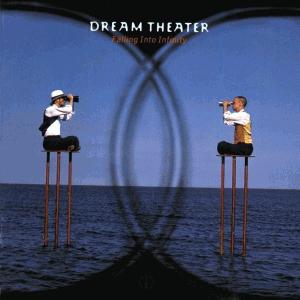
Dream Theater Falling Into Infinity


Tracklist:
1. New Millennium
2. You Not Me
3. Peruvian Skies
4. Hollow Years
5. Burning My Soul
6. Hell's Kitchen
7. Lines in the Sand
8. Take Away My Pain
9. Just Let Me Breathe
10. Anna Lee
11. Trial of Tears: It's Raining/Deep in Heaven/The Wasteland

Download - All Tracks <<< Click Here

Well, it goes without saying that this is the most criticized Dream Theater album to date. A lot of fans seem to jump onto the bandwagon of "This is an awful album" and so on, before they have actually listened to it and given it a chance. I will use a slightly different formula for this review. I will analyze the standout tracks, and provide comments on the individual contributions made to this album.

-The Standout tracks-

New Millenium – Starts off with a groovy, almost techno keyboard solo from Derek before Myung gives way for a very cool bassline. I think this track is the perfect way to open the album, as it basically sums up what the rest of the album will sound like. Derek is stamping his influence all over the songs here, and that is one of the main reasons why FII stands on its own amongst other DT albums. The vocals however are a let down, even as a strong LaBrie fan. This is mainly due to the vocal rupture he experienced in 94; we can see that he is struggling on this release.

Peruvian Skies – This song emphasizes the point that DT like to incorporate multiple styles into their music. It starts off with slow balladry, but before long builds up to a crescendo, with some of the heaviest riffing on the album. John P has a memorable solo here as well, and the vocals are actually very enjoyable. Unfortunately, as with most of this album, Portnoy is not delivering what we normally expect from him, but his double kicking in the bridge did make me smirk once or twice. Overall, it goes without saying that this is one of the stronger songs on the album.

Burning My Soul – For what ever reason, this song seems to be constantly bashed by DT fans. I actually find it very enjoyable however. John Myung kicks things off with a funky bassline, before John P joins him with some simple power chords. The lyrics are a little bit too faux-aggressive, but are delivered well by James LaBrie. Derek’s solo is very typical, and I find myself rocking to it. So overall, great song, and an underrated one.

Hell’s Kitchen – A DT instrumental, and a very fine one at that. This will be known as one of the most heartfelt DT tracks, and it is not hard to see why. It contains a gorgeous solo by John P, and John Myung delivers once again; it is so good to see the bassist actually act as a frontman in the album, rather than a supporter. It runs at only 4 minutes in length but still feels complete. With most DT tracks they do tend to be guilty of just meandering along but not this one. A terrific track.

Anna Lee – It seems to me that most people who don’t like FII don’t like this track. It is actually one of DT’s most ignored, underrated tracks they have written to date. The vocals and lyrics are the standout for LaBrie on this album, but the man who really makes this song is Derek. It is funny how after the two keyboardists left the band, they left songs for us to remember them by. (Kevin Moore left Space Dye Vest, Derek this song.) Anyway, John Petrucci once again shows us what he can do by not playing just a fast, shredding solo but a very passionate one. It is a shame he doesn’t keep that formula with his solos these days. Well I have rambled enough; this is arguably one of the Best ballads DT have ever come up with.

-Individual contributions to the album-

James LaBrie- – Falling Into Infinity will certainly not be known as the LaBrie album; as I previously mentioned, his vocal rupture did take a toll on his voice here. As a result he does not show as the range we have grown used to hearing from him. However, the lyrics in Anna Lee are written by him and are actually very touching. His vocal work compliments the lyrics very well in Burning My Soul also, and he is solid in Peruvian Skies. Other than that, he is rather underwhelming and does nothing of note. Did not help with the songwriting process.

John Myung – The bass is definitely louder in the mix, giving John more time to shine. He delivers in almost every track here, and for an aspiring bassist I found Falling Into Infinity to be an album I will look back on. He provides lyrics for Trial Of Tears, and while they aren’t as good as Learning to Live, are still very professional. It is a shame he does not write more lyrics for the band. This album here could possibly be considered a highlight for John’s career, along with Images And Words.

Derek Sherinian If you have ever seen the guy perform live, he really is a rocker. Did not provide any lyrics, but his keyboard playing more than makes up for it. He almost has a jazzy, techno sound to his keys which gives FII a whole new sound. Very interesting. It is a shame he did not leave on a higher note, as many fans consider FII Dream Theater’s worst effort.

Mike Portnoy – Unfortunately Mike does nothing of note on this album, which is very atypical for him and the band. His fills simply are not up to par with his other albums, which is a shame really. One feels the album could have been much stronger had Mike put more effort into his drum fills.

John Petrucci – While his lyrics are mediocre at best, his playing makes up for it. He uses more melody in his solos, and as a result they have more emotion. Often when I am listening to this album, I feel that the only thing keeping FII together is John Petrucci. Highlights for him in this album would surely have to be Peruvian Skies and Hell’s Kitchen.

So to conclude, this album consists of Dream Theater at their best, and Dream Theater at their worst. Songs like You Not Me, Lines In The Sand and Take Away My Pain are among the worst songs the band have ever come up with, but on the other side of the spectrum, Hell’s Kitchen, Peruvian Skies and Anna Lee are among their best. For beginners to DT’s music I would recommend steering clear of this album, as it simply is not consistent enough to grab you. For everyone else, get in! It is a DT album so with it we get the odd time signatures, long songs, and dissonant riffs we have grown used to hearing over time.

All the Empires of the World ...Will Be Laid To Waste


Tracklist:
1. ...Will Be Laid To Waste

Release Date: 05/12/2008

Download - All Tracks <<< Click Here

It begins with nothing but a light sprinkling of atmospheric noises and sounds, interspersed with random notes and clicks. It goes on like that for a while, slowly building momentum and creating just the tiniest bit of tension and suspense. The first five minutes, you are expecting a Brian Eno song almost, light in its delivery as it may be. Then, after a few innocuous snare hits, you are hit with a thunderous and heavy as hell guitar riff. It hits you out of nowhere, assaulting you from every which way. The song has all of the sudden turned into some sort of dissonant sludge metal guitar fest. Then, as quickly as it started, it all goes away, and we are brought back to the quite calm that we had grown accustomed to at the beginning.

All this in the first third of the song.

All the Empires of the World …Will be Laid to Waste is the first true recording they have made, they being All the Empires of the World and the recording being …Will be Laid to Waste. A mix of post rock, slight electronica and a big dose of sludge metal, All the Empires of the World recorded this EP (which contains only a self titled track) within a few months of their inception, and the result for such a short amount of time is astounding. While the one song, clocking in at an astounding 21 minutes and 36 seconds, does tend to drone on for too long a period at a time, the fusion of all the separate parts is top notch.

The song doesn’t vary itself too much in the traditional sense. Its made up of soft, ambient electronic passages, heavy sludge face rips, and then dissonant post rock/metal sections reminiscent of Neurosis or Pelican. You wont find much outside of this, but within all that the members of the band show off their immense talent, particularly in the area of drumming. The songs 22 minutes don’t fly by, but you aren’t left trying to pick out what they should have left out either, just appreciating the good things you just heard.

There isn’t much else to say about …Will be Laid to Waste. It’s a relatively short record (or relatively long song, depending on how you view things). I could discuss the jam near the end of the first heavy part, but that would only spoil the record for you by going into specifics. If you are a fan of long, drawn out post rock numbers and can appreciate some heavyness in your fairy music, you’ll dig the hell out of this. If you love droning sludgey tunes but can deal with some build up and anticipation for your bro-tunes, you’ll love this EP. If not, I’m still going to recommend it, because its one of the most promising songs from the first half of 2008.

Arkhon Infaustus Hell Injection


Tracklist:
1. Brethren of Flesh
2. Domination Xtasy
3. Dead Cunt Maniac
4. The Ominous Circle
5. The Silent Voices of Perversion
6. The Whorehouse Coven
7. Hokus Demons
8. The Black Succubus' Whores (Nuclear Version 6.66)
9. Ineffable Hell Commander

Release Date: 2001

Download - All Tracks <<< Click Here

Look at the song titles on this one! Wow! 'Domination Xtasy' 'Dead Cunt Maniac' 'The Whorehouse Coven'. We can see that, obviously, this album is going to be wicked cool! Hell, I don't even need to listen to it, I'm just gonna read the lyrics because that's just the kind of trend-following ***-swallowing 14 year old fan boy I am!

Arkhon Infaustus do not understand extreme metal. They see brutal death metal bands singing about gory ***, they see black metal bands singing about perversions and Satan, and they think, if this is all we need to be in the metal in crowd, let's just watch a few 80s exploitation movies, waltz down to the studio and show everyone just how hip we are! They look to the almighty Witchmaster, and they say to each other 'wow, this band sings about bizarre sexual acts and drug use, and people say they're elite, let's do that!' As they don't understand metal, they don't realise that Witchmaster back themselves up with (a ***ing LOT) of musical merit.

On Hell Injection, recycled Norsecore riffs meet Belphegor's musical ideas and occassionally collide with some death metal influences as well. The aesthetic of course is lifted straight from Witchmaster. Seemingly unable to decide whether they want the listener to headbang or be immersed in their atmosphere (which they don't have), and completely void of originality, talent or song-writing ability, AI as expected manage only to come up with 40 minutes of boring derivative garbage that could only appeal to the demographic defined at the beginning of my review. Not only this, but the lazily written, ill-thought out end product does nothing but betray AI's trendy intentions.

While this kind of music can at times be hidden partially behind poor production, AI decide instead to use a pretty high standard of production (for black metal, at least), the clarity of which provides no mask for their unenthusiasm for this genre. Whether they are the kind of people that want a bit of spare cash, or whether they are the 'music isnt good or bad! surely someone will like this' brand of faggots that think the idea of subjectivity justifies making music, is unclear. Unfortunately the band is still active, having the honour of Terrorizer magazine putting Orthodoxyn in their top 40 or whatever for 2007. To wrap it up, this is a musical abomination, I mean that in a bad way, and is only for the brand of trend-seeking queers that can easily find it packaged with the likes of Watain and Behemoth in a torrent for their convenience. Thankfully the album is coming to a close, and I'm gonna go look up some porn now seeing as my hetero levels have been drastically decreased as a result of prolonged exposure to Hell Injection.

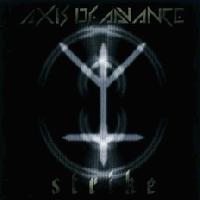
Axis of Advance Strike


Tracklist:
1. Evanescent Judgement of the Last Era
2. New World Ruin
3. Primeval Expansion
4. Absolute Conviction in the Accolade
5. Structural Interpretation Via Superfluous Union
6. Curtailing Factors of Interference
7. Nix the Sphere

Release Date: 2001

Download - All Tracks <<< Click Here

Sacramentary Abolishment was at least good in parts. The faggot tendencies that would define Axis of Advance were less frequent and when they did occur were masked by the lo-fi production. But now, 4 years later, as Axis of Advance, they've taken everything bad in what they've done in the past and made an album of it, and given it a production they can't hide behind.

Some people like to think that this is in the same vein as Conqueror, Revenge, etc. The kind of people that like the image of those bands but can't find it on the internet so they pretend they listen to it and use the reviews on this site for their opinion of the band. Fortunately, the music of the greats of this obscure 'war metal' genre never thought their music should be nothing but Amon Amarth - The Crusher with faster and more chaotic drumming.

A bunch of ludicrous song titles: 'Evanescent Judgement Of The Last Era', 'Absolute Conviction in The Accolade' combined with sickening wannabe-epic riffage (as said before, ala Amon Amarth) can never equal anything but pure ***. The only resemblence this album bears to the genre it claims to be is the fast and chaotic drumming, and thus if you're a nu-metal fan you probably couldn't tell the difference between Strike and War Cult Supremacy. I guess that's what led to AoA being classified as war metal.

I can't think of what kind of fanbase Axis of Advance are hoping for. If you like war metal, or even straight up black metal, you're gonna find the riffs too cheesy and Gothenburg sounding for your liking. The drumming makes the music sound a bit too extreme for the kind of people that like the cheesy Gothenburg crap. The only conceivable fanbase they could have is of posers who like to namedrop to make themselves look good, or think that fast music is always elite. However, if you like music, if you like originality, or coherence, or extreme metal, or abrasiveness in music, then stay away.

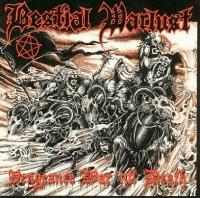
Bestial Warlust Vengeance War Til Death


Tracklist:
1.Bestial Warlust
2.Dweller of the Bottomless Pit
3.Satanic
4.Heathens 03:54 [view lyrics]
5.Hammering Down the Law of the New Gods / Holocaust Wolves of the Apocalypse
6.Storming Vengeance
7.At the Graveyard of God

Release Date: 1994

Download - All Tracks <<< Click Here

This is an extreme album, inevitably one that is going to divide reviewers into two distinct camps: those that worship it for the bestial, destructive black metal that it is and those that can't understand it as anything other than a wall of noise. While subscribers to the latter will try and rationalize this as Australia's response to Norsecore or in rare cases as a bad attempt at death metal, a more suitable comparison would be to Blasphemy and the likes of Beherit and Archgoat. It needs to be made clear straight away that this is a completely different strain of black metal to the typical Norwegian stuff.

If you're looking for melody, musical progression or accessibility then you'll be disappointed. Vengeance... uses Blasphemy-esque riffs with a greater emphasis on sounding evil and speeds it up a bit, a sense of chaos coming with that. It could be best explained as the exact mid-point between Blasphemy and Revenge.

The music is abrasive and requires an understanding of this style before one can really appreciate it. Many will write this off as obnoxious noise without realising that that is what Bestial Warlust set out to acheive anyway. If this is your first foray into this style of music, I'd recommend you jump back a few years to hear something less extreme like the bands mentioned in the first paragraph, or even forward to Abominator's Barbarian War Worship which is essentially a more catchy version of this.

Overall, it's a classic album that acheives everything it aimed for. Whether or not its intentions were to your liking is for you to decide, but there's no arguing that this band was more than able at what they did. If you don't like it, stay away from it. Remember the first time you heard death metal and it went straight over your head because it was so extreme? Bestial Warlust is like that. All over again.

MyChildren MyBride Unbreakable


Tracklist:
1. Faithless
2. On The Wings of Integrity
3. The Machinist
4. Headshot!
5. Boris the Blade
6. Severance
7. Versus
8. Waves of Oppression
9. Circle the Sky
10. Choke

Release Date: 02/26/2008

Download - All Tracks <<< Click Here

Originality appears to be fairly hard to find in modern music today. It seems that shortly before and since the turn of the century, most new styles or genres have either been variations on already established formulas (sung choruses in metalcore) or combinations of ones evolving on their own (the recent “deathcore” trend). Not too often do we find a band that is going to tread their own path in the untouched areas of originality.

Metalcore has become almost completely devoid of originality in recent years, with just about every band copying either Converge, Botch or Killswitch Engage (and perhaps somebody else). There doesn’t seem to be much one can do to be original besides adding electronic or symphonic elements. Just about everyone has been beating a dead horse for several years, and for quite some time it’s smelled really, really bad.

If you’re looking for interesting metalcore, well, look elsewhere. Unbreakable is easily one of the worst coma-inducing albums I’ve heard in a while, so much that getting in two full listens is a painful experience. If you think I’m exaggerating, let me state what might be its most fatal flaw: the breakdowns are the worst part.

The performances on Unbreakable are pretty forgettable at best. Yeah, MyChildren MyBride can play their instruments, but only with average skill in their genre. The guitarists come up with decent riffs for most of the album, but when they sound like just about every other guitar duo in the genre, it’s hard to find anything the two should be praised for. Close to half the guitar parts are palm-muted bottom string pedaling, and despite being parts of actual riffs, it’s a bit tiring how much the guitarists repeat themselves throughout the album. As with most metalcore bands, the bass is completely lost amidst the almost constant firestorm of guitars, drums and screaming. There are no clean, acoustic or melodic sections to be found on Unbreakable, and thus no opportunity to hear the bassist play on his own. Upon turning up the album full blast, it becomes clear that the bass simply follows whatever the guitars are doing.

To say that vocalist Matthew Hastings is bad is certainly too harsh, the man’s screaming is more than tolerable for the record’s 38-minute duration. However, he certainly exhibits little talent, barely changing pitch at all from the low growl/scream which helps drive the music. Drummer Brian Hood might just be the only talented member of the band, laying down a few good double bass patterns and backing his band with pounding percussion, quick fills and blast beats.

As mentioned before, MyChildren MyBride just cannot write breakdowns to save their life. Every one is played at the same tempo, with the drummer slowly hitting the same cymbal with the guitars chugging away. Instead of getting any sort of emotional rise out of the song’s climax, the exact opposite happens. Things would probably work better having a clean interlude every third or fourth track, since the verses end up being quite a bit more interesting.

“Well, what about the lyrics? Is there poetic genius being screamed amidst the chaos?” Not really. When lines like
“If seeing is believing then they've gouged out all their own eyes”
and “These waves keep tormenting, crashing down on everything I have left” constitute highlights among the rest of the lyrics, it speaks volumes about the mediocre quality of everything else. “Headshot!” is about – you guessed it – a first person shooter, more specifically, the insanely popular Halo.

“I am the master chief
No one can mess with me
Saving the world from catastrophe
Unleashin' BXR's and killing sprees

Let’s start a match, Team Slayer on Lockout
Battle rifles blazin', you're gonna get knocked out
Turn the corner, and im'a stick you right in da' grill
Gettin’ no scoped beat down, I’m one in a mill'

…Team skirmish CTF on Zanzibar,
Capturing flags, gettin’ my battle scars
Time to defend, I’m bustin’ heads with my shotgun
Second round secured, another battle won”

Being a writer myself, I can’t help but think of the epic scope and exciting opportunities the Halo universe provides, and “Headshot!” completely passes up the chance to be anything but immature.

I know that I’ve probably been beating the mediocrity of this like a dead horse, but upon a full listen to Unbreakable I hope others would agree. The ten songs contained within (which are more or less copies of each other) do nothing more than put one to sleep. We’ve seen it done before, much better by some and not [quite] as badly by most. To say that this is ‘average’ is too generous – it’s just plain bad in almost every aspect.

Norma Jean Bless The Martyr, And Kiss The Child


Tracklist:
1. The Entire World Is Counting On Me, And They Don't Even Know
2. Face : Face
3. Memphis Will Be Laid To Waste
4. Creating Something Out Of Nothing, Only To Destroy It
5. Pretty Soon, I Don;t KNow What, But Something Is Going To Happen
6. The Shotgun Message
7. Sometimes It's Our Mistakes That Make For The Greatest Ideas
8. I Used To Hate Cell Phones But Now I Hate Car Accidents
9. It Was As If The Dead Man Stood Upon The Air
10. The Human Face, Divine
11. Organized Beyond Recognition

Download - All Tracks <<< Click Here

Norma Jean is a name that has gained much notoriety over the course of the last few years. Hailing from the city of Atlanta, GA, this is the first and last Norma Jean record to feature vocalist Josh Scogin who went on to form The Chariot almost a year after parting ways with the band. They used to play a Nu Metal style under the name of Luti-Kriss, signed to Solid State in 2000, but changed their name and their sound drastically by 2002 when "Bless The Martyr And Kiss The Child" was released.

For a Christian act, Norma Jean is extremely dark and dare I say heavier than many Metal bands. The basis of this album is that almost every song is just one big, skull crushing breakdown with dissonant chords jumping at you from all directions. Very simplistic riffing is met with the growl of the aforementioned Josh Scogin. The riffing never gets too technical or inspiring but that's not the goal here. The goal is to be as loud and noisy as is humanly possible with a 5-piece band. The lyrics are almost indecipherable due to Scogin's throat and the same goes for the actual lyrics. Convoluted by metaphors and similes, the only thing you can take away from his poetry is that it is somehow referring to Jesus or Christianity in one way or another. If "Memphis Will Be Laid To Waste" didn't have the line "Christ is not a fashion, fading away" you would have no idea what it's about. A wonderful aspect to "Bless The Matyr" are the song titles, furthering the notion that Scogin really doesn't give a damn if the title matches what the track is actually about. He's quite clever, actually.

One of the album's most admirable traits is the song "Pretty Soon, I Don't Know What But, Something Is Going To Happen". Clocking in just shy of 16 minutes, this is an epic and atmospheric piece of material that tricks you into thinking it's an instrumental. The vocals don't kick in until about 6 minutes after it starts, building momentum the whole way until you just can't take it anymore. The song swings from moody melody, to thunderous chugging, to quiet, almost serene guitar parts. A complete contradiction to this is "Shotgun Message" which comes in right after "Pretty Soon" ends and is just over one and a half minutes in length. "Memphis Will Be Laid To Waste" is probably the most memorable with a riff just about every Hardcore fan boy knows and loves featuring guest vocals by Aaron Weiss, the vocalist from Mewithoutyou.

The intensity portrayed is not overdone and does not get old because they still have a sense of balance when it comes to their wall of sound. If they wanted to make pure noise they would have made a Wolf Eyes record, meaning there is a significant amount of dynamics being utilized making each track unique in its own way. On "I Used To Hate Cell Phones But Now I Hate Car Accidents" the group goes from Metalcore chaos to a laid back bass driven measure with what sounds like chanting in the background, only to finish you off with, what else, a breakdown... and actually one of the better ones of the entire effort. "Sometimes It's Our Mistakes That Make For The Greatest Ideas" is another song laden with atmosphere, its soothing nature constantly at odds with Scogin's scream while "The Human Face, Divine" starts strong and falls into an uneasy calm. I should also mention that "It Was As If The Dead Man Stood Upon The Air" is the counterpart, and prelude, to "The Human Face, Divine", both featuring the same riff and faring a similar vocal delivery. The closer, "Organized Beyond Recognition", stands out from the rest of the record, breaking the record's consistency with an almost Rush-like quality in the middle of the song.

Bassist Josh Doolittle, and guitarists Chris Day and Scottie Henry play well off of one another. Like I said before, the music is far from complex by way of notation. Their complexity is derived from the song arrangements. They pull off sudden stops and riff changes at every bend, going off time and destroying the tempo frequently. It takes a few listens to figure out what goes where and how many times a certain part is played before the next arrives which is mostly characterized on "The Entire World Is Counting On Me, And They Don't Even Know It" and "Face ; Face". I, personally, like this approach but some people may be turned off by just how often they steer everything in a completely different direction without warning. Another turn off could be the constant use of dissonant chords which, seemingly, never let up aside from a few places. You can even compare most of what they are playing to Every Time I Die's "Last Night In Town" released a year earlier which hurts the credit of them creating something new and different. The drummer Daniel Davison, who left the band in 2007, doesn't offer much by way of inspirational drumming but he is a solid musician and keeps things moving. His drum parts sometimes sound too much alike and this is apparent on "Creating Something Out Of Nothing Only To Destroy It", and "Pretty Soon, I Don't Know What But, Something Is Going To Happen". There are drum fills for both that sound almost identical. Nevertheless, he keeps up with the time signature perversion effectively, is efficient with his use of double bass and even has something similar to a blast beat on "The Human Face, Divine".

Norma Jean has become a staple in the Hardcore and Metalcore communities and, for a short time, had kids quoting a line from the breakdown of "Creating Something Out Of Nothing Only To Destroy It", "Like bringing a knife to a gun fight" on their Myspace accounts. Their popularity is a love hate affair. There are the fans who stuck with them after "Bless The Martyr", welcoming Cory Brandan as the new vocalist but then there are fans like me who can't stand anything they have written after Josh Scogin dispersed. I still hold this as a defining moment in the "Hardcore scene". This is the album that brought Norma Jean to the masses and if you dislike the rest of their discography you have probably already moved on to The Chariot like I have. I wish more bands had the creativity that Norma Jean had on "Bless The Martyr Kiss The Child". It's more than just noise. It's a groundbreaking debut that thousands of bands are still copying to this day.

Highlights: "Memphis Will Be Laid To Waste", "Pretty Soon, I Don't Know What But, Something Is Going To Happen", "Creating Something Out Of Nothing Only To Destroy It",

7/08/2008

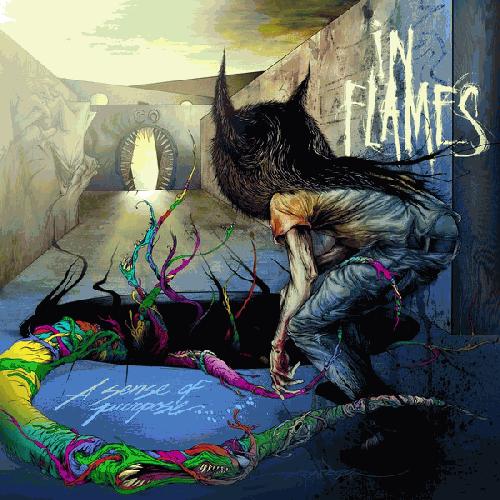
In Flames A Sense of Purpose


Tracklist:
1. The Mirror's Truth
2. Disconnected
3. Sleepless Again
4. Alias
5. I'm the Highway
6. Delight and Angers
7. Move Through Me
8. The Chosen Pessimist
9. Sober and Irrelevant
10. Condemned
11. Drenched in Fear
12. March to the Shore
13. Eraser (Japanese Bonus Track)
14. Tilt (Japanese Bonus Track)
15. Abnegation (Japanese Bonus Track)

Download - All Tracks <<< Click Here

In 1985 Coca-Cola changed its classic formula and committed one of the greatest sins in the history of soft drinks: The New Coke. Soon after it's release, Coca-Cola pulled the “New Coke” and order was restored to the universe in the form of Coca-Cola Classic. But lets imagine if the head honchos at Coca-Cola never brought back the old formula. What would you do? Would you learn to love the New Coke? Would you switch to Pepsi? Or would you become bitter, angry, and vocal about your lack of control over your once favorite beverage? Swedish melo-death pioneers In Flames have taken that latter path and with mixed results.

With the release of A Sense of Purpose, In Flames let us know exactly what they lack... A purpose. It seems as if In Flames went into the recording of A Sense of Purpose with the same apathy and malaise that many of their fans have after listening to any post-Clayman release.Which is strange because to me, "a sense of purpose" is what I thought they had found in Come Clarity. With Come Clarity it seemed that In Flames had regained their step after falling out of rhythm on Reroute To Remain and Soundtrack to Your Escape. While Come Clarity was far from perfect, it saw a return to the speed and melody that embodied In Flames in their prime. But just like Reroute To Remain and Soundtrack to Your Escape, A Sense of Purpose shows getting rid of what was intrinsically In Flames, the harmonies. Now in their place are hackneyed synth passages and down tuned nu-metal style riffing. In an attempt to grab the attention of the fans of nu-metal's corpse, In Flames have stuck it to their old fans, again.

Even at its best moments A Sense of Purpose just screams of a band playing it safe. While tracks like "The Mirror's Truth" and "Alias" stand out from the rest of the album, they still seem like Come Clarity B-sides. The rest of the album sounds like a rehash of itself. Sure, the songs are catchy, but they all run together and in the end I cant really tell them apart. Almost every song uses the same scream-sing-scream / heavy-soft-heavy structure that metalcore has been flogging to death for the last five years. I guess Victory records doesn't have a good distribution deal in Sweden, or else In Flames would know how banal and boring that writing style has become.

Anders Friden's lyrics and vocals have been progressively getting worse since the Clayman era and on A Sense of Purpose they reach a new low. His once powerful voice has been reduced to screaming such awful lines as “Oh I feel like **** but at least I feel something” in a frail, whiny, rasp. Anders' clean vocals sound like tired, feeble, whispers and for some reason are used frequently throughout the album. It just bewilders me that the man who sang on so powerfully on "Jotun" and "Food for the Gods" has been reduced to this.

I'm sorry to say it, but In Flames are out of any worthwhile ideas. They even admit it in the opening track of the album, "We are not even trying" shrieks Anders on "The Mirror's Truth". At least he's being honest.

I Between Two Worlds


Tracklist:
1. The Storm I Ride
2. Warriors
3. Between Two Worlds
4. Battalions
5. Mountains
6. Days Of North Winds
7. Far Beyond The Quiet
8. Cursed We Are

Release Date: 2006

Download - All Tracks <<< Click Here

I is the quaintly named project of Immortal frontman Abbath, formed two years after Immortal had split. Although described as a supergroup for consisting members of Gorgoroth (TC King, aka King ov Hell, King) and Enslaved (Ice Dale, aka Arve Isdal), it must be noted that Abbath is very much in charge of the musical direction here. Other Immortal links come in the form of former drummer, Armaggeda, and former guitarist and current lyricist, Demonaz, who provided the lyrics (the latter also came up with the name of the band). For their first album, Between Two Worlds, Abbath draws from the roots of classic metal and applies a black metal touch, resulting in a dynamic affair.

The selling point of the group and album is the cross over between black metal and heavy metal. In one corner, we have Abbath's famed raw vocals, and the shrieking guitar tones that characterise the black metal genre. In the other corner, standard heavy metal rhythms, semi-audible bass and more traditional metal drumming stand their ground. Riffs that propel the music are plentiful, providing strong opportunities for headbanging enthusiasts to show off their wares. Comparisons with classic heavy metal groups are very possible. There are Dio and Manowar moments, and Abbath's singing is reminiscent of Motorhead singer Lemmy's gruff half talking/half singing style. Shredtastic guitar solos are where you would predict them to be, and the extremities of black metal drumming are nowhere to be found.

Unfortunately, the combination is not as spectacular as one might expect it to be and for several reasons. Or more so, the execution of the group is not at it's full potential. The main concern is of Abbath's vocals. Case in study: on the track "Between Two Worlds", what should be a typical vocal ascent to a climax is hampered by Abbath's vocals which simply are not capable of great range, especially while maintaining the growl. One thing that I missed about Immortal-mode Abbath is the ferocity and grimness supporting the lyrics and overall feel of the music. As a result, you begin to hear the singer in the vocals, rather than the warrior telling his tale. It may very well be an issue of the tempo of the songs here not suiting his strengths, as the only two tracks that I felt Abbath provides this aura on are the faster tracks, "Battalions" and "Cursed we Are" (perhaps unsurprisingly, these two tracks could pass for Immortal works).

Another grievance I found in Between Two Worlds is that it is all too aimless. In absence of a grim black metal ethic, the listener is asked to tap into the old school metal vibe, but even that is lacking in essence - there is no attitude to feed upon. Demonaz's lyrics paint epic scenery, but without the support of harsh riffs and furious blast beating, the Northern realm doesn't seem so grand after all. Even after having given the album a numerous amount of listens, there are no memorable tunes to recall. Abbath and company seem to have developed the album on the unique mashup of genres alone, because there is not much else substance to draw upon.

The positive substances that exist tends to come in moments. The guitar solos closing out "Warriors" suit the song appropriately and provide a satisfying touch. TC King's bass work is generally positive, particularly shining with his fills on "Battalions" which are a very nice (and welcome) blast from the past. A tribute to the late Quorthon, "Far Beyond the Quiet" sounds very much like a Bathory track, with Demonaz having also written the lyrics with Bathory's style in mind. "Cursed We Are" is probably the highlight of the album for me, with music and vocals both in sync in achieving a riveting energy, its chorus the main selling point: "There's no essence! No future!". One has the feeling that I's music would best benefit in a live concert environment stage, with the aid of visual effects and a lively audience singing along.

Just as it is between two genres, Between Two Worlds is also directly between the poles of good and bad. The music won't blow you away, but nor will you be disgusted or bored by it. The novelty of the sound may be enough to appeal to the curious explorer. Ultimately, the album is a case of potential that has not been fully tapped into. Abbath could play more to his strengths, the music could be more creative and most importantly, there needs to be more energy. Hopefully, should I regroup to work on a second album, we will see a positive progression in their development.

Manilla Road Atlanis Rising


Tracklist:
1. Megalodon
2. Book I. The Rise (of Atland): Lemuria
3. Book I. The Rise (of Atland): Atlantis Rising
4. Book II. The Fall (of Atland): Sea Witch
5. Book II. The Fall (of Atland): Resurrection
6. Book II. The Fall (of Atland): Decimation
7. Book III. Bifrost (the Rainbow Bridge): Flight of the Ravens
8. Book III. Bifrost (the Rainbow Bridge): March of the Gods
9. Book IV. The Battle (of Midgard): Siege of Atland
10. Book IV. The Battle (of Midgard): War of the Gods

Release Date: 2001

Download - All Tracks <<< Click Here

I find it surprising that Manilla Road is a band which has never received much attention here in the US, considering all the diehard metal heads we have all over the place. but then again Diehard metal heads typically don't have a big motivation to listen to anything other than Judas Priest, Def Leppard, AC/DC, and Motley Crue. Manilla Road has somehow found a way to stand the test of time, thanks to dedicated frontman Mark Shelton, surviving since the late 70s on nothing but determination, a cult European Fanbase, and being so intense that they must eat Nails for breakfast. METAL NAILS!!!

at anyrate, Atlantis Rising, the first album after the reformation of the band with a new line-up after its long hiatus, shouldn't dissapoint any fan of metal. Despite being off the radar for most of the 90s when Grunge and Alt Rock ruled the charts, Manilla Road burst forth from whatever cave they were hibernating in with a Jawdroppingly metal concept for a metal concept album. Basically, what happens is that thanks to some spell or another, Atlantis has risen from the sea and is on top of the world until some witch kills the king and summons Cthulhu. Then all hell breaks loose as his dreaded star spawn break free from R'yleh and generally mess things up for everyone. Now, here is where it gets awesome because The NORSE GODS, yes you read correctly: Odin, Thor, Baldr, Freya, Tyr, etc etc etc hear about all the crazy *** going on down on Midgard and they're like "Ahhh Hell no!" so basically, the norse gods go and lay siege to Atlantis which is controlled by Cthulhu's Minions and then they fight through the city and then have an epic battle with Cthulhu, after which he and his minions are all banished back to the darkness from which they came. INTENSE!

thankfully, the instruments accompanying the recitation of this grand epic are played quite well and the actual songs are pretty awesome for the most part. some people will be turned off by how long some of the songs are as well, breaking the 8 minute mark twice on the album.

Some fans were undoubtedly dissapointed with this album because it sounds very different from Manilla Roads earlier stuff. I personally love the change of direction, as it goes for a more modern and heavier sound; this should be understandable to people considering that a period of time has in fact passed since the late 70s, something which metal heads often fail to realize. At anyrate, Manilla road can certainly throw down with the best of them, with excellent drumming, bass playing, and of course Riffage and guitar pyrotechnics from Mark Shelton. Mark's guitar style on this album is something of an experiment in appropriate dissonance, his solos on songs like Megalodon and Decimation are somehow chaotic, yet planned out, but shredded so fast you don't know how he could have any idea what he's doing. This album does have it's fallbacks. The two quiet songs that come near the beginning and near the end seem like an unecessary addition just to fit them in in order to keep the concept going, and they come at inopportune times to sap some of the momentum thats been gathering.

Recommended songs:
Megalodon
Atlantis Rising
Sea Witch
March of the Gods
War of the Gods

Batalion d'Amour Niya


Tracklist:
1. Niya
2. Engraved Words
3. Toksyczna
4. Czarne Slonca
5. Przed Switem
6. Dotykajac Zluden
7. Ranny Aniol
8. The Shadow Side of God
9. Ona Mowi
10. Dialog Z Nostalgia
11. Melodia Mgiel
12. Dream On

Download - All Tracks <<< Click Here

The whole melodic metal/hard rock with operatic female vocals has been terribly overdone. It’s unfortunate that there will always be people who suck up all the repetitive crap the genre spawns, and it’s again unfortunate for us because this gives albums like Batalion d’Amour’s Niya reason to exist.

Going into details with Niya would simply be an exercise in monotony, as is the album itself. The album comprises of 12 tracks, all of which follow similar structures, meandering around with almost no technical vigor, and hardly a good melody. One could have forgiven Batalion d’Amour, had they at least built their songs around an interesting melody or two, but unfortunately, the bulk of the album is a chore to listen to. Sure, you may come across one or two tunes or riffs that are somewhat appealing, such as I did with a short and simple guitar riff in ‘Dotykajac Zludzen’, but on the whole the album is hardly anything special.

It’s an obvious fact that for any band like Batalion d’Amour to be successful, the singer has to be good. Karolina Andrzejewska sits at the helm of Batalion d’Amour, and she is decent, but it’s important to remind ones’ self that she is one of many. Many, many, many, many. It is in this regard that her contribution to the album really makes no difference. If she was the best singer I had ever heard, perhaps, but she has a pretty typical, deep and operatic voice, much like the singer from every other folk/melodic metal band from Eastern Europe. She also hovers around the same pitch for pretty much the entire album, adding to its repetitive nature.

The one thing I can say in favour of the album is that they have a number of songs in their native language of Polish, which is always nice. I personally think it adds a little mystery and intricacy to any album, but I’m sure there’d be some people who would disagree. Nonetheless, I found it odd that only half of the songs were in Polish, and the other half in English, as is evident from their track titles. It was bad enough that the music was a failure, but the one thing the album had going for itself is only half good as well.

Niya came to me out of obscurity, and thankfully that’s where it will remain. The album is a dull and lifeless, void of any thoughtful hooks or even melody. I’d hardly think anyone reading this would ever be in a situation where they would find or hear about this band, but if it ever happens, make sure to keep this review in mind!

Tiamat Sumerian Cry


Tracklist:
01. Sumerian Cry, Pt. 1
02. In the Shrines of the Kingly Dead
03. The Malicious Paradise
04. Necrophagious Shadows
05. Apothesis of Morbidity
06. Nocturnal Funeral
07. Altar Flame
08. Evilized
09. Where the Serpants Ever Dwell/Outro: Sumerian Cry, Pt. 2
10. The Sign of the Pentagram

Release Date: 1990

Download - All Tracks <<< Click Here

Tiamat was an early entry into the barely developing doom genre back in 1990 when they released their debut album, Sumerian Cry. Much like Paradise Lost who also released their debut album that year, Tiamat’s first release was an underdeveloped collection of ideas that short of setting the elements in place for future doom bands has very little in the way of redeeming qualities. Unlike Paradise Lost, though, this album had a more extensive collection of ideas and elements to use in order to try to release something interesting; although they failed anyway. What ended up coming from those elements is an album that pulls just as often from the speed of death metal as it does from the slower pace of the doom scene, over which is added the occasional goth melody or keyboard part, and all used to achieve stunningly mediocre results.

I know I keep comparing this to Paradise Lost’s album that was released the same year, but again, like Paradise Lost, this album starts with the metal-standard useless intro except this one at least manages to use keyboards and acoustic guitars and not just sound like noise, but the end result will be the same; indifference. In what will be my last reference to Paradise Lost’s debut (I promise) the riffs on this album all seem to be pulled from the same minimalistic collection of fuzzy power chords except that they are occasionally sped up to accommodate the larger death metal influence found on this album. Despite the fact that Tiamat felt compelled to add more elements to their music such as the occasional keyboard part and a greater use of dynamics through their transitions from slow doom sections to faster death metal sections the album still turned out to be a horribly mediocre and redundant affair.

The redundancy that this album is so guilty of cannot be entirely attributed to the use of a few generic riffs used repeatedly over the course of the album; there are other guilty parties here as well. Another guilty party in this exercise in mediocrity is that of their drummer. His playing is painfully basic and boring; from the hollow thuds of his unchanging faster parts to the standard time-keeping of the slower parts, he never manages to even sound average let alone interesting. Literally every fast section on the album has the same redundant pounding, causing songs that already have very little in the way of individual identity to have even less. When your entire backing band is excruciatingly sub-par you as a vocalist have two options, don’t try hard because they’re not or try to pull the quality up on your own.

Johan Edlund, it seems, chose to go with the first choice and try to be as generic as possible as well. His growls are some of the worst I’ve heard in the genre; they are neither powerful nor interesting. Throughout the course of every song his growls are weak, monotone and don’t even vary in volume, let alone pitch. When you combine the repeated use of generic, lifeless riffs with dull, redundant drumming and add over it all some of the most monotone and weak death vocals I’ve heard and you’re left with an album that takes an act of will to not just shut off by the third or fourth track. In case you’re wondering about the keyboards I mentioned earlier, they are as ineffective as everything else, but are thankfully used sparingly since quite often their inclusion in any song is laughably bad.

Despite releasing one of the earliest doom albums there is a reason that no one really considers Tiamat a forerunner or even an originator of the doom scene, and it is because all three of their doom/death albums were horrible. The riffs were consistently generic and undeveloped, as was the percussion, and somehow the vocals continued to get worse from one album to the next. I can safely say that regardless of how much you love doom or death metal or even future releases from this band, you need to avoid this as it is a total waste of your time and effort. On their debut album Tiamat somehow managed to release one of the worst albums the genre has to offer, and what’s more is that they somehow managed to gain fans through this garbage. The only thing I have to say is that anyone who has followed Tiamat since their debut has much more loyalty then I do.

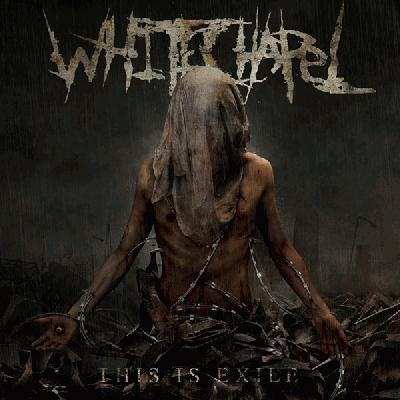
Whitechapel This Is Exile


Tracklist:
1. Father Of Lies
2. This Is Exile
3. Possession
4. To All That Are Dead
5. Exalt
6. Somatically Incorrect
7. Death Becomes Him
8. Deamon (The Procreated)
9. Eternal Refuge
10. Of Legions
11. Messiahbolical

Release Date: 07/08/2008

Download - All Tracks <<< Click Here

When Whitechapel released The Somatic Defilement in 2007, they happened to do so right in the middle of the huge deathcore movement. Hundreds upon hundreds of bands came out of the myspace ranks sounding scarily similar, a lot of them getting signed and going straight on the road. Whitechapel's The Somatic Defilement was not a bad album to say the least, but it just didn't pack as big of a punch as they were aiming for, releasing it on Seige of Amida/Candlelight Records and gone straight on the road. Having since then gotten signed to Metal Blade records and are now releasing "This Is Exile" through them. In all respective aspects this album is everything that The Somatic Defilement should have been, and was aiming for, its more intense, the music is much more full and rich sounding, and they seem like they are really growing as songwriters, refining their sound into a much more slick and overall more satisfying sound than heard on previous releases.

The first thing I'll mention is the absence of a lot of things used on The Somatic Defilement that are not used on this album. Phil's vocals have improved much, gone are the misplaced pig-squeals, (there isn't one on the entire album) that have been all but played out by bands like Job for a Cowboy and All Shall Perish. The sometimes ludicrous lyrics that were on The Somatic Defilement are now gone, Phil is not writing about dismembering and defiling women anymore, which is a much needed change. Don't get me wrong I love some of the callouts and lines he came up with on The Somatic Defilement but they sounded very juvenile sometimes and didn't really do anything to further the music itself. His writings have become a bit more universal as to include more of his hatred for humanity. The lyrics are probably the weakest point of the album but it is nice to see that he is at least trying to branch out of doing the same thing over again and trying to progress.

Another thing that is all but gone are what I liked to call the transition by guttural parts, where the band would just use Phil's lowest guttural growl to signal a breakdown or as a transition between different riffs and parts. They were much overused on The Somatic Defilement and I am glad to hear that they can go through an entire album without using this technique as a crutch. Another thing that isnt gone, but has gone through a few different changes are the breakdowns on this album. Of course Whitechapel still is considered a deathcore band and yes they still have them, but they are used much more sparingly and they go for more the 'tech' breakdown feel, rather than the straight forward ones we heard on The Somatic Defilement. Songs like "Somatically Incorrect" start out with what you would call a breakdown but quickly turn into one of the heaviest songs on this album or any of their previous works.

The musicianship on this album is really wonderful, it showcases that these guys have progressed as players and as songwriters since the release of their last album. The one thing that sets these guys apart from other deathcore bands is the presence of three guitarists. Normally a full guitar sound comes from two guitarists one doing rhythm tracks and one doing lead, occasionally switching shoes once and a while, Whitechapel have a even more full and hard hitting guitar section than most bands in the genre. While two guitarists can play what the song demands and give the music the already full and complete guitar scope another player can add more accents and give the music an extra boost of melody, on songs like Death Becomes Him, and can give extra crunch in songs like This Is Exile, Somatically Incorrect, and Possession. The having of three guitarists seems like an unneeded commodity when you first hear it but after you hear some of the guitar structures and rhythm on this album you might think twice about it.

The bass on the album is (like most releases) barely audible, with moments of it shining through in the mix and adding an even more full sound. I just wish they had more consistency with it and had it pulled forward more in the mix. The drums are nothing short of pummeling, Kevin Lane does an amazing job, bringing blasts, groove and some suprisingly technical fills and beats to the mix as well. He really shines on songs like Possession, To All That Are Dead, Eternal Refuge, and the epic closing to the album Messiahbolical. Songs like Of Legions and Death Becomes Him have a much different feel to them such as the introduction of some atmospheric sounds and eerie sounding guitar lines and structures, containing no vocals it is nice to hear them actually have some music for the interludes between songs other than just putting in some creepy sounds and calling it a song (Job for a Cowboy "Genesis".) Also if you listen to Exalt closely there is a guest appearance from Guy Kozowyk from The Red Chord, which (in the middle of the album) was nice suprise to hear.

Altogether This Is Exile succeeds in every way shape and form that The Somatic Defilement didn't, the music sounds much more full and complete, the lyrics are better, if not a little lackluster, and the vocals have matured past the pig squeals and the sections where Phil just seemed like he was trying to see how low he could growl. A big thing for bands in between releases is the absence of progression, a lot of bands (especially in this genre), do not progress from release to release. They may have one or two songs that go out and try something new but I don't see the point in releasing the same album twice. Give fans something new to hear, sure you will have to live with the fact that you will probably alienate some of them cause music fans always want their favorite bands to never change at all. But I feel that Whitechapel have successfully made an album that not only builds upon what they had created on The Somatic Defilement but also strikes out in a new direction, and into unfamiliar territory for the band. Now I know that the majority of people will probably write this off as 'just another deathcore release from a mediocre band' but I really think that people should give it a chance, if not, you're missing one hell of a good album.

7/07/2008

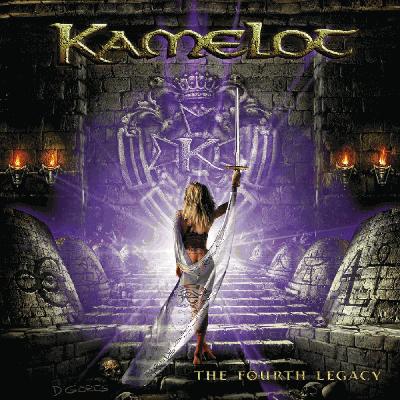
Kamelot The Fourth Legacy


Tracklist:
01. New Allegiance
02. The Fourth Legacy
03. Silent Goddess
04. Desert Reign
05. Nights of Arabia
06. The Shadow of Uther
07. A Sailorman's Hymn
08. Alexandria
09. The Inquisitor
10. Glory
11. Until Kingdom Come
12. Lunar Sanctum

Can You Remember? (japanese bonustrack)

Download - All Tracks <<< Click Here

The year 2000 was a pretty big year in metal. We witnessed the return of Bruce Dickinson to Iron Maiden. In Flames releases their last amazing album in Clayman and power metal giants Nightwish, Hammerfall, Helloween, Stratovarius, and Rhapsody release their latest outings. Another lesser known power metal band releases their recent record though. Kamelot's The Fourth Legacy truly started this band's journey to the top of the power metal world. After picking up Roy Khan in 1998 and recording Siege Perilous, Thomas Youngblood and company were ready for bigger and better.

The Fourth Legacy has a variety of different style songs within. From the speed of traditional power metal, to the obligatory ballad, to even Middle Eastern influences, this is a musical treat for power metal lovers. Frontman Roy Khan adapts to these different styles to give the listener something truly remarkable. Khan's operatic vocals (he was an aspiring opera singer) stand on top of Mount Olympus while the rest of the band on mere mortals on earth. Now Thomas Youngblood, Casey Grillo, and Glenn Barry are all marvelous musicians, but Khan reaches a level of vocal prowess that is only topped by Daniel Heiman.

(note: The album's track listing says that this is a 12 song album, but two of the tracks are more opening preludes to the song right after.)

New Allegiance opens up this power metal marvel with a 50 second instrumentation. We then enter hyperspeed with the title track, which also happens to be my favorite Kamelot song. Everything about this song is perfect. The riffing is phenomenal, the bass is actually audible, and the drumming is fast and furious. Roy Khan is the standout though. He does "fly like an eagle from oblivion" with his performance. If you listen to the chorus and it doesn't get stuck in your head, then you should not be listening to power metal. The solo of the song is also the best solo on the CD. Youngblood shows he is able to shred with the best of the best. Cue another epic chorus and you have yourself a power metal classic.

Sadly, we never reach the greatest of The Fourth Legacy on the rest of the album. Silent Goddess makes this fact because it is a bland song. This is a progressive/power metal song, and I just don't like the placing of it. In fact, the progressive sound songs are the most bland, but Lunar Sanctum and The Inquisitor actually have catchy portions to make tolerable and even good.

The remaining songs are more or less on equal level to each other, aside from Desert Reign and Nights of Arabia, which make up the second best song on here. The Egyptian feel and the lifting chorus make me drool because I absolutely love everything Egyptian. We get the same type of feel in Alexandria, but it doesn't reach that pedestal of Nights of Arabia.

The final four songs are split up into two parts: power metal and ballad. The earlier give a sense of rawness to the band, while being extremely catchy in the process (The guitar in Shadow of Uther is the prime example). With the ballads, we get the softer yet amazing vocals of Roy Khan. The passion that he exhibits during the ballads is unmatched by many. Though he would top himself with Abandoned on The Black Halo, Glory is a tear jerker.

Kamelot's second effort with Roy Khan on vocals proves to be my favorite. They started to drift and started to lose their power metal edge that was present on here. The Progressive/Power metal genre works perfectly for Kamelot, but going back to the sound of the early days would be a satisfaction for me.

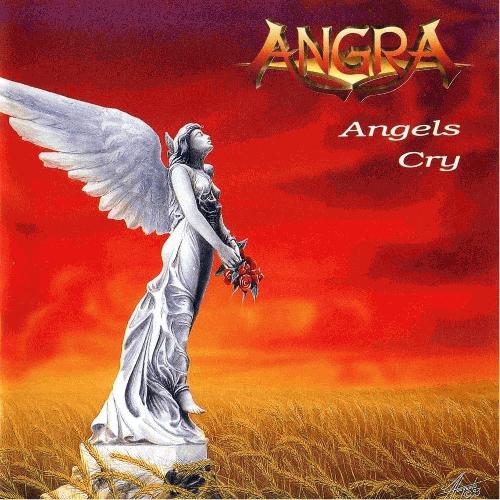
Angra Angels Cry


Tracklist:
1. Unfinished Allegro
2. Carry On
3. Time
4. Angels Cry
5. Stand Away
6. Never Understand
7. Wuthering Heights
8. Streets of Tomorrow
9. Evil Warning
10. Lasting Child

Release Date: 1994

Download - All Tracks <<< Click Here

When this album was released, the rest of the metal world was gradually and tentatively incorporating classical elements in the frame work of metal songs, but Angra's
Angels Cry was the first full-blown fusion between classical music and the speed-obsessed genre of power metal. Bands like Celtic Frost, Dream Theater, Blind
Guardian, and even Ozzy, were dabbling in classical textures, but that doesn't explain why there is such a large proliferation of bands releasing albums in this style
now. 'Angels Cry' is really the origin of this whole explosion, for better or worse.

The songwriting on this album is mainly the work of singer/keyboardist/orchestral arranger Andre Matos. Guitarist Rafael Bittencourt makes a contribution on the
songwriting front with Matos on five of these ten tracks, but Matos is the real force behind this album. His vocals are rediculously high-pitched, and guaranteed to
annoy some people. He is strongly influenced by well-known singers like Bruce Dickinson and Michael Kiske. He doesn't quite have the commanding power of
Dickinson or the gay (in the non-homosexual sense) intonation of Kiske, but that is for the better on this album. His vocals perfectly fit the music, and he proves to
have a diverse enough range and strong emotional articulation so as to not totally get on your nerves like many power metal vocalists.

Musically, there is a lot going on; like any good power metal album, they are not just sticking to a formula. After the soon-to-be-obligatory classical intro ("Unfinished
Allegro"), the warp-speed melodic metal of "Carry On" races away, but its symphonic breakdown really foreshadows what this album will not be about: generic
speedy power metal. The breakdown is very dynamic, even though it is played by Matos on keyboards, and the guitars are working in tandem with the classical
elements instead of just being another layer. Matos' vocals also reach their peak in terms of how high pitched the guy can physically sing. Definitely the highlight of the
album.

The next track, "Time," is also noteworthy because it is the first to introduce the Brazilian elements on this album, which would play a bigger role on tracks like
"Never Understand" and "Streets of Tomorrow," helping give them distinction, as well as on the next Angra album 'Holy Land.' The other interesting 'event' in it is the
nearly inhuman way Matos stretches and harmonizes his vocals at 1:24. It really is something to hear. See, even total pussies can have amazing talents!

Also in need of mentioning is their cover of Kate Bush's (!) "Wuthering Heights." Although Matos' accent makes it difficult to understand all the lines (this happens
elsewhere on the album, believe me), it is still up to the standard of the original, and strangely fits in this album. I mean, Matos pretty much sings at the same register
as female singers anyway, so he can pull it off quite well. And there is a very soulful little guitar solo that might just bring a tear to the eye of anyone who's had to sit
through too many shred-power metal albums (I'm looking at you, Dragonforce, and you too, post-Matos Angra!).

Elsewhere, the hit-to-miss ratio is remarkably high. You would think that there would be at least one dud, this being a power metal album (a genre very susceptible to
serious inadequacies at times) and all, but the only real problem I can see is their is a general aura of pretentiousness which continues all the way through to the closing
track "Lasting Child." I won't bother with a complete track-by-track, song ratings are below.

'Angels Cry' also benefits from a near-perfect production job for 1993. You can actually hear the bass and the guitars don't sound messy or anything. I suspect this is because
of how meticulous guitarists Kiko Laureiro and Rafael Bittencourt are with their riffage and melodies. The riffs may be too 'lite' for some heavy metal fans, who might
think they are being too accessible, but guitars really aren't the focus of 'Angels Cry.' As I mentioned earlier, the guitars aren't independent of the orchestral
arrangements. They are used in ways that are necessary, instead of taking the whole album on their back, if you catch what I mean.

Those with an interest in power metal, neo-classical metal, will find much to love about this album. Frowning metal heads and shred freaks may not. Normal people with a stomach for occasional pretentiousness and a mild interest in melodic metal should definately take a listen.

Trouble Simple Mind Condition


Tracklist:
01. Goin' Home
02. Mindbender
03. Seven
04. Pictures Of Life
05. After The Rain
06. Trouble Maker
07. Arthur Brown's Whiskey Bar
08. Simple Mind Condition
09. Ride The Sky
10. If I Only Had A Reason
11. Beginning Of Sorrow


Release Date: 03/12/2007

Download - All Tracks <<< Click Here

Trouble pick up right where they left off in the mid-90’s, like the only thing separating their last recording and this new effort was an extended bout with the ‘bong’ in the back of some smoke-filled, black van. And, what is it about Trouble’s brand of Stoner/Doom that conjures up images of bongs and black vans anyway? It’s rather intangible, isn’t it? But, whatever ‘it’ is, it makes you want to indulge a little ‘green’ every time that CD goes in the deck and you hear this band churn out its patent low-rumble of dismal gloom. Which is a kind of strange and subversive effect to have on the audience since Trouble is an ‘out and open’ “Christian” Rock band. Notice that I didn’t say Christian-Rock band. But, one would need to dissect and liberally interpret (stretch) the lyrics to find a Christian slant for these guys. Their religious penchant is definitely not readily apparent in those fuzzy, low-end distorted guitars, that desperate and despairing vocal delivery, or the slightly muddy production value. The output of a model ‘C-R’ band is stereotypically uplifting and life-affirming. Trouble’s music, while being infectiously catchy, is still quite somber and even reminiscent of the unpleasant business of death. But, the incongruity between their beliefs and their actions doesn’t even really come across as hypocritical, just funny. And, even a tad funnier when high.

So, you would think that adhering to a secular path would have had a significant, positive impact on this band‘s overall career trajectory. But, you’d be wrong. After maxing out their initial sound on the Metal Blade label and wallowing in a three-year period of inactivity and inner turmoil, the band was snatched up by Rick Rubin and the Def American label in 1990. The result of this union was a more focused and refined sound for the band. Trouble retained its trademark thick and lumbering character, but now the tendency was towards experimentation. On the next three albums, the group would explore several different styles and manners of approach, directions which were not attempted on the first three recordings. Yet, disappointingly, the improvement in versatility and overall output would not translate into record sales. While the songwriting had been upgraded, and by a decent margin I think, it might have been at the expense of the band’s raw, primal and earthy power, which in turn might have accounted for the very essence of this band’s charm for many of the early fans. Also, this period of growth was made manifest during the height of the Grunge-era. And, during this timeframe, scores of young people were abandoning long-held tastes in favor of the leaders of this new genre. But, to my ears and eyes, the band’s failure to break out on an international level was more a matter of bad luck and poor publicity. I would agree with the commonly accepted ‘bad timing’ assessment, if not for Trouble’s core sound being highly compatible with Grunge’s own down-tuned sludge factor.

So, by 1995, and the release of their last album, ‘Plastic Green Head’, the band seemed to have all but one limb in the proverbial grave. A long period of inactivity would follow and no one in the Metal community would be anticipating any sort of reunion or creative resurgence for these guys, anytime soon. The band had reassembled for a few live gigs since the turn of the new millennium, but no word was forthcoming about a possible, new studio recording. Then, boom! Twelve years has passed and a new Trouble album was quietly unleashed upon the world. In many ways, ‘Simple Mind Condition’ is the logical descendant to Trouble’s self-titled, debut for Def American in 1990. Like that record, everything about this title screams of a carefully crafted success formula. The song-structuring, the riffs and lead-guitar work are all top-notch and produced with the highest of professionalism. But, at the same time, this collection is also fairly well balanced and representative of their career as a whole. Compare this record to those three early efforts for Metal Blade, and most definitely, you will see this material as a mainstreaming of the band’s sound. In contrast to those early recordings, one can actually picture a few of these songs released as singles. That is, if ‘mainstream radio’ had anything approaching real ‘taste’. Which it doesn’t. If the only Trouble you’re familiar with comes from the band’s first three outings, then you will , no doubt, have some catching up to do. The band isn’t as raw, heavy or bombastic as those early days. The vocals are now more refined, focused more on delivering the melody than on issuing yelps and pangs of anguish. And, whatever Glam influences were detectable on those early recordings, have now dissipated, in favor of much more groove-based fare.

The band’s overall sound on ’Simple Mind Condition’ can be summed up as Heavy, Groove-based Hard Rock, infused with Psychedelia. The reason that this type of music doesn’t necessarily strike me as ‘Heavy Metal’ per se, is due to it’s absence of those galloping, staccato rhythms, characteristic of the genre. This isn’t the brand of heavy music that Judas Priest patented and popularized in the 70’s, but rather, based on the model that Black Sabbath constructed. A behemoth, war machine which relies on the almighty power of “the riff”. Trouble’s ‘Simple Mind Condition’ is riff-based music, plain and simple. And, the guitars deliver another whole new crop of forceful and compelling riffs, which, when worked up together with the band, become well-tuned and towering monsters. That’s not to say that this music isn’t multi-dimensional. There’s plenty of interesting atmospheric bits and elements intruding from different disciplines to be had here. But, since this album is largely heavy, riff-based Hard Rock, it will appeal primarily to those of us who love classic Hard Rock/Metal bands, a la Led Zeppelin, Black Sabbath and Kiss,…as well as being naturally alluring to both the Stoner and Doom sets. I stated above that ‘Simple Mind Condition’ can be see as a harkening back to the band’s debut with Def American. In the respect that this effort is also extremely well-crafted and full of enticing melodic hooks, this declaration is true. But, I expect this to be true on yet another level. In line with that very deserving 1990 album, I’ll bet that the majority of Hard Rock/Metal fans will unfairly overlook this one too. A bet made even safer by the fact that this recording is only available as an ‘Import’. Which is quite confounding, since Trouble happens to be from the U.S.

7/06/2008

Leviathan Massive Conspiracy Against All Life


Tracklist:
1. Vesture Dipped in the Blood of Morning
2. Merging With Sword, Onto Them
3. Made as the Stale Wine of Wrath 08:44
4. VI-XI-VI 07:09
5. Receive the World 07:48
6. Vulgar Asceticism 09:20
7. Noisome Ash Crown

Release Date: 03/24/2008

Download - All Tracks <<< Click Here

There were a few reasons why I absolutely hated black metal; back in the day when nu-metal was still sounding fresh to me a number of years ago. Firstly, the atrocious production sounded sloppy and unpolished, leaving me frustrated and with a huge migraine. Second, the buzzing guitars and lack of variety in the vocal department (raspy vocals are still tasteless to this day) where also huge turnoffs. Thirdly, the cheesy ‘Kiss’ appearance and the image effect that these bands were going for made me *** my pants with laughter. Generally, these are very common complaints that I see plastered all over internet forums and reviews for black metal albums. With repetitive objections such as these, it’s a wonder how people even begin to comprehend what makes black metal special in the first place. Its actually very simple; you understand the harsh ideology that bands like Burzum and Mayhem bring to the table and you can either choose to laugh and ignore it or you begin to notice the subtle nuances that are flowing within each song (ie. a tremolo picked guitar line that stands out after you’ve sifted through the horrible production that most black metal records thrive upon). Leviathan’s Massive Conspiracy Against All Life brings forth these black metal stereotypes but throws in a splash of creative ingenuity to craft an almost perfect black metal record.

Continuing upon Leviathan’s last spectacular album Tentacles Of Whorror, Wrest, who is the one sole member of this band, provides an overall big step forward with his ideas and musicianship. Condensing and tightening (or expanding) his songs into seven, eight plus minute epic black metal opuses, Wrest wrestles and succeeds at creating long, brooding songs rather than going straight for the kill like he did with most of the songs off Tentacles of Horror. Already Massive Conspiracy Against All Life might sound a little tedious, especially for people who like their black metal steak cut up instead of being served as a whole. Fear not as the songs themselves go off in several different directions frequently without drawing out what could have been a five minute song drawn out into a 20 minute marathon (Wolves in the Throne Room’ Two Hunters did this masterfully in 2007). Massive Conspiracy Against All Life uses Leviathan’ past albums as a centre point and expands outward, expressing Wrest’s interests into a more focused and expansive black metal album.

Its amazing how well put together this album is, considering the man behind it all, Wrest (who again has taken a few notes from one-man black metal bands such as Xasthur, Burzum and Striborg to name a few) puts all of his efforts into vocals guitars, drums, bass, keyboards, and sound effects. This is an amazing accomplishment considering the tedious nature of his music and how well put together it sounds. Even the production comes through quite nicely for a black metal album, allowing the listener to pick up on the instruments clearly the first listen through. Don’t get me wrong though, this is still a somewhat raw affair, especially when Wrest goes off into gloomy, dark passages where guitar and sound effects poke their head out of the fog, creating a wretched atmosphere that is reminiscent to the post metal scene except sounding darker and merciless in their displays. These strange passages that change up frequently with traditional, harrowing black metal are topped off by Wrest’ raspy vocals that are for the most part indiscernible. Wrest’s hellish soundscape nightmares are coupled with blast beats and screeching guitar lines that are executed with a surprising amount of variation, creating some fastidious twists and turns in the songs to give us non-elitist black metal fans (see Darkthrone’ Transilvanian Hunger and Ulver’ Nattens Madrigal for a lack of variety in song structure) an album that will always serve as a fresh approach to black metal.

Wrest has produced a fantastic album here, no ifs or buts about it. If your ears were severely disabled after listening to Wrest’ side project, Lurker of Chalice’ self-titled album in 2005, you need not worry here. Leviathan is a far different entity than Wrest’s counterparts in the black metal industry, specializing in creating a more ‘frightening effect’ than pure hatred that is displayed throughout most black metal records. Massive Conspiracy Against All Life capitalizes on black metal experimentation with weird ambience that can be both unsettling and unrelenting at the same time, taking the listener on an impressive black metal expedition; down a narrow, creepy stairway into the depths of hell. Surely to end up on many best-of metal lists for 2008, this is a black metal album that shouldn’t be overlooked.

Indigent Simulacrum


Tracklist:
1. Voice from the Head
2. Sin
3. Ages Past Weeping
4. Dust
5. Untitled
6. Simulacrum
7. The Hidden Epidemic
8. Lost
9. The Life Parade

Release Date: 2006

Download - All Tracks <<< Click Here

It’s sort of refreshing to hear some new talent from England. I mean, I live there and I really struggle to think of any new bands that have come out over the past few years with any real potential. Hell, if I were to make a list of the best current British bands it would probably include Porcupine Tree, Iron Maiden, Akercocke and now, Indigent.

Indigent play a very unique form of progressive death/black metal, some would say that it also has a very post-metal feel, while others say that it is almost doom-like in execution. Me, I would say that it really doesn’t need categorising any more. One thing that Indigent definitely do make though, is damn good music. Indigent’s music is a mix of often technical riffs, really prominent and well played bass, snarled inhuman vocals and a really good atmospheric production. Did I mention this was all the work of one man?

Yes, Indigent is a one man band. Whether you look upon these favourably or not should be irrelevant when faced with the music, as this is as well written and professionally made as any full time band out there. The production, despite being a home job, is perfect for the atmosphere created giving just enough emphasis to the vocals while the bass and guitars crash around in an often chaotic manner. Simulacrum is completely crushing in its execution, overwhelming in its essence and destructive in its ambition. Listening to it is absorbing mostly because of the intense atmosphere it creates, and even at its most hectic and frenzied moments it still emits a controlled and relentless feeling of despair. Although this sort of feeling is commonly associated with black metal, it is only unique to Indigent because it does not feel like a black metal album, the guitar work is inspired by death metal, while occasionally very progressive, the bass is a huge element of the sound which is very rare in extreme metal genres and the song writing approach is much more expansive and unconventional than you might expect at first.

The quality of each songs different approach is what gives this album such a uniquely enjoyable edge. While opener ‘Voice from the Head’ impresses with its haunting and quiet interludes, ‘Sin’ instead focuses on the technical guitar playing, with catchy riffs and suitably impressive bass playing which both flows around the guitar playing effortlessly. ‘Ages Past Weeping’ is very doomy and dominating, before fizzling out into a melodic guitar based climax. Simply put, this album is diverse as hell, yet every song definitely sounds like Indigent. Maybe it’s the atmosphere that does it or the production, but most likely it’s a combination of both. Even ‘The Hidden Epidemic’, which basically comes off as a post metal song, focusing on its simply huge climax still maintains similarities to the black metal tracks thanks to the style of riffing. It’s hard to believe that one man could write and make this on his first attempt, as it comes off as a very well produced and written album.

Simulacrum comes off as a very complete release, one that is both a shining example of how to create a music as an individual, and furthermore how to produce it. Still though, as an album, it is not without its faults. As with a lot of bands who showcase such a varied and free way of making their songs, the album as a whole comes off as slightly unfocused. The refusal to pigeonhole into any one genre is both a blessing and a curse, but maybe there is just too much going on some times. I can’t quite pinpoint it, but there is definitely something holding Simulacrum back from being a truly essential album, but as far as debuts go, it is a truly fine work of art.

Now, I don’t think this album is for everybody, nor do I feel that it is especially hard to get into. It’s just that people who might be less inclined to listen to something which isn’t completely focused will be thrown off some time by the third track, but those that come into this album knowing what to expect might find something just a little bit special. Call it what you will, Simulacrum is a damn good album from one of the most promising solo artists in the business, and if that doesn’t sell it to you, I don’t know what will.

(In Theory) The Final Project

Tracklist:
1. IT jockin all youz BOP
2. Shart Attack
3. Shlutzzz
4. Blending Realistic With Fantastic
5. Saved by the Bell 90210
6. There Was Magic Everywhere and Mel Gibson
7. Goshdarn Hootenanny
8. The Bonnie Situation
9. Nerd Alert

Download - All Tracks <<< Click Here

(In Theory)’s never released “full length” (disc clocks in at a whopping 26:34) turns out be one of the best metalcore/screamo albums I’ve ever had the opportunity to enjoy. The album was well recorded with top-notch quality, so don’t expect to hear the same ol’ cheap demo sound.
Unfortunately, the band disbanded prior to releasing the CD, though all 9 tracks could be found on iTunes.(or you can hear 4 tracks on their myspace www.myspace.com/intheory1)

The album starts with an unnecessary 41 second intro, with its only redeeming factor being the title. I was told that is has to do with “getting head.”
Beyond that, you realize that most of the track titles are kind of…dumb, but who knows, they could have just been working titles that were so ridiculous they just stuck. Moving on…

The album’s real opener, “Shart Attacks” kicks things off with an intense sounding breakdown backed by some double-bass, which is never a bad way to get things going. Before you know it, the band’s catchy/poppy side appears, before heading back into blast beats and some creative guitar work. Only a minute into the track and you realize you’re about to listen to some impressive guitar play, heavy breakdowns, and catchy emo-esque singing. The band changes styles drastically and just as sporadically, and while you listen to the song you wonder how such dynamic shifts work, but who cares as long it sounds good. The song ends just how it began, and turns out to be a great opening song.

“Shluttz” is a straight up pop-punk song, with an up-beat tempo and catchy vocals, if you disallow for the one breakdown that manages to slip its way in.
The following song, “Blending Realistic with Fantastic”, happens to be a re-recording of the same song that was found on the band’s previous release. This is probably the heaviest song, from start to finish, on the album. The song offers up lots of great guitar play, from its breakdowns and metal riffs, to its mathcore elements and guitar sw33pz. The track finishes off with one of the albums better breakdowns.

“Saved by the Bell 90210” is another one of the band’s poppier tracks, however, it does happen include to even more creative riffs and a couple breakdowns.
At this point, you’ve realized you’ve heard an obnoxious amount of breakdowns, and you’re about to hear plenty more, but at least they’re all pretty good (compared to others in the genre).

“There Was Magic Everywhere and Mel Gibson” again starts off with more catchy singing, although this time more impressive than the rest. Ace’s vocals certainly aren’t the best to ever be recorded, but for the sole singer/screamer of a band he does more than hold his own. The singing that decorates the track encourages you to sing-along, until you remember you don’t fully know the lyrics yet. The band does throw in a few more breakdowns, before leading into a well written solo that melts perfectly into the song, and shows off the lead guitarist’s ability to shred. (though its not quite the album’s best solo. One of the top-2 songs on this disc, and if you look on that one video site we all know, you might still be able to find a music video for it.
Succeeded by the poppiest of all the song’s, “Goshdarn Hootenanny”, turns out to be another personal favorite. Nothing in particular, just happens to be a good listen.

**Long explanation for the next song, but surprisingly it is warranted.
You can follow along to my words OR just check it out for yourself and not let me spoil the surprises, especially if you’re a fan of great fret work.
“The Bonnie Situation” (some of you Tarantino fans may catch the reference) is easily the album’s stand out track. It easily surpasses “Blending…” as the heaviest material on the album, if it weren’t for the random Banjo fragment and its containing of the softest moment; a jazz movement? After a very short intro, the song delivers one of the better metal riffs ever laid down, followed by a really cool lead between the chugs of a mathcore-ish breakdown(try counting beats in between the chugs…2, 1, 3, 5). The chaos doesn’t quite stop there, as a quick grind piece hits you before getting back to the technical metal riffs. Once a again, a really heavy breakdown follows all of that…wait was that a banjo?...then more of said breakdown before beeing rudely interrupted by a little jazz influenced number, reminiscent of Eric Johnson’s “Cliffs of Dover.” (Big ups to those of you who knew that song pre-GH3). This “jazz” piece presents the aforementioned best solo on the album and is just a brilliant piece of musicianship. The song soon disintegrates back into the track’s opening riff before unleashing the biggest, and possibly best placed, 808 kick I think anyone will ever hear. giving the song’s ending breakdown that “brutal” feel everyone loves(should be found on several youtube top 10 most brutal breakdowns ever lists had it been heard by more people). Needless to say, the song ends with bad *** southern-rock sounding riff.

The album ends with “Nerd Alert,” which would have gone down as the band’s “hit,” ya know, the one everyone would expect for an encore. The album’s highlight vocal performance makes you wonder why such a talented band never went any further. Even the track’s heavy moment doesn’t suffer from sounding forced and actually turns out to be one of the more creative pieces of the album.

Every song on the album is worth a listen, and considering that the total album length is less than half an hour, I’d assume you could find the time (rush hour traffic maybe). Nevertheless, for those of you who really want only the best of the best, skip the intro (obviously)…and maybe “Saved by the Bell 90210,” the rest are must listens. Yep
So if you’re a fan of heavy bands, but like some relief via catchy hooks and outstanding musicianship, or vice versa, poppy bands with heavy moments, you shant be disappointed.